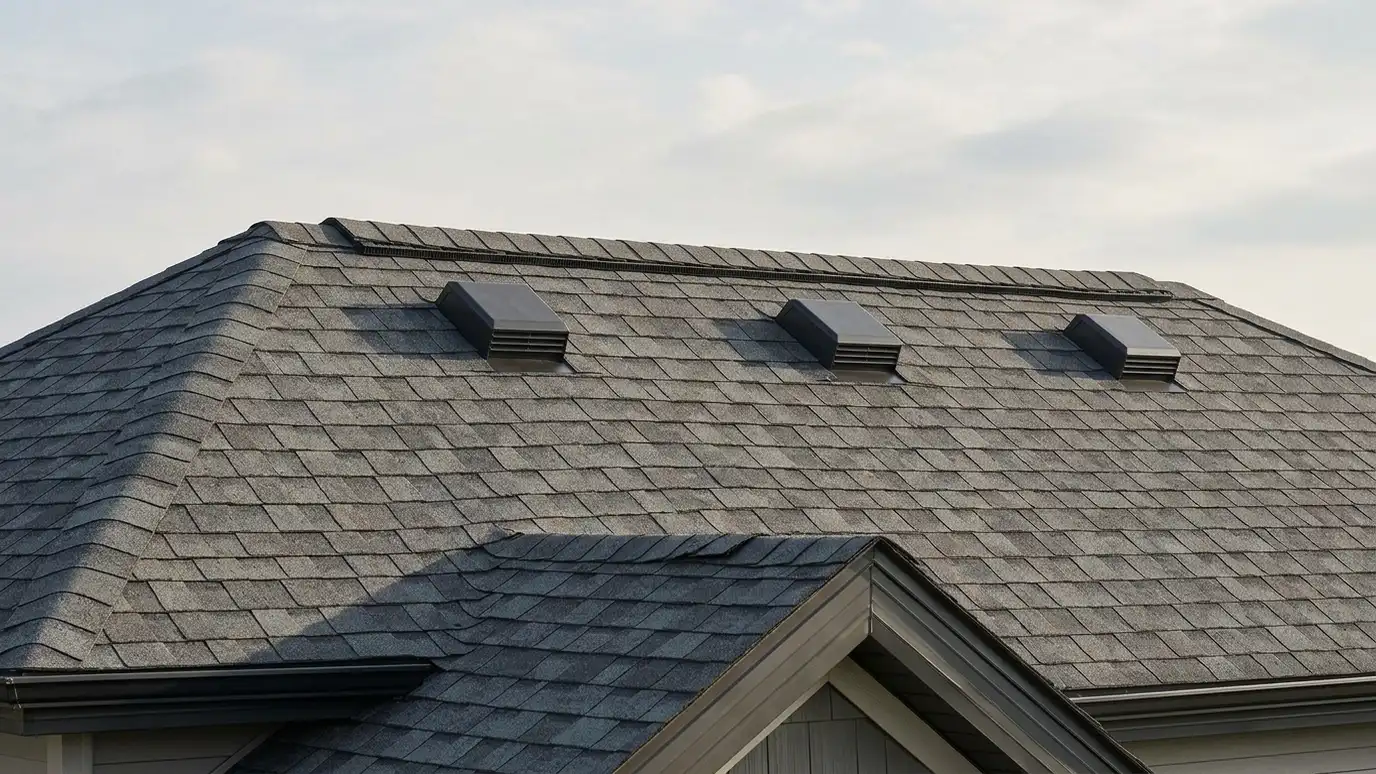
Why attics need air
Hot summers and cold winters stress attics. Ventilation moves heat and moisture out and brings in cooler air.
Poor ventilation can shorten shingle life and cause rot.
Balanced systems are the goal.
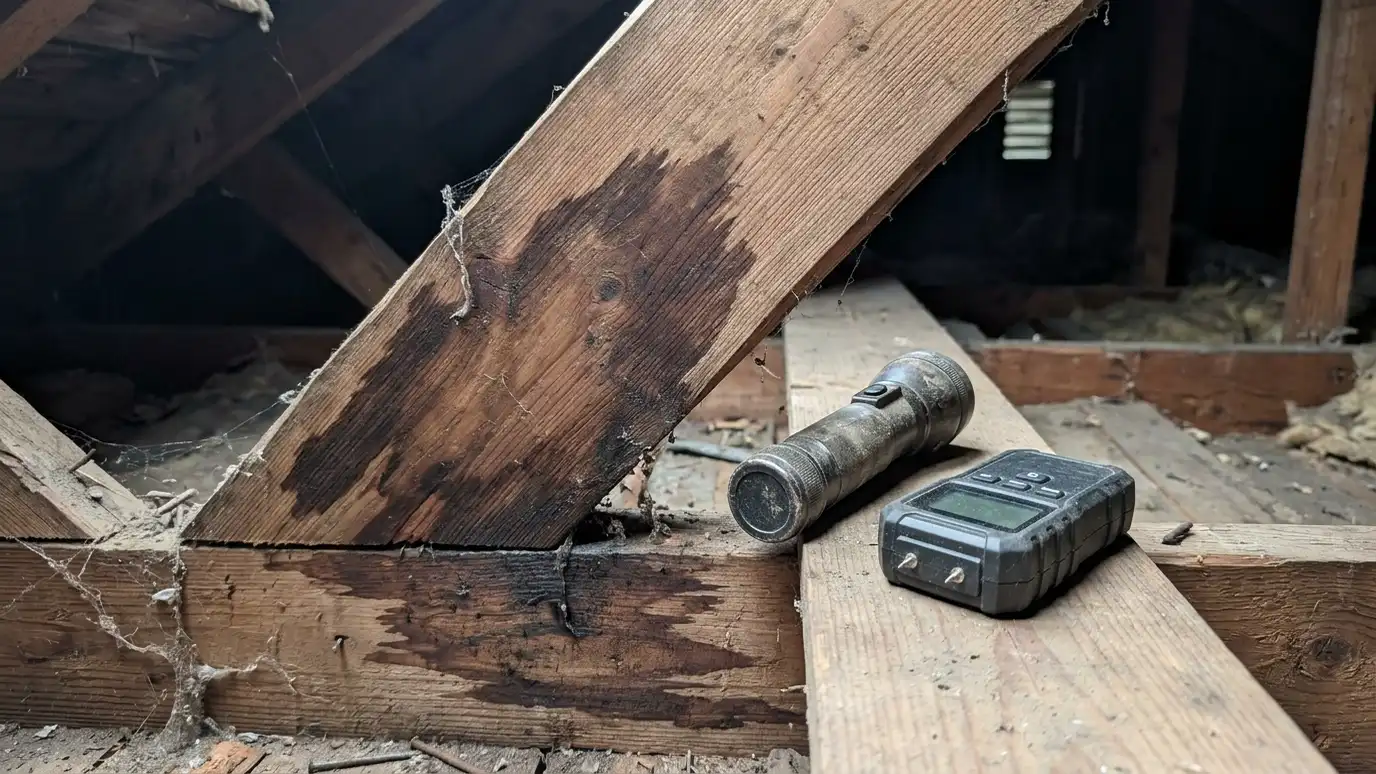
Look at your attic from the access hatch with a flashlight. Check for insulation piled against the eaves, blocked soffits and signs of moisture.
Intake and exhaust
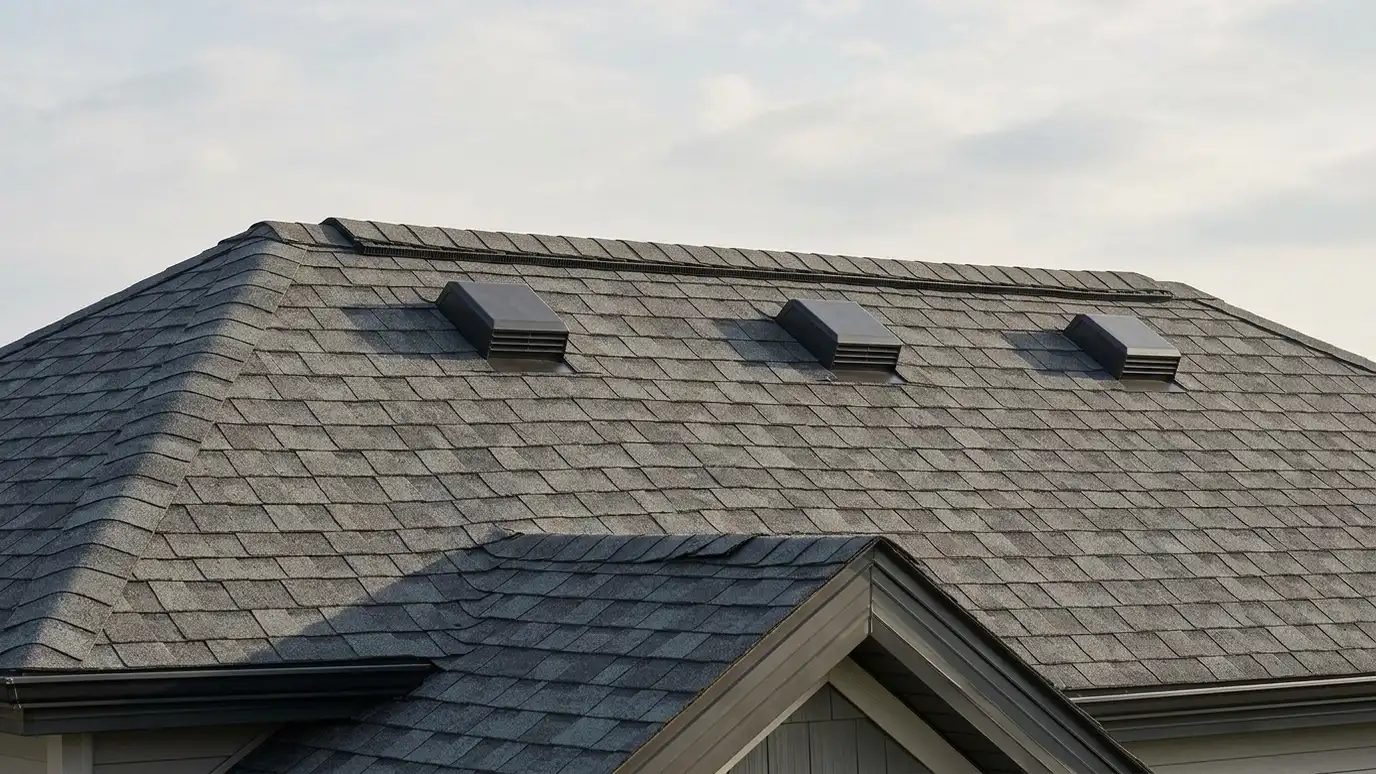
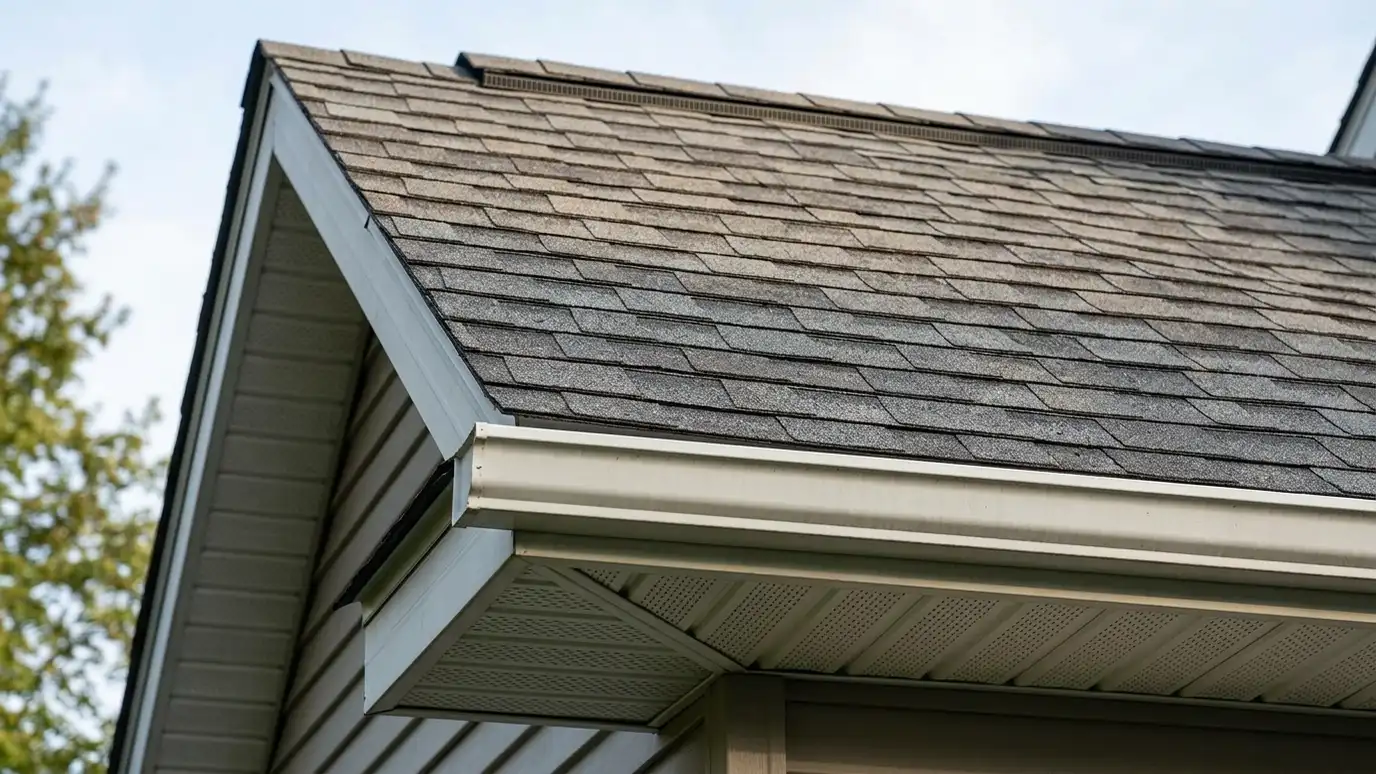
Soffit vents bring air in low. Ridge vents or roof vents let it out high. They work together.
Too much exhaust without intake can pull conditioned air from the house.
Blocked soffits are a common problem.
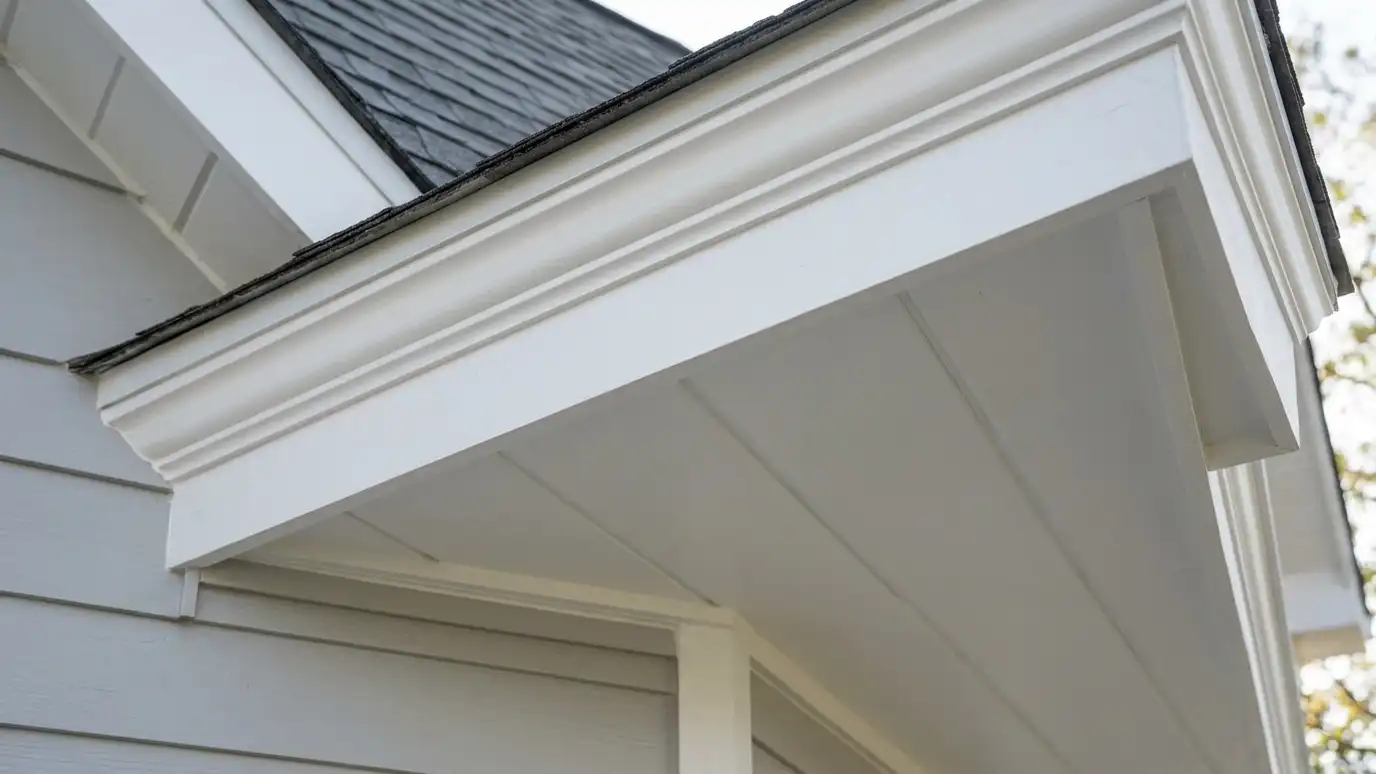
Go outside and look at the soffits. Painted-over or covered vents do not breathe, and clearing them is often the simplest improvement.
Insulation and baffles
Insulation can block soffit vents. Baffles keep air paths open.
Air sealing keeps conditioned air in the living space.
Insulation and ventilation work as a team.
If you have a ridge vent, check that the roof has matching intake. A ridge vent with no intake cannot do its job.
Signs of trouble
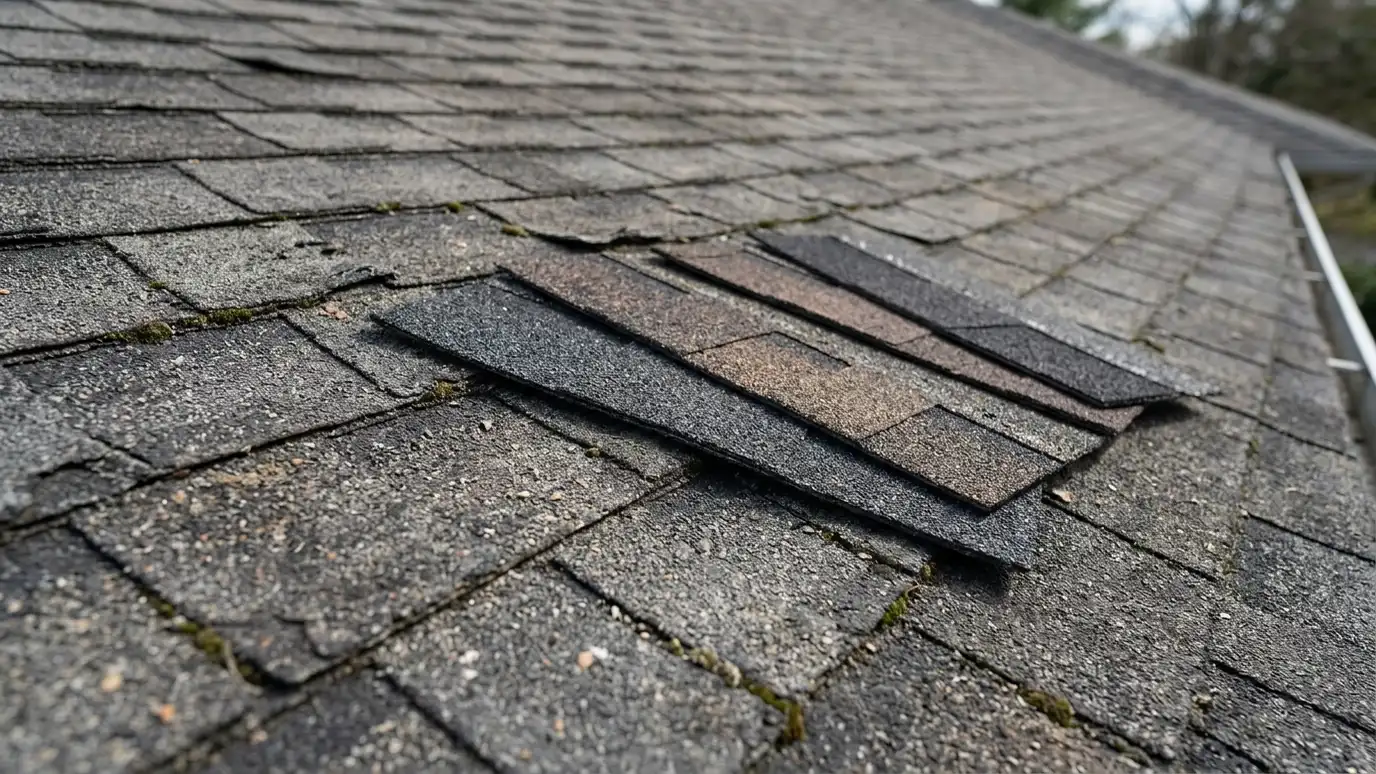
Hot upper floors, frost or damp in winter, mold smells, curling shingles and rusty nails are signs.
Take photos of the attic.
An inspection shows the cause.
Look for rusty nail tips, frost in winter and musty smells. These are clues that moisture is not escaping.
Types of vents
Ridge vents, box vents, gable vents, turbines and powered fans each have uses. Mixing types can disrupt airflow.
A single, balanced system is usually best.
Ask which design fits your roof.
Avoid mixing vent types on one roof. A balanced design from one plan performs better than a collection of unrelated parts.
Upgrading
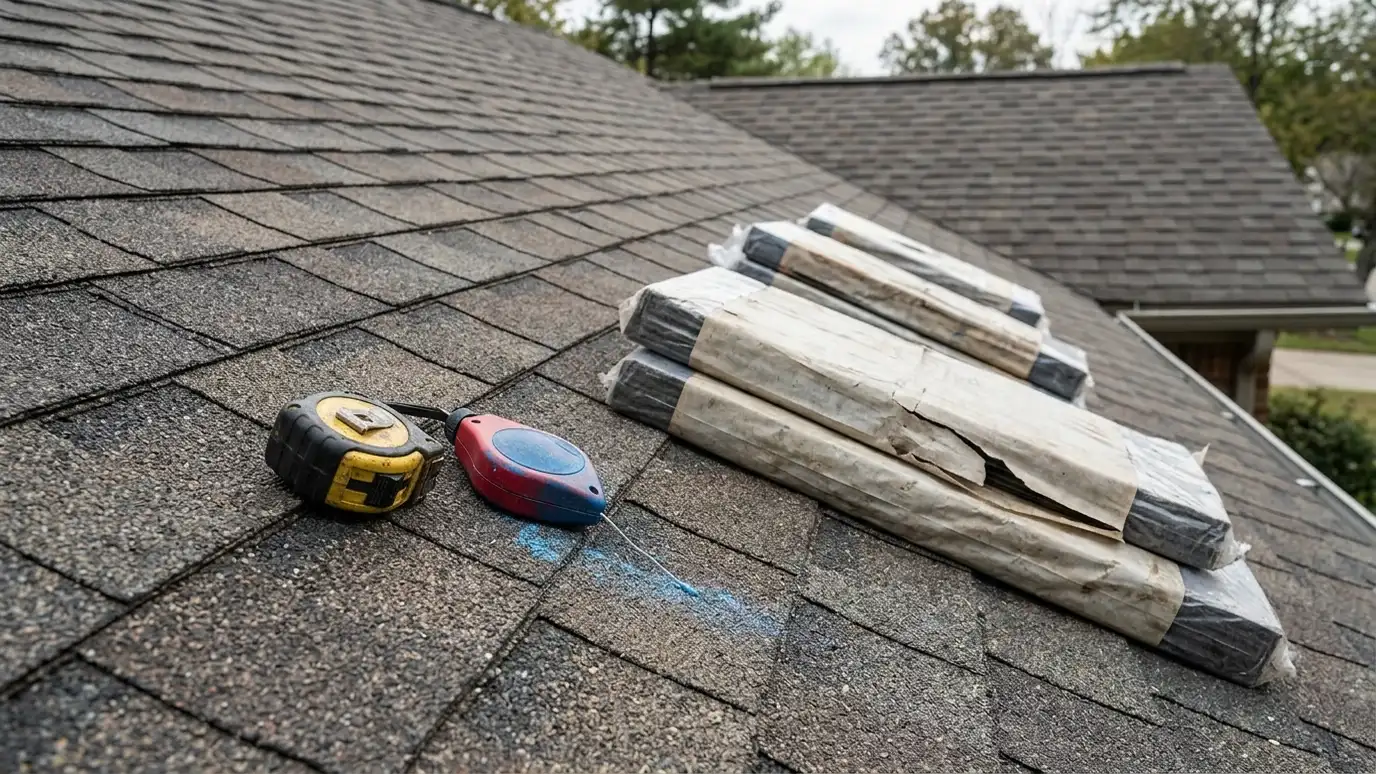
Ventilation can be improved during reroofing or as a separate project. We calculate needs and install matched vents.
Clear soffits and add baffles.
Check the results after installation.
After any change, check the attic again in a season or two. Ventilation upgrades should reduce heat and moisture.
Aim for balanced intake and exhaust, keep insulation from blocking soffits and avoid mixing vent types.