Warning signs
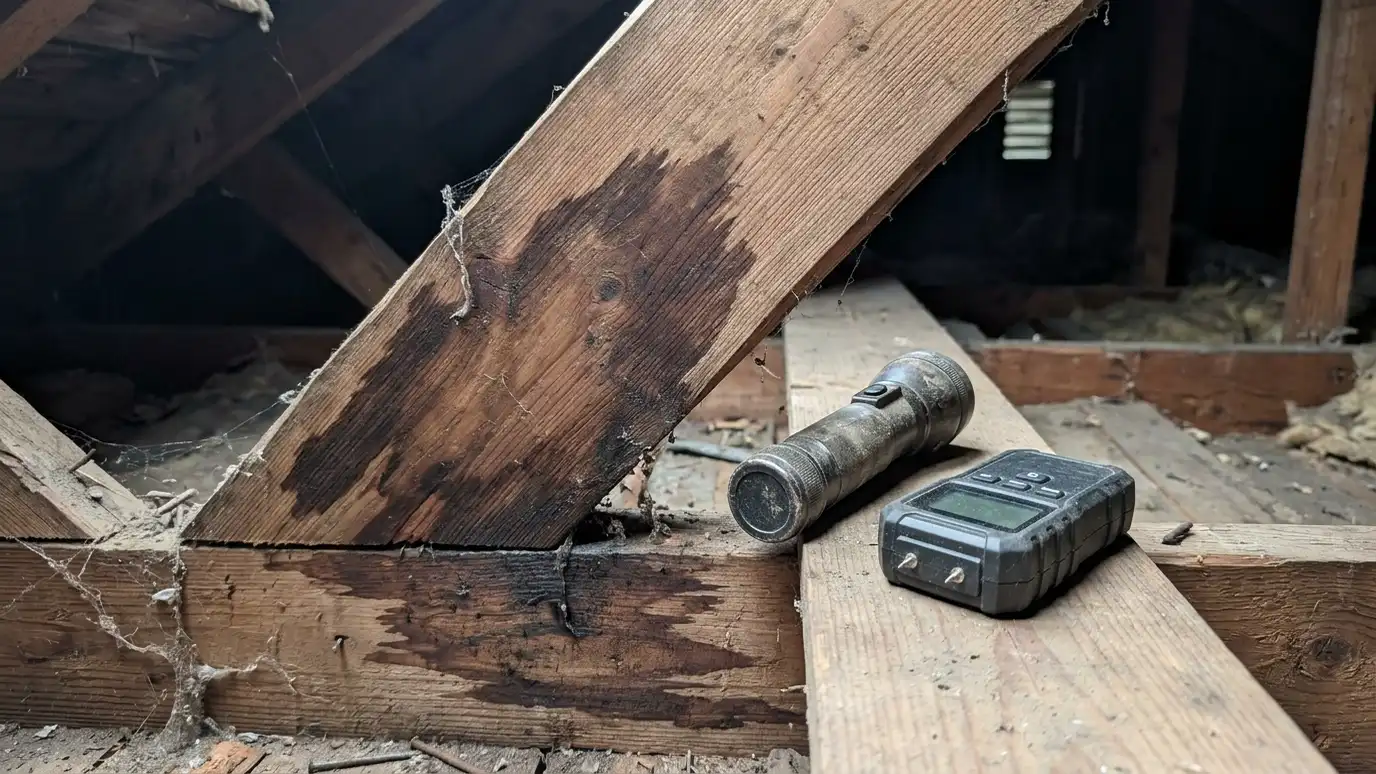
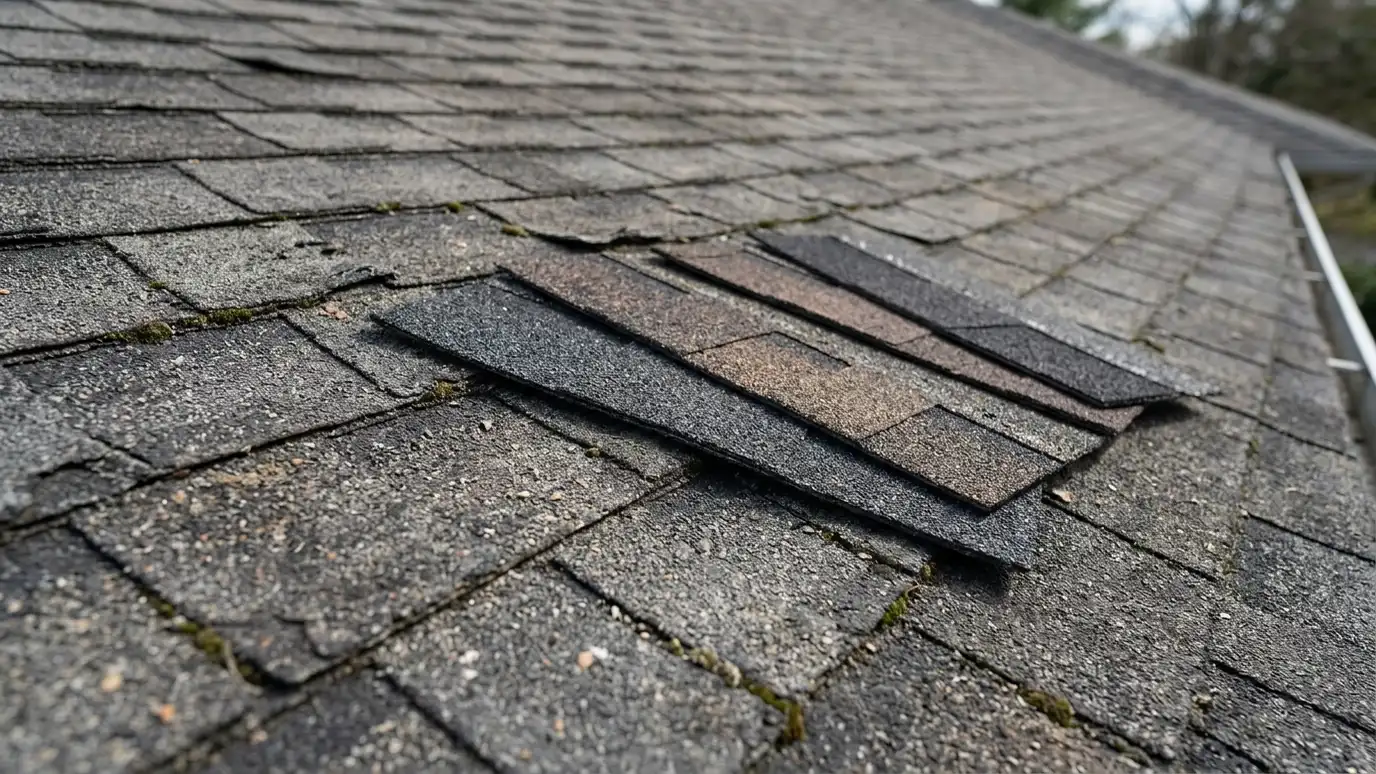
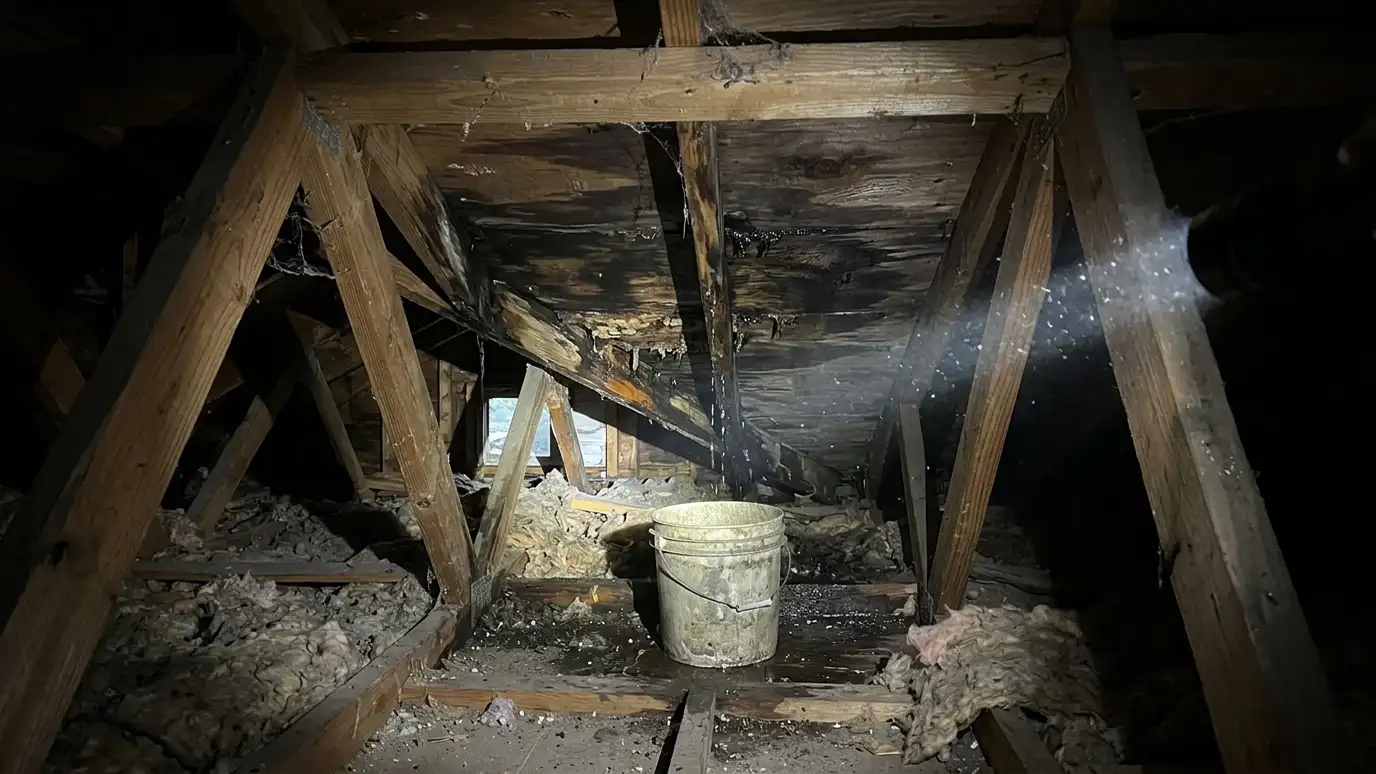
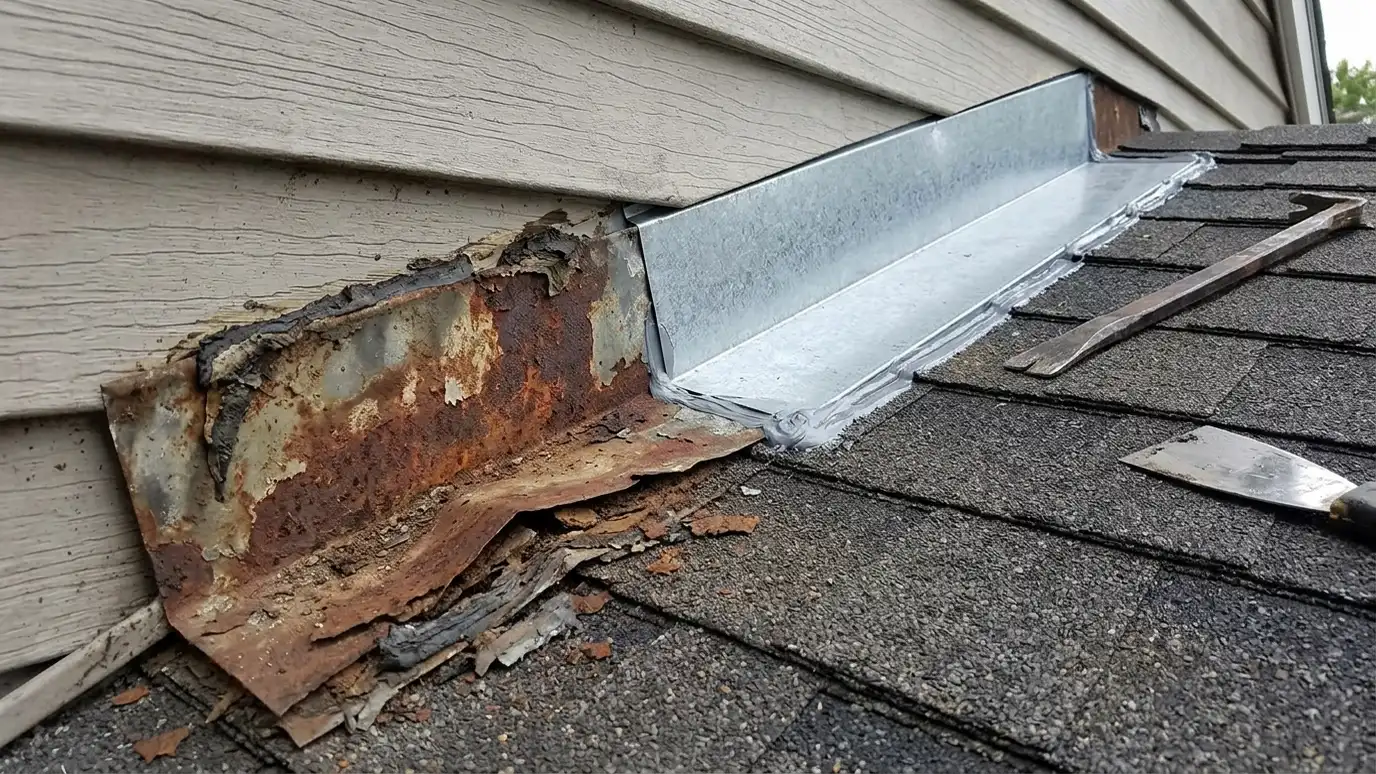
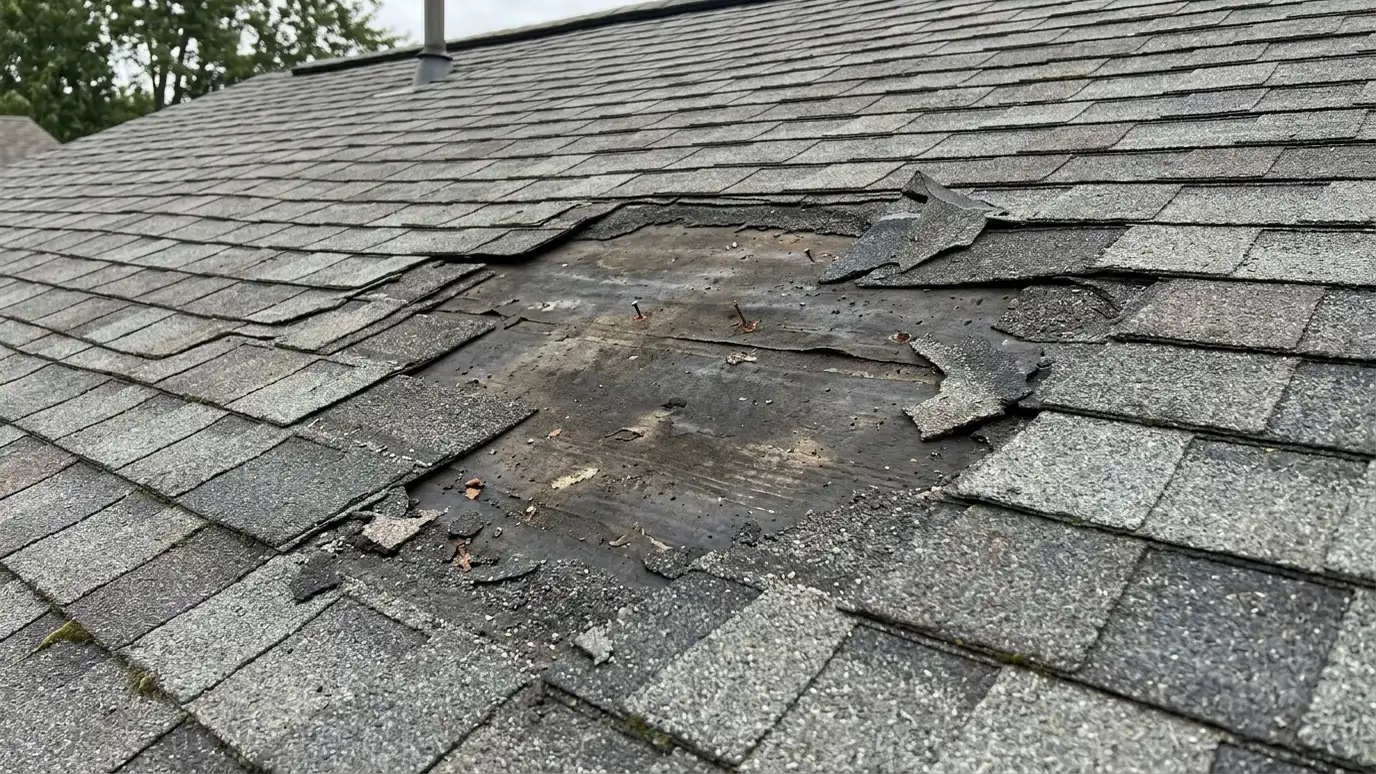
Ceiling stains, damp insulation, shingles in the yard, granules in gutters, rusty flashing and daylight in the attic are common signs.
Take photos with dates so you can track changes.
Active leaks are urgent.
Take photos of any stain from the ceiling and, if safe, of the attic above it. Pictures with dates help a professional trace the problem and track changes.
Common causes
Flashing, pipe boots, missing or lifted shingles, clogged valleys, nail pops and gutter backups cause most leaks.
Several causes often work together.
A repair that ignores the cause fails again.
Write down when the leak appears, whether it happens in heavy rain or with wind and which room is affected. Those clues narrow the search.
Small repairs
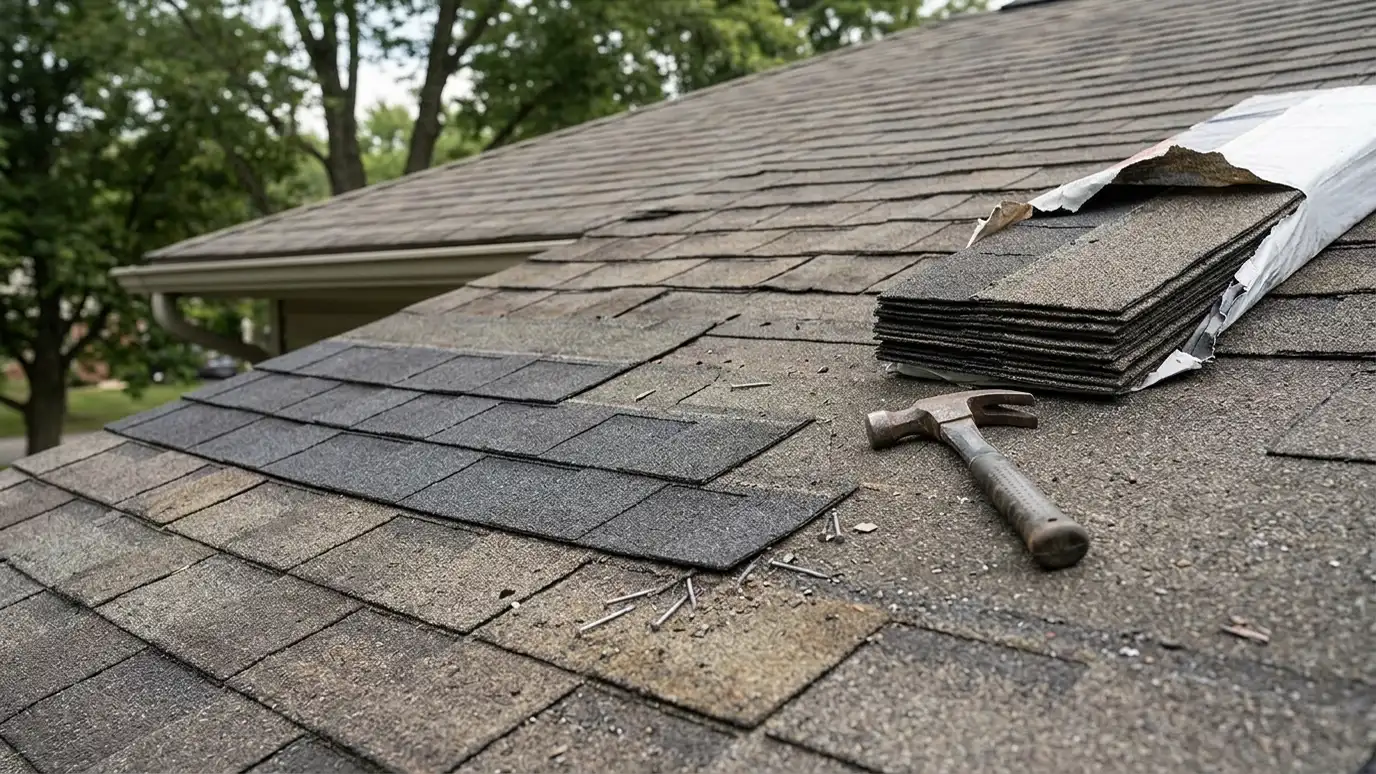
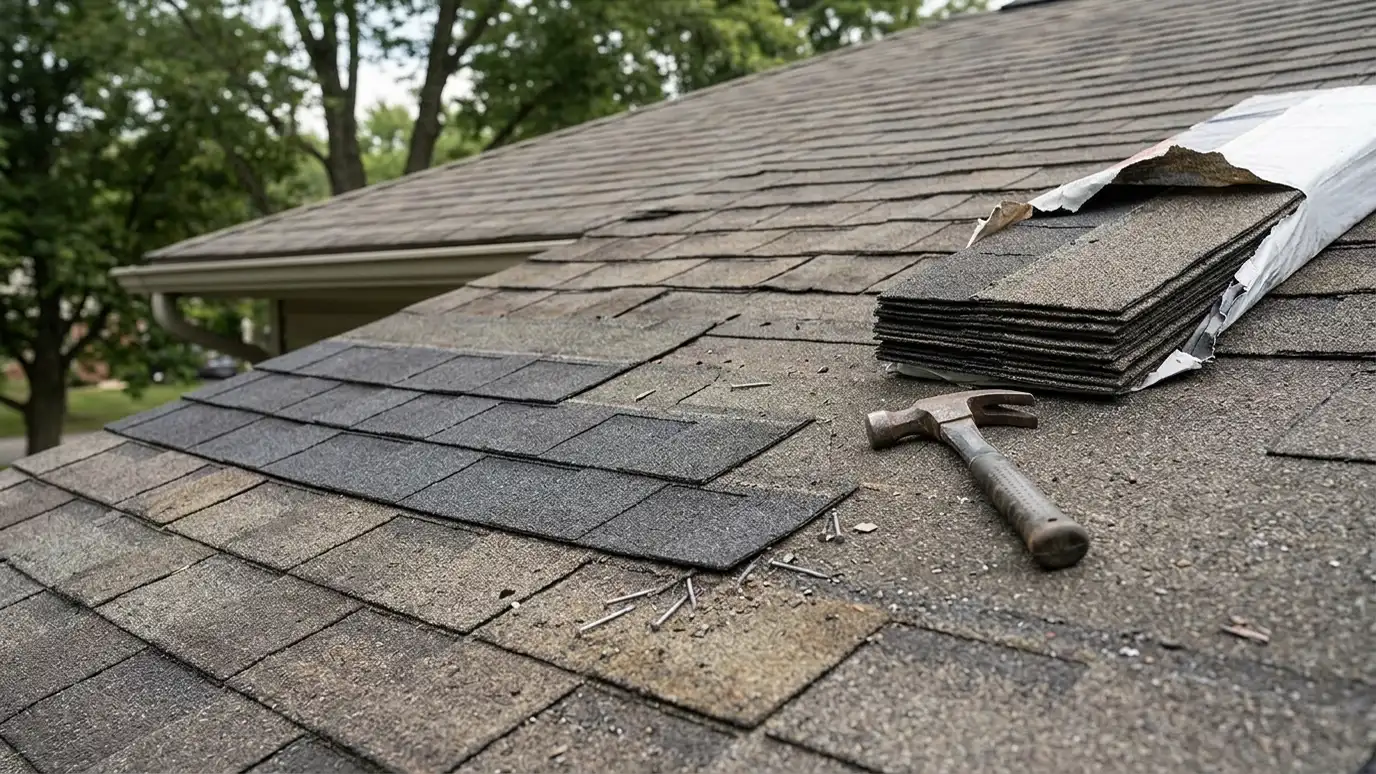
Replacing a few shingles, a pipe boot or a section of flashing is often quick. Clearing debris from valleys and gutters helps immediately.
Cosmetic issues can wait, but water entry cannot.
A professional can tell which is which.
Try the simple steps first. Clear gutters and valleys, move belongings away from the stain and place a bucket under drips. These steps limit damage while you wait for help.
Bigger repairs
Valley rebuilds, decking replacement, chimney reflashing and section replacement take more time and care.
These repairs often involve removing roofing to see what is underneath.
They can extend life when the rest of the roof is sound.
Ask the contractor to explain how a repair differs from a patch. Replacing flashing and boots is a repair. Spreading sealant over a problem is a temporary measure.
When repair is not enough
Widespread curling, granule loss, repeated leaks and soft decking suggest that replacement is wiser.
Keep repair records, since they help you decide.
Ask for honest explanations.
Keep a file with photos, repair notes and dates. It helps you decide when repairs are no longer worthwhile and supports conversations with buyers, insurers and future contractors.
Prevention
Check gutters and valleys in spring and fall, trim overhanging branches and look at the roof from the ground after storms.
Schedule an annual inspection.
Keep records of repairs and photos.
Schedule an annual check and a post-storm check. Small items found early cost far less than the interior damage that follows a missed leak.
Find the cause before choosing the fix, and treat active leaks and storm damage as urgent.