
Spring checks
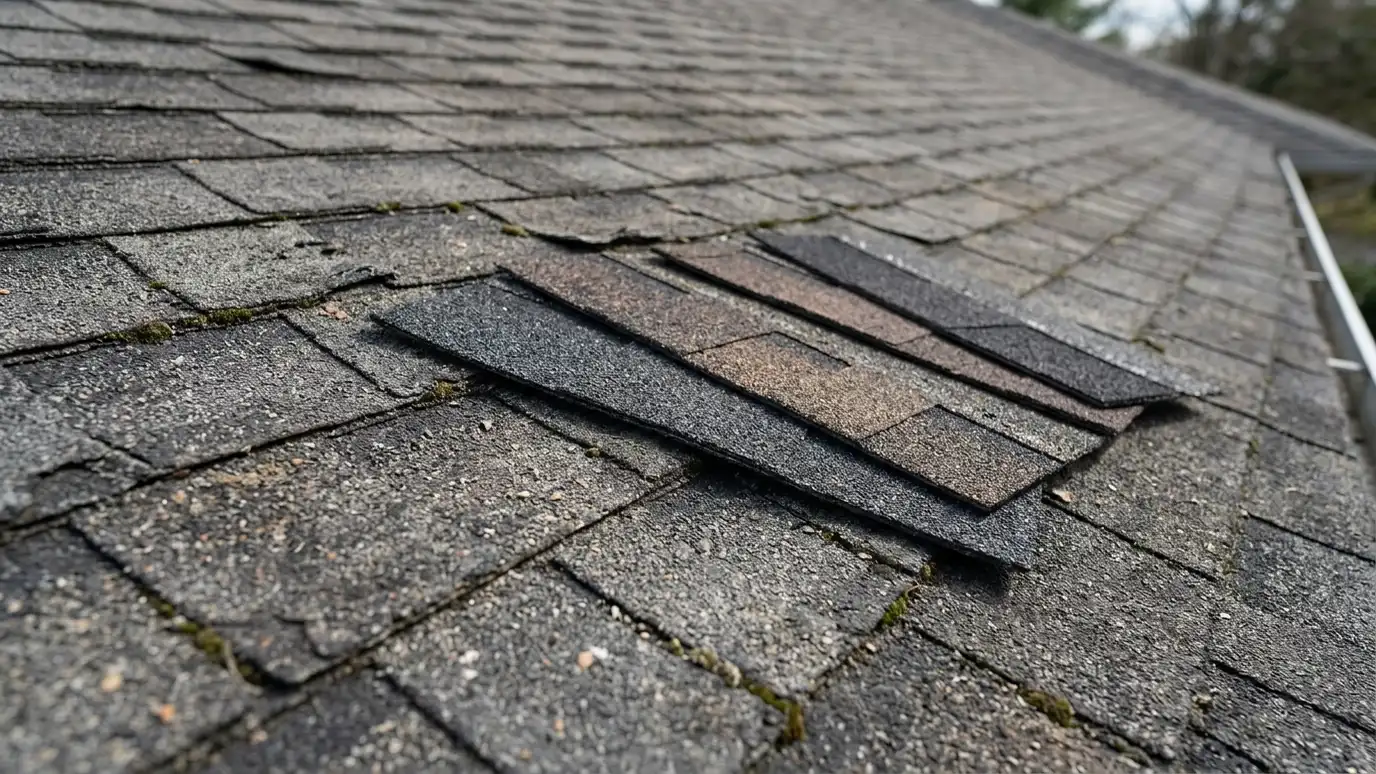
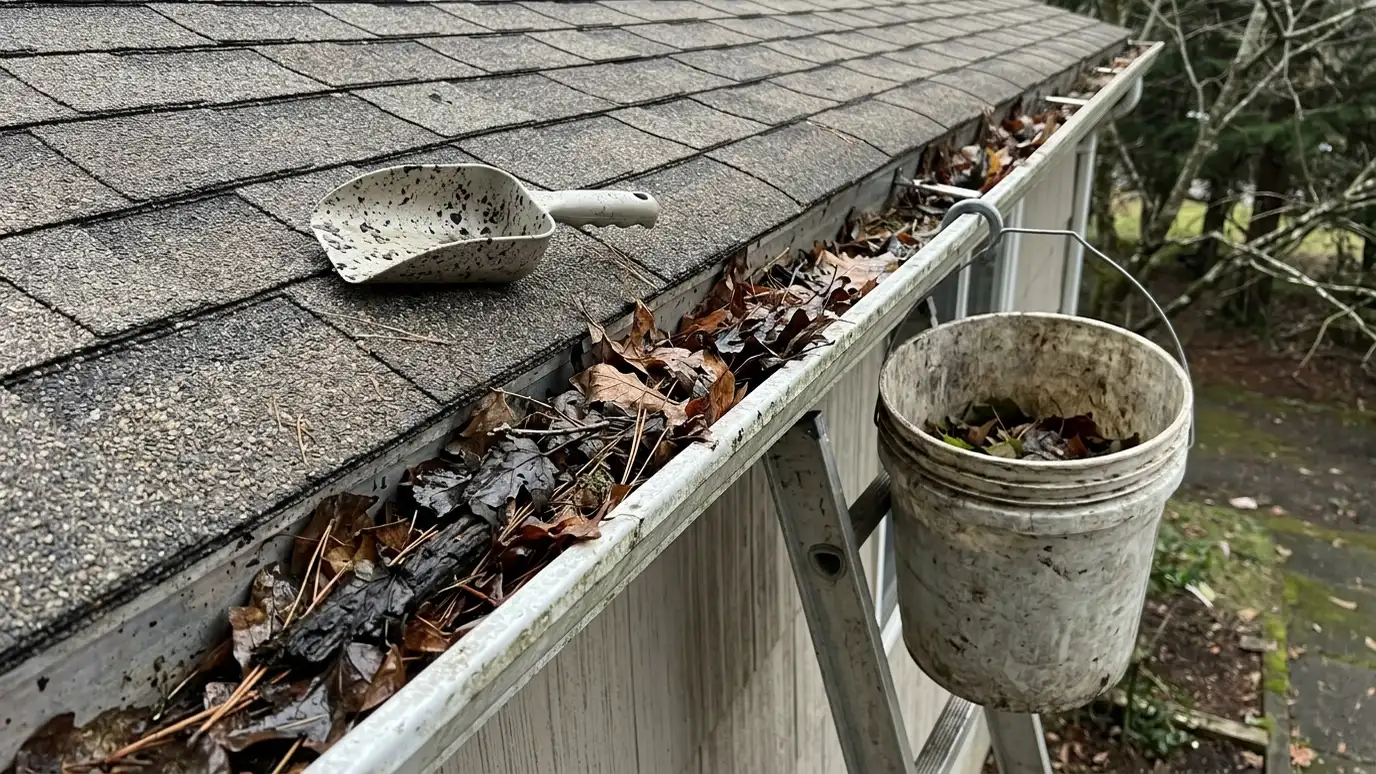
After winter and spring storms, look from the ground for missing shingles, lifted edges and debris. Clear gutters and valleys.
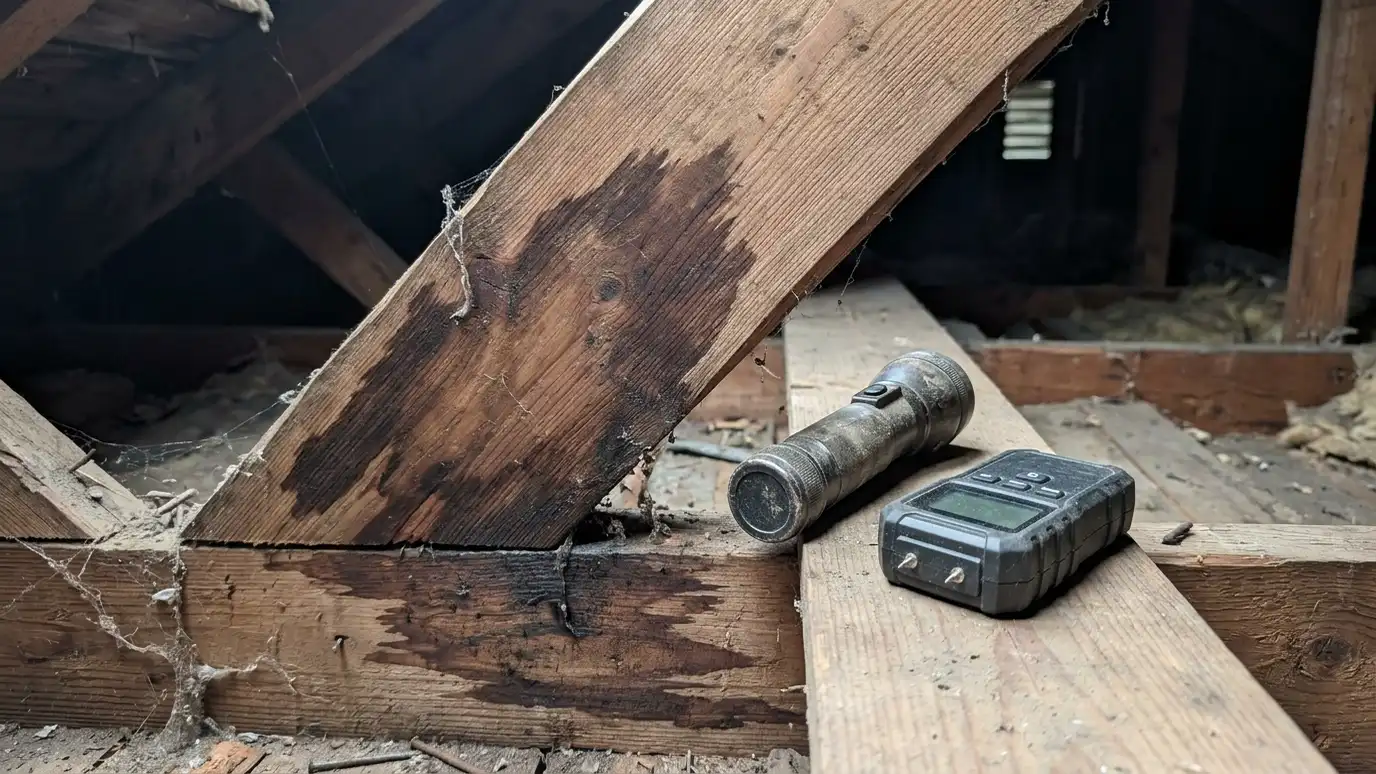
Check for stains in the attic and ceilings.
Trim branches that touch the roof.
Keep a ladder-free routine: walk around the house each season with binoculars and a phone, and look for anything different from last time.
Summer care
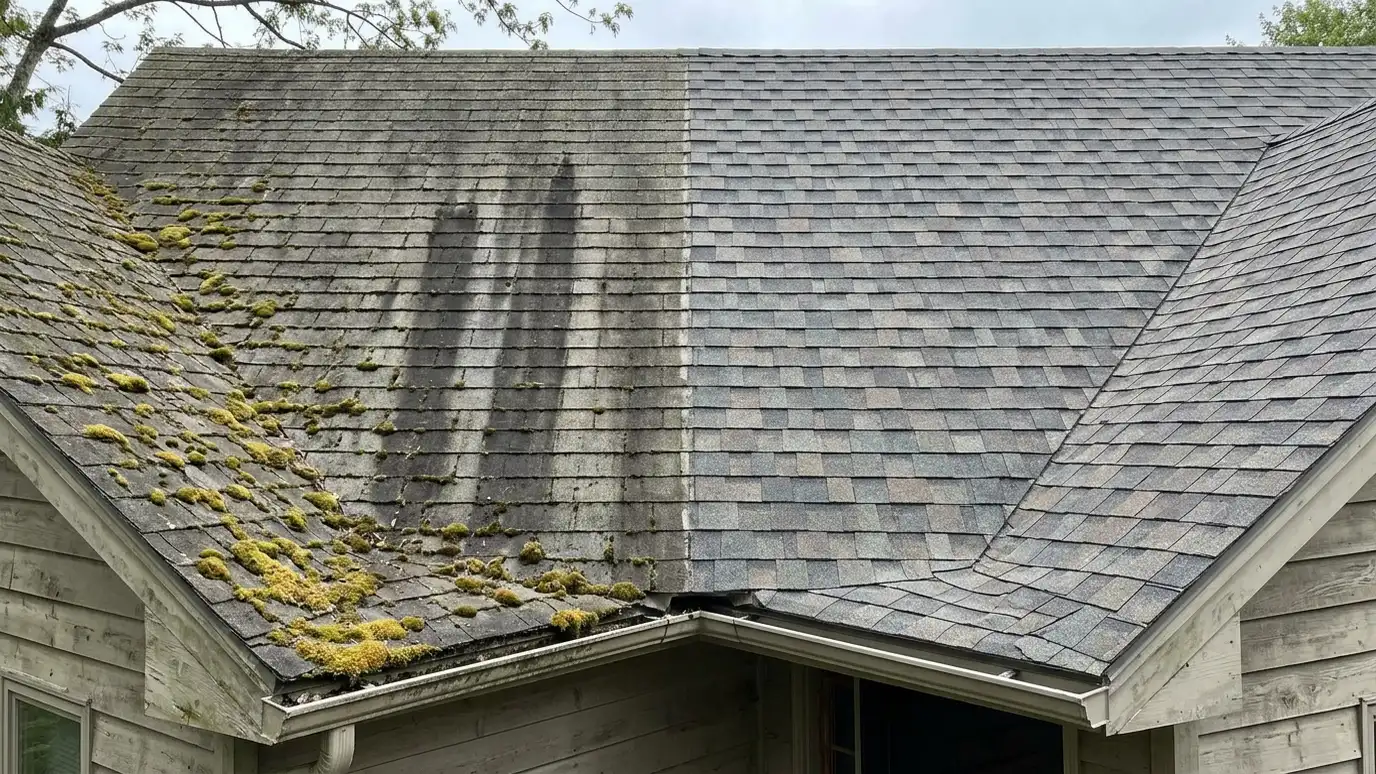
Watch for heat damage, algae streaks and moss in shaded areas. Check ventilation.
Keep gutters flowing after storms.
Schedule repairs before fall.
Trim branches that touch the roof and remove debris from valleys and gutters. These simple tasks reduce wear and moisture problems.
Fall tasks
Clear leaves from gutters, valleys and downspouts before heavy rains. Check flashing and boots.
Inspect chimney caps and vents.
Book an inspection before winter.
Check attic insulation and vents each fall. Make sure insulation is not blocking soffits and that nothing is stacked against the vents.
Winter and storms
After wind, ice or hail, look for new damage from the ground. Avoid walking on icy roofs.
Remove heavy snow carefully from the ground only if it is safe.
Call for emergency help if leaks appear.
After hail, wind or ice, check soft metals and gutters for dents and damage. They show what the roof may have experienced.
Warning signs
Stains, granules in gutters, curling shingles, rust on flashing and daylight in the attic need attention.
Photograph changes with dates.
Call for an inspection when something looks different.
Take dated photos of anything unusual and send them to your roofer. A quick look can tell you whether something needs attention.
Keep a log
Write down inspections, repairs and storms. A simple log shows patterns and supports decisions.
Keep contractor reports with it.
Share it with future owners.
Share your maintenance log with future owners. It shows care and can make a home sale smoother.
Keep gutters and valleys clear, look at your roof from the ground each season and call for help when something changes.