What gutters do
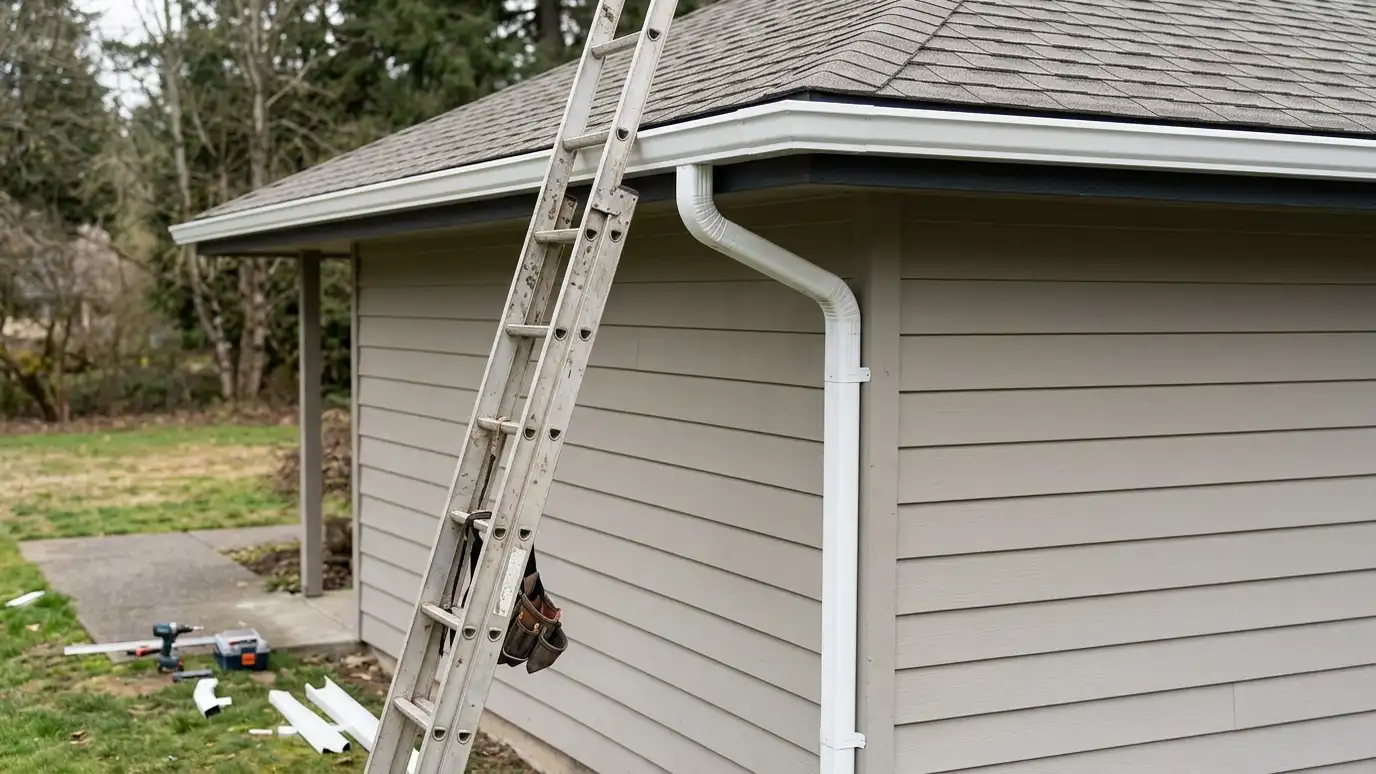
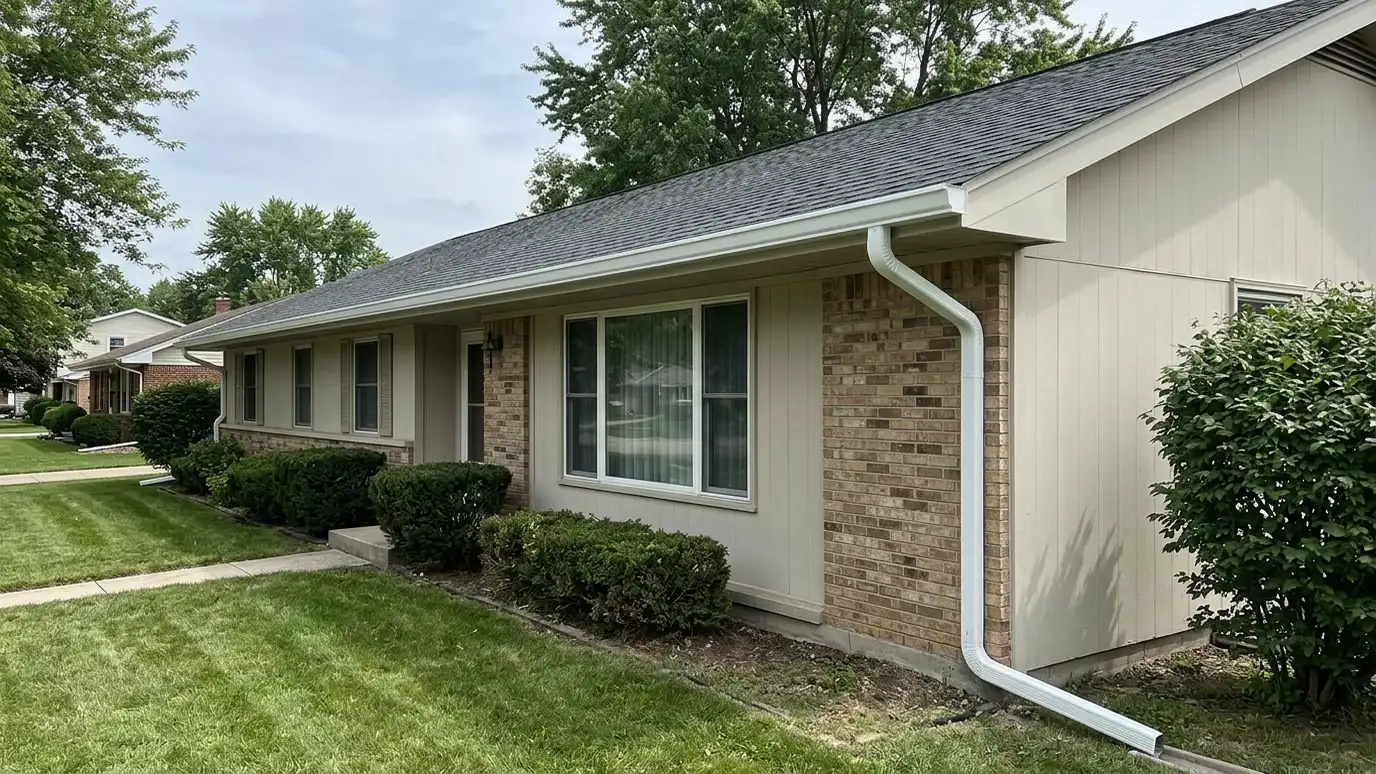
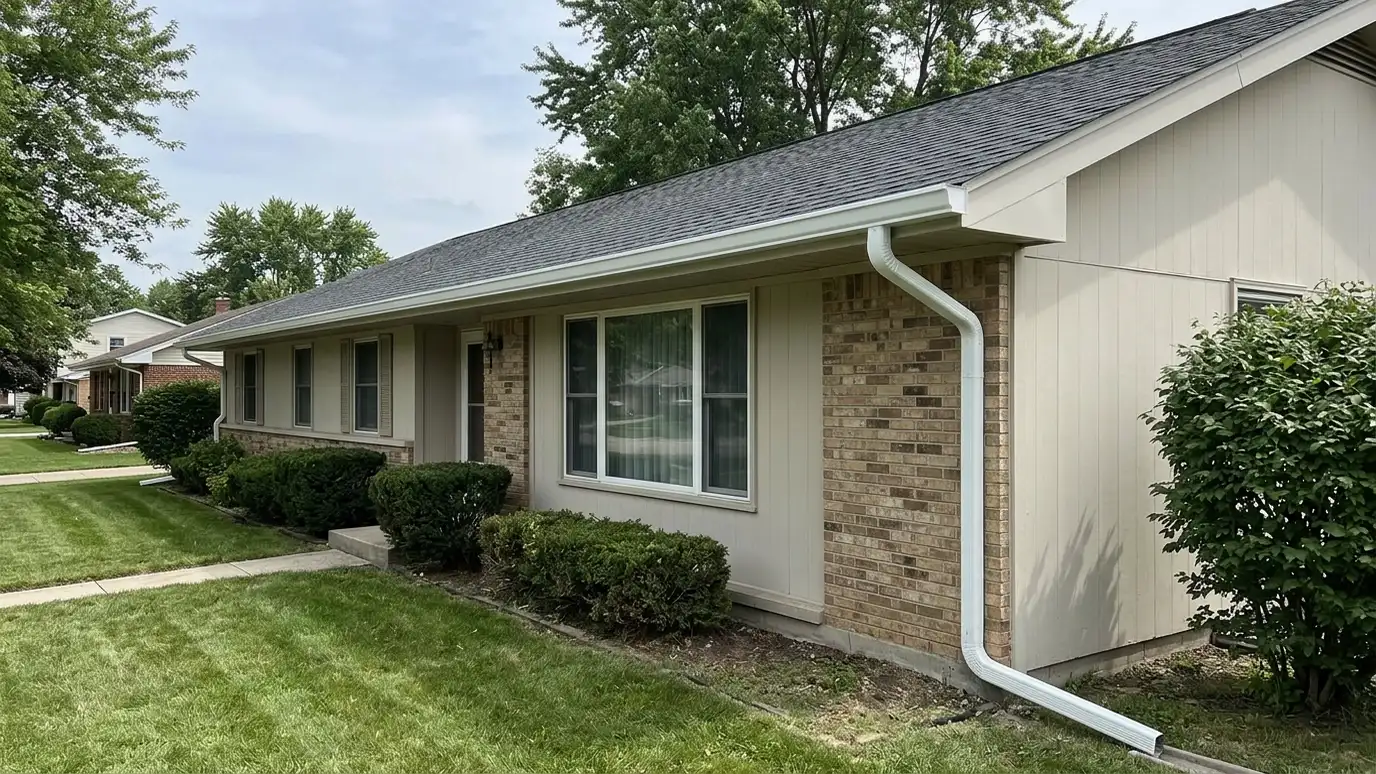
Gutters catch roof water and carry it to downspouts, protecting siding, landscaping and foundations.
Without them, water splashes, erodes soil and soaks walls.
Good gutters are sized and pitched for the roof.
Watch your gutters during a heavy rain. Where water spills over shows you where capacity, clogs or pitch need attention.
Size and type
Five inch K-style is common. Six inch and larger gutters handle bigger roofs and heavy rain. Half-round suits historic homes.
Valleys that funnel water may need extra capacity.
Ask how size was chosen.
Ask for samples of gutter profiles and colors, and hold them against your fascia and trim. Small details change how gutters look.
Materials
Aluminum is lightweight and rust-resistant. Steel is strong, and copper is long-lived and decorative.
Seamless gutters have fewer joints.
Colors can match trim and siding.
Look at the ground under each downspout. Erosion, standing water and stained siding show where water is going the wrong way.
Guards
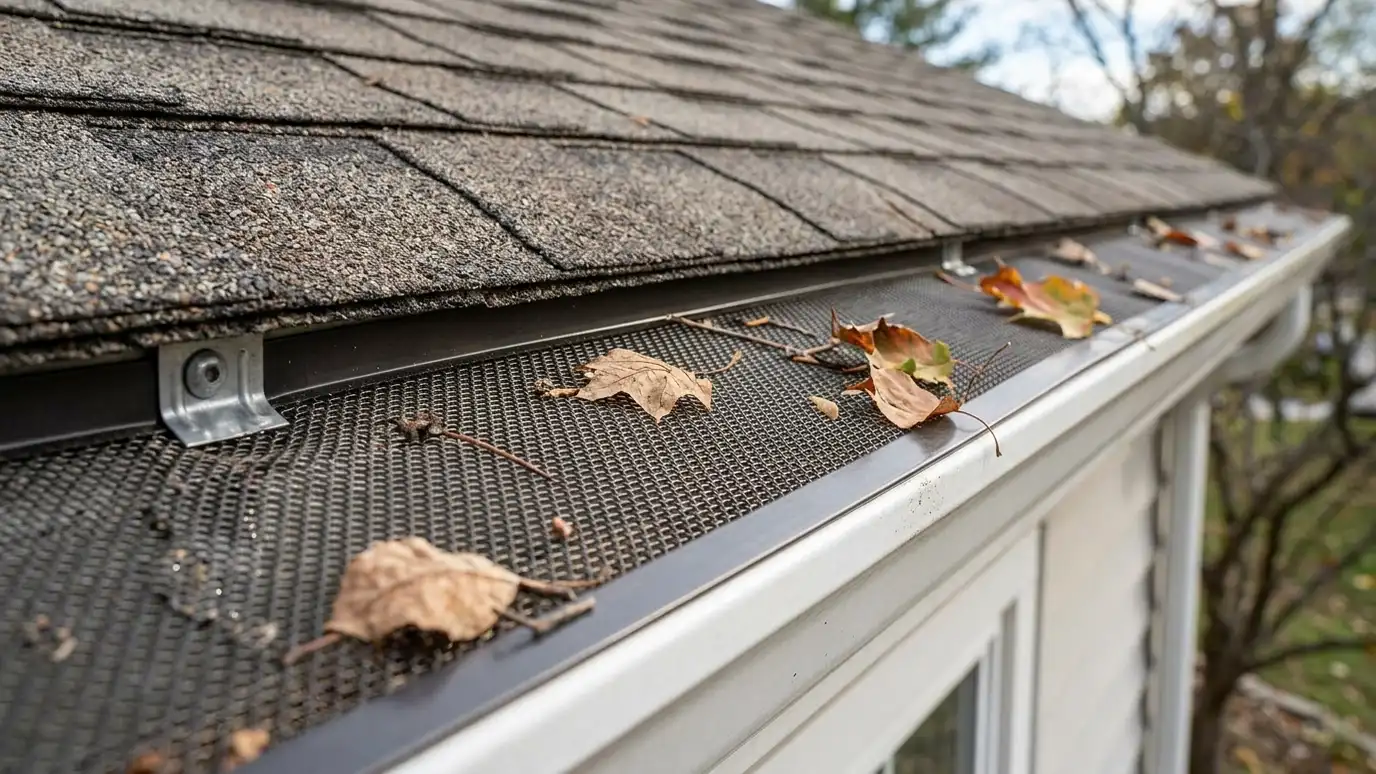
Mesh, screen and reverse-curve guards reduce clogs but do not remove maintenance. Different guards suit different trees.
Choose based on your leaves and needles.
Install on clean, sound gutters.
Choose a guard based on your trees, not on a sales pitch. Ask for a trial section if you are unsure.
Downspouts and drainage
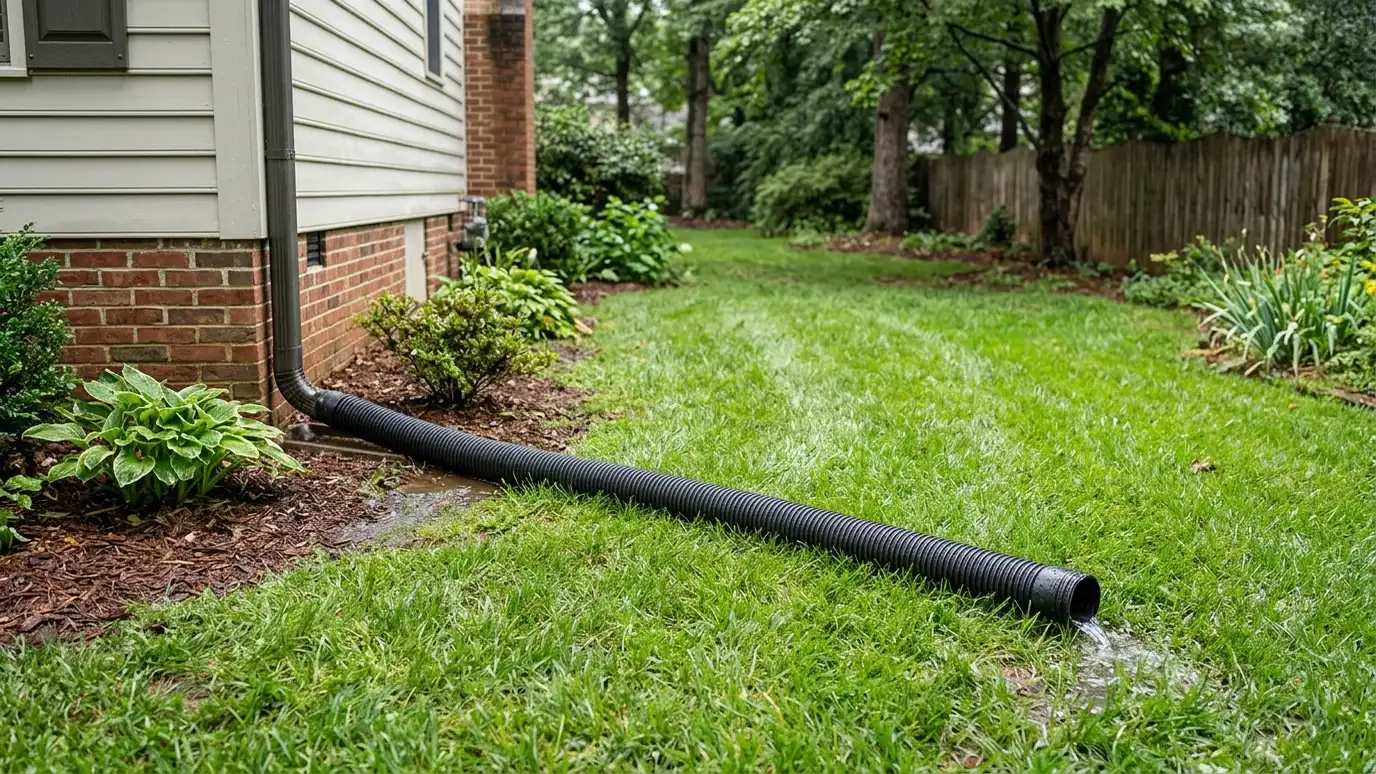
Downspouts need extensions or buried lines that discharge well away from the foundation.
Avoid sending water onto neighbors.
Clear outlets after storms.
Think about the lawn and landscaping when planning extensions and buried lines. The best system fits your yard as well as your roof.
Maintenance
Clean gutters at least twice a year, check hangers and seams and watch for overflow.
Fix fascia rot promptly.
Annual roof checks should include gutters.
Set a calendar reminder to check gutters in spring and fall, and after big storms. Ten minutes of attention prevents expensive repairs.
Size gutters for the roof, carry downspouts well away from the house and keep them clean.