Types of metal roofs
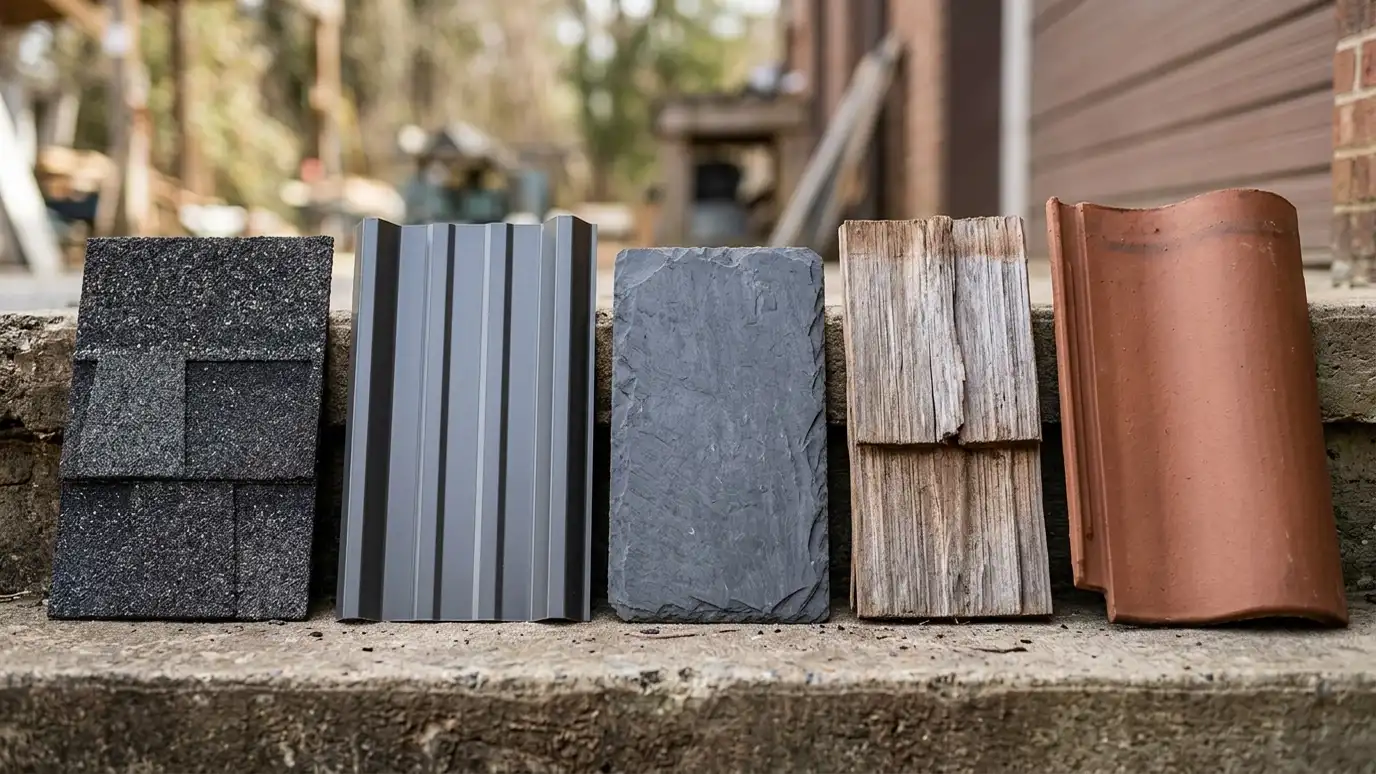
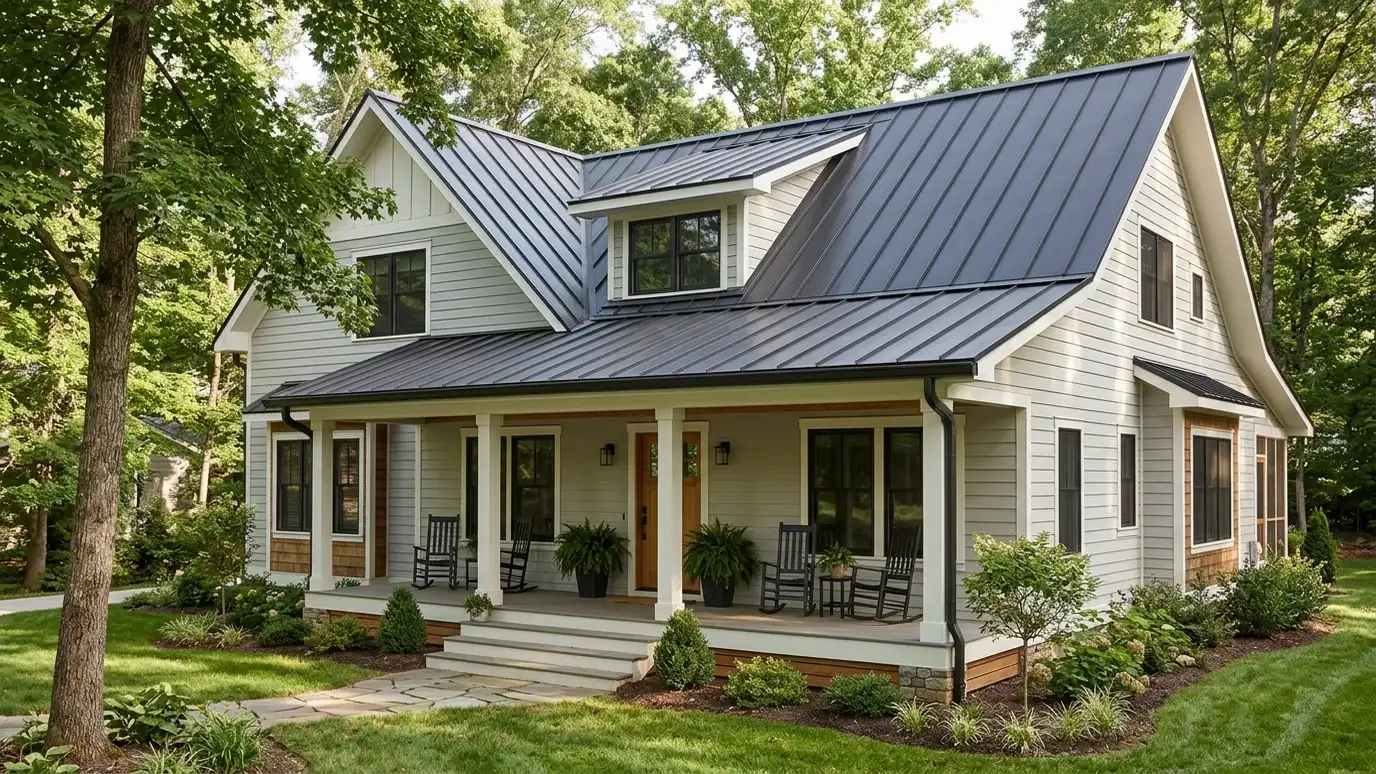
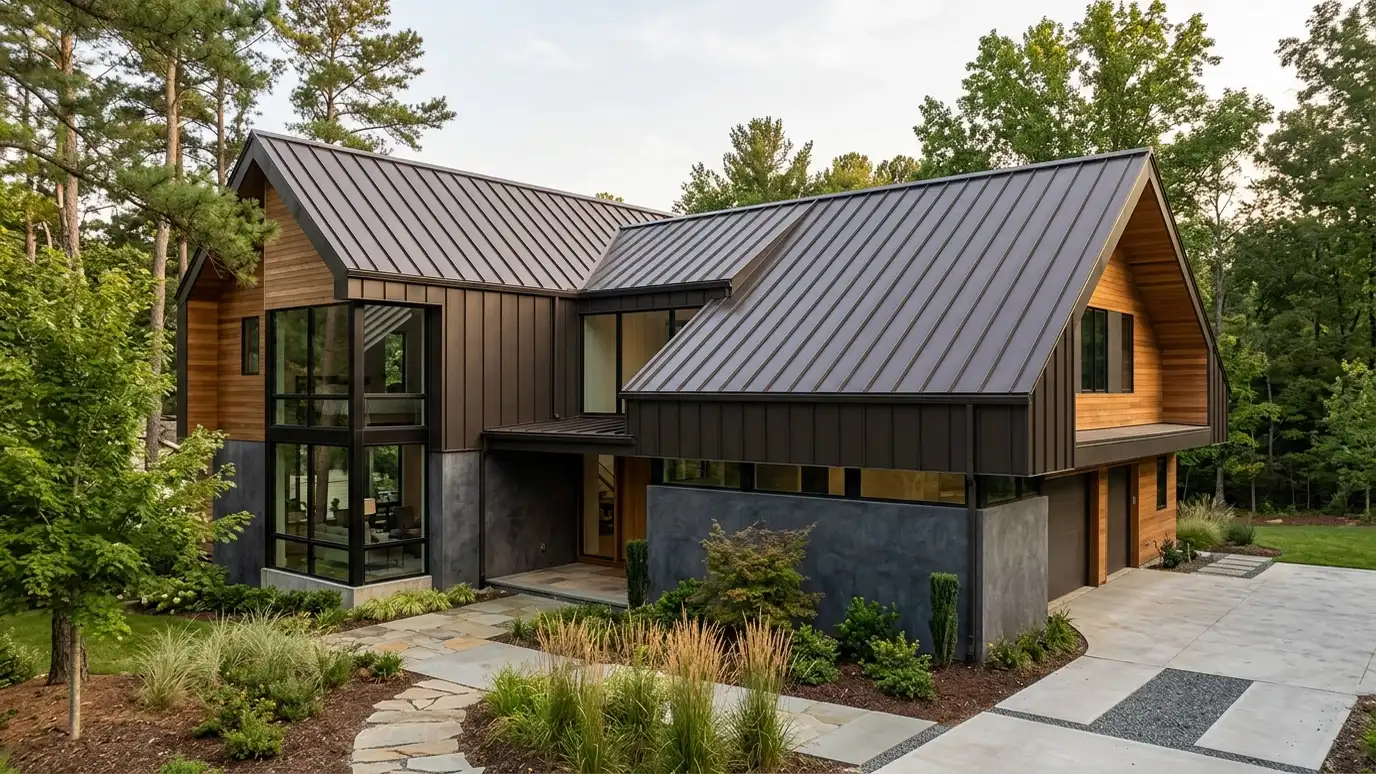
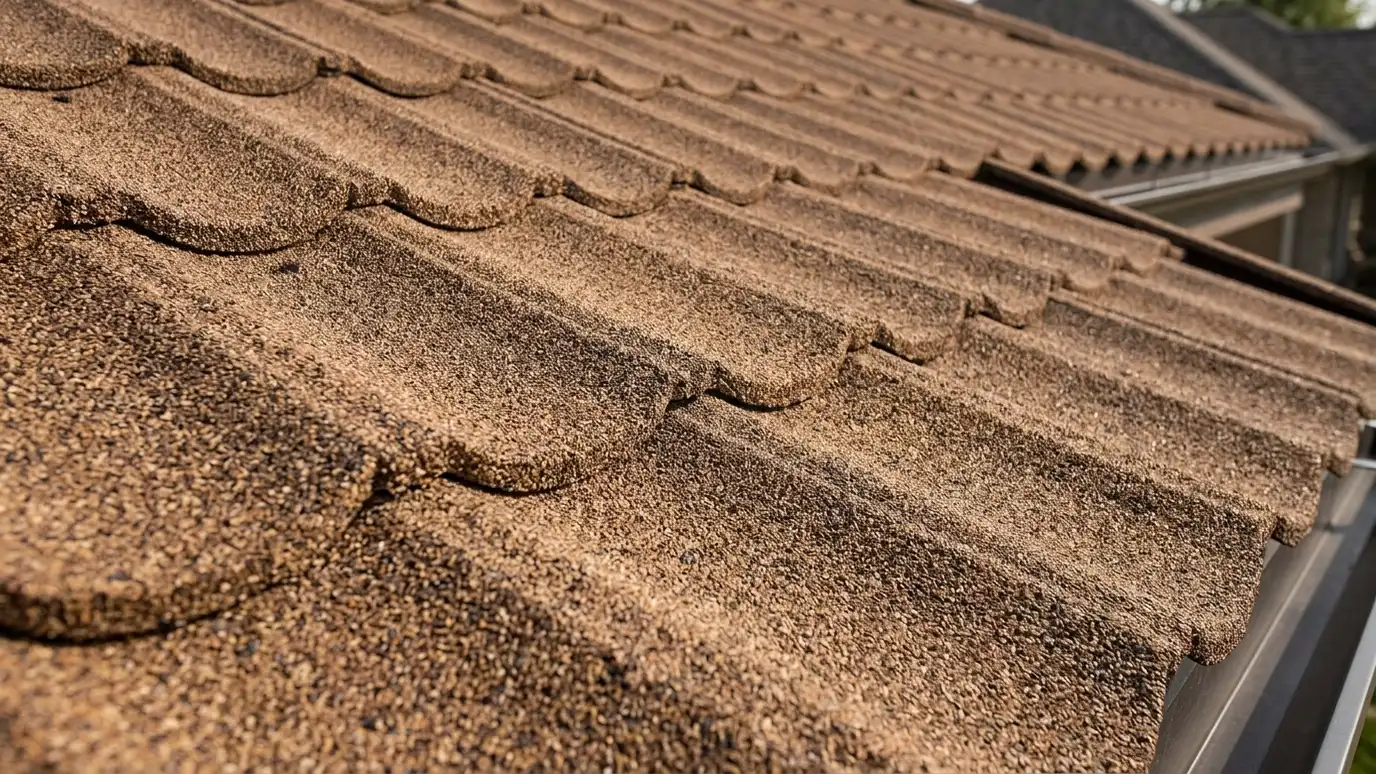
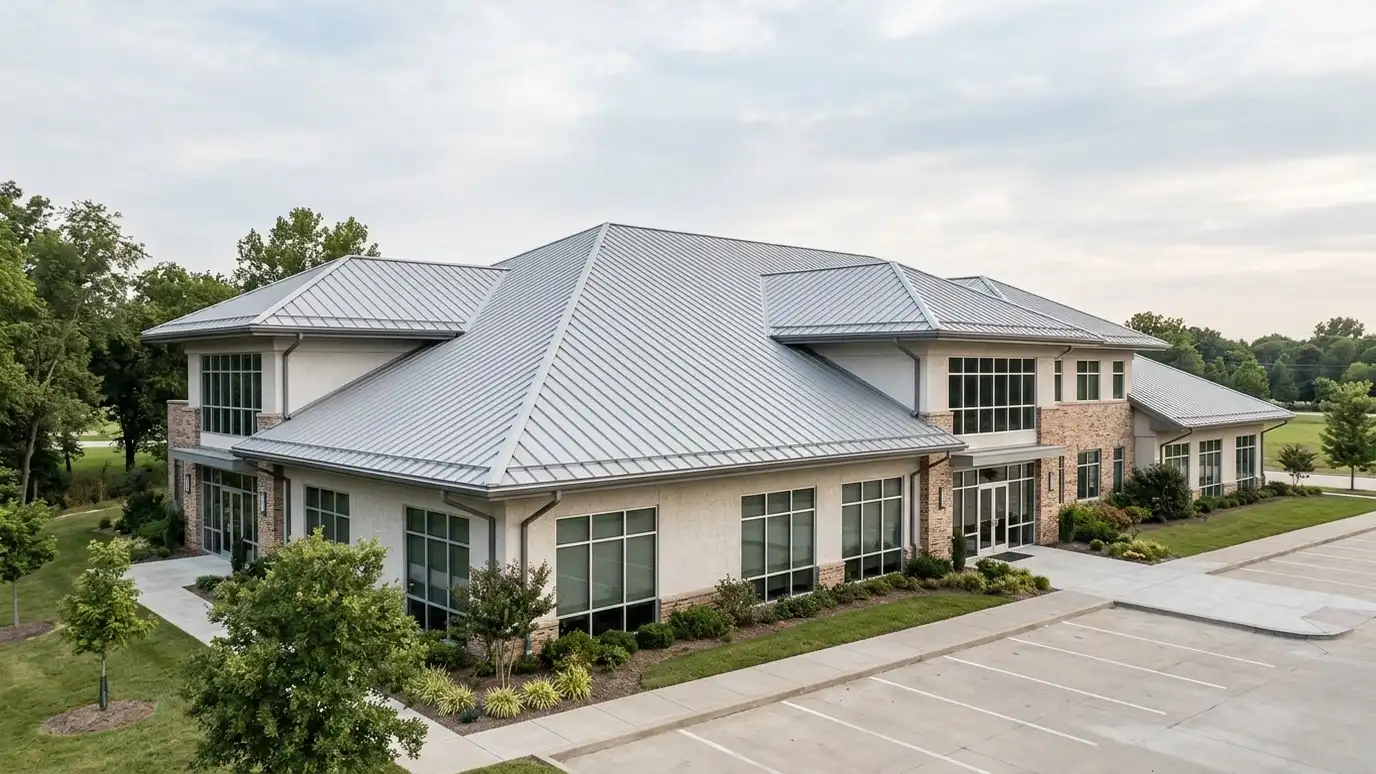
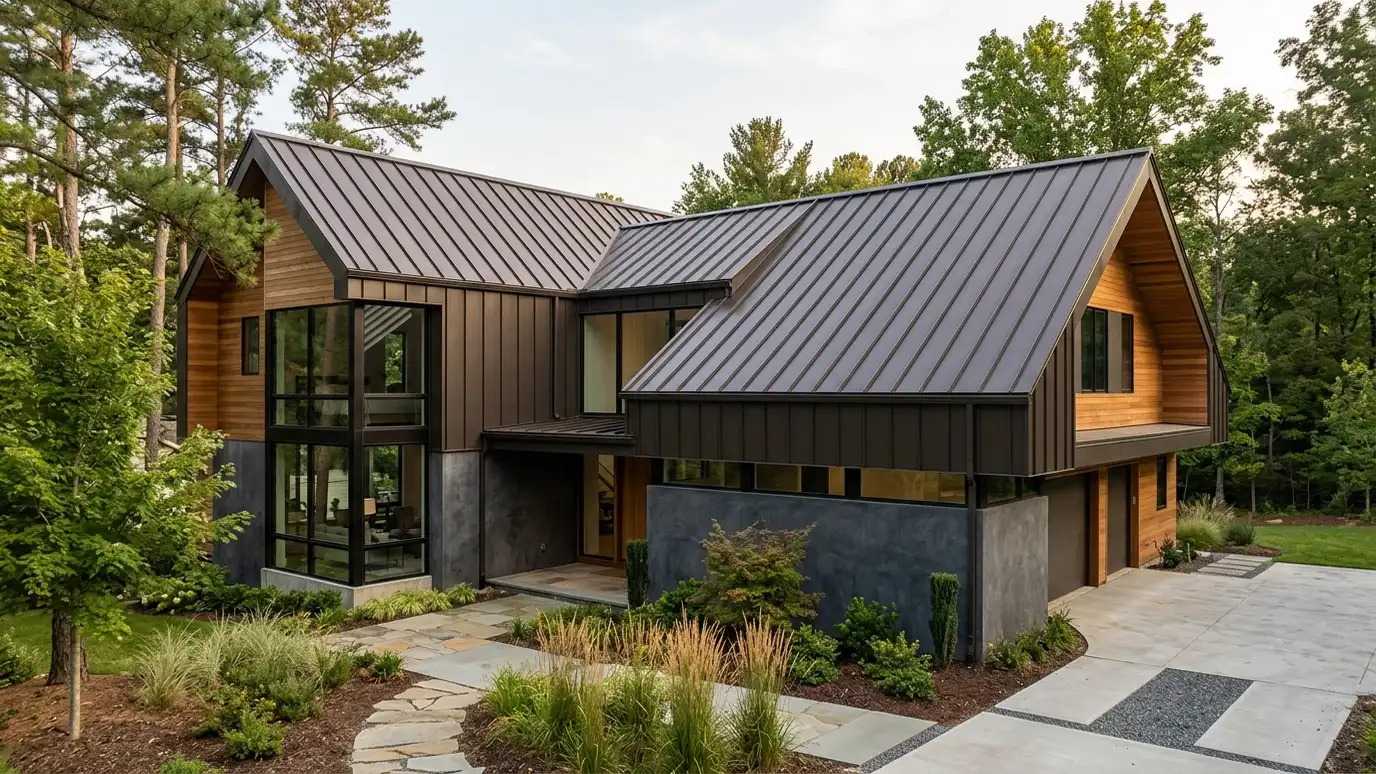
Standing seam hides fasteners and has raised seams. Ribbed panels use exposed fasteners and cost less. Stone-coated steel imitates tile or shake. Metal shingles mimic traditional looks.
Each suits different budgets and styles.
Ask for samples of each profile.
Ask to see a sample panel with the exact finish and color, and hold it outdoors. Metal reflects light differently across the day.
Metals and finishes
Steel and aluminum are common, in coated and painted finishes. Coatings resist fading when properly specified.
Copper and zinc are premium options.
Finish and color affect heat and appearance.
Ask what clips, fasteners and closures are used and why. Quality of small parts matters as much as the panels.
Noise, hail and snow
With solid decking and underlayment, metal is usually comparable in noise to other roofs. Thin panels can dent in large hail.
Snow slides off easily, and snow guards can control it.
Ask about gauge and profile.
If hail is a concern, ask about gauge and profile. Thicker panels and certain shapes resist denting better.
Installation details
Flashing, trim, clips and fasteners decide whether a metal roof stays tight. Thermal movement must be allowed for.
Underlayment suited to metal helps with condensation.
Details at valleys, chimneys and walls matter most.
Look at how the installer plans to treat valleys, chimneys, skylights and walls. These are the places where metal roofs are won or lost.
Metal compared with shingles
Metal often costs more up front and can last longer. Shingles are easier to repair in small sections and are more varied in color.
Both can be installed well or poorly.
Choose based on your priorities.
If you are replacing shingles, ask whether the existing deck will be inspected and repaired, and whether a new underlayment suited to metal will be installed.
Care and maintenance
Metal needs little care. Keep debris off, check fasteners and sealants periodically and avoid walking on panels.
Touch up scratches as recommended.
Annual inspection catches small issues.
Check the roof after the first big storm and then yearly. Look at fasteners, sealants and trim, and keep debris cleared from valleys and gutters.
Pick a metal profile you like, ask how details will be handled and insist on installation that allows for movement.