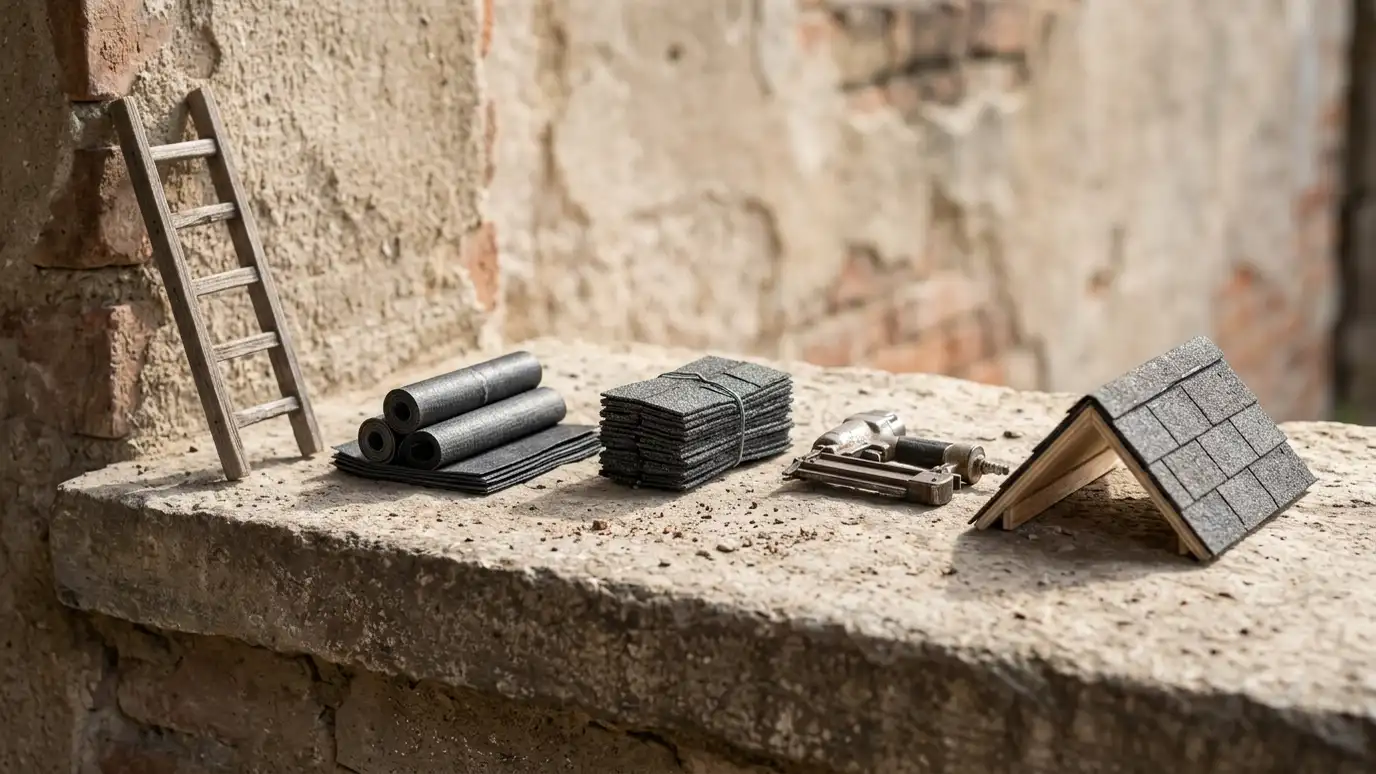
Repair of worn valleys, damaged ridge caps and hip shingles where water concentrates and wind attacks first.
Valleys carry large volumes of water, and ridges take the full force of sun and wind. Both areas wear faster than the rest of the roof. Cracked ridge caps, worn valley shingles and failing metal liners lead to leaks that are easy to miss from the ground. Owners in Nashville call us when they see staining below a valley or loose caps at the peak.
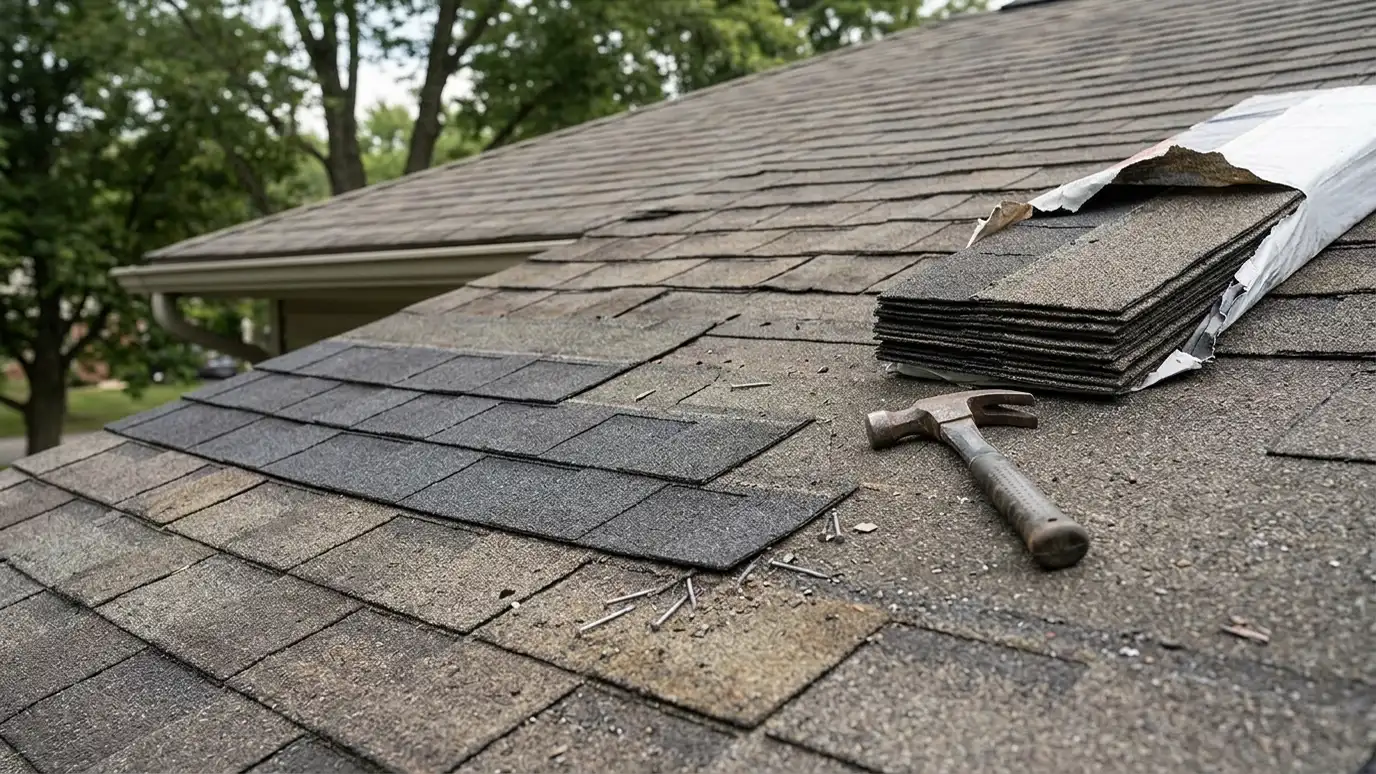
We begin with a Free Estimate and inspect valleys, hips and ridges closely. We replace worn valley liners with durable metal or membrane, re-weave or cut valley shingles correctly, install new ridge caps with proper nailing and sealing and check ridge vents for damage. We also look at the underlying deck and underlayment for water damage and repair it as needed. We pay extra attention to how water moves across the roof. Valleys that are clogged with leaves or granules can overflow under shingles, so we clear them and recommend trimming overhanging branches. A tidy valley and a secure ridge make a roof far more resistant to storms, and the cost of these repairs is small compared with water damage inside the house.
Valleys and ridges see the most water and sun and fail early if neglected.
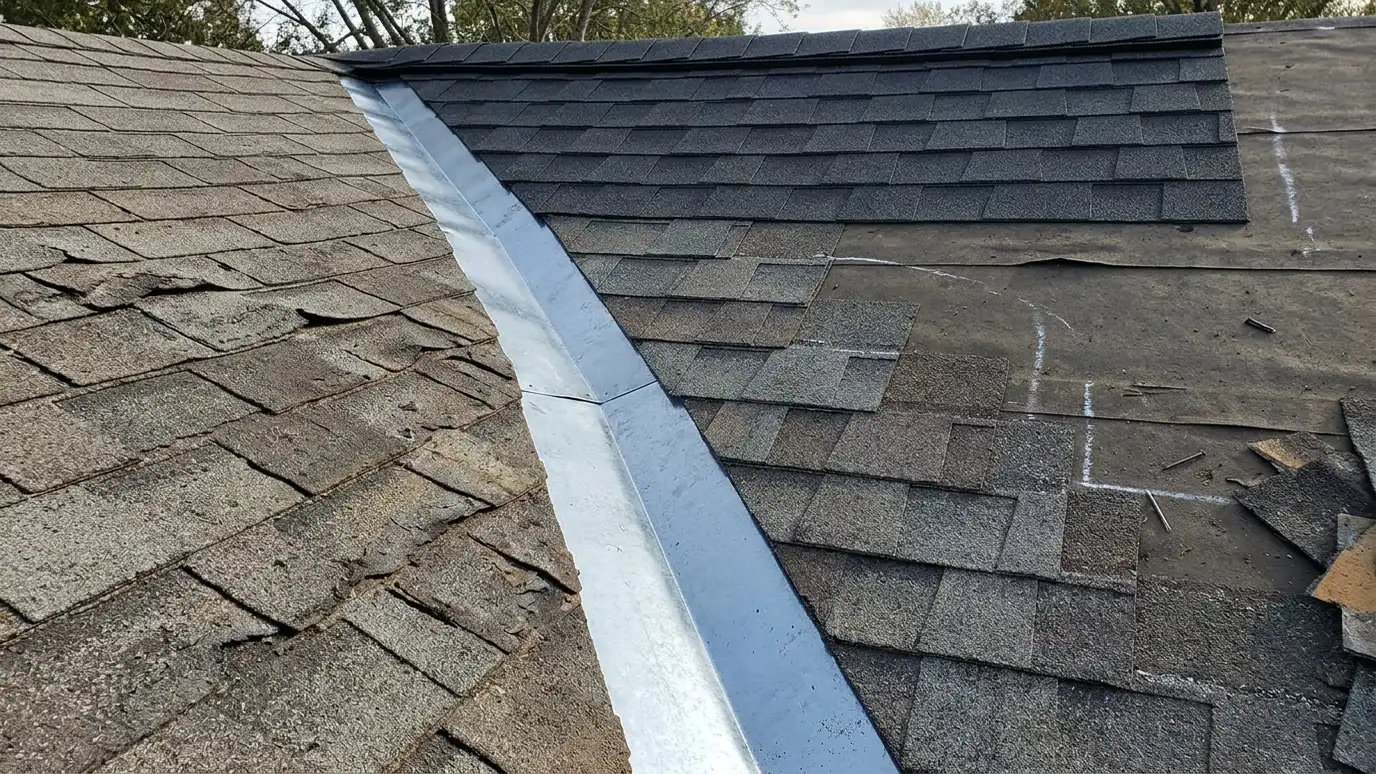
We explain open metal, woven and closed-cut valleys and choose the best for your roof.
New ridge caps and vents are nailed and sealed for wind and water resistance.
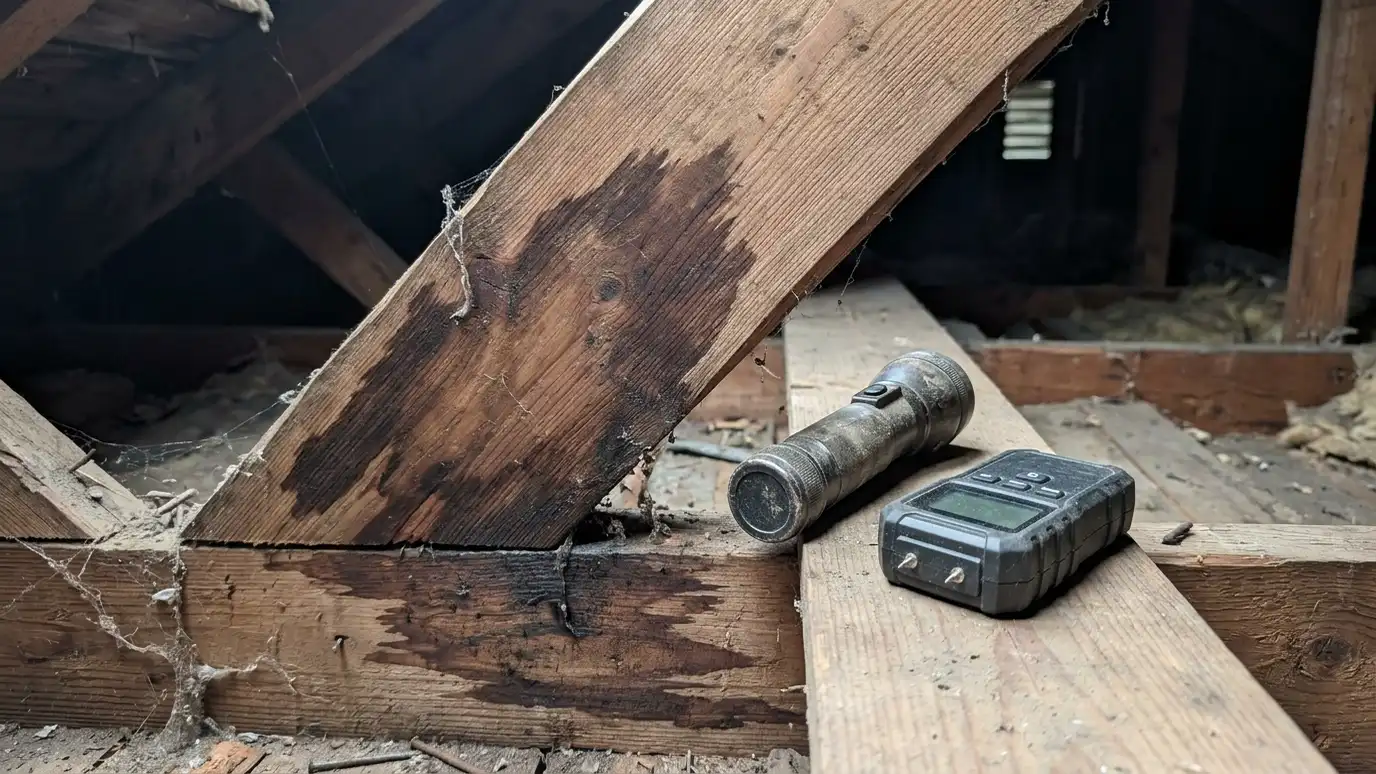
We make sure water has not damaged the deck below.
Drag the handle to compare.
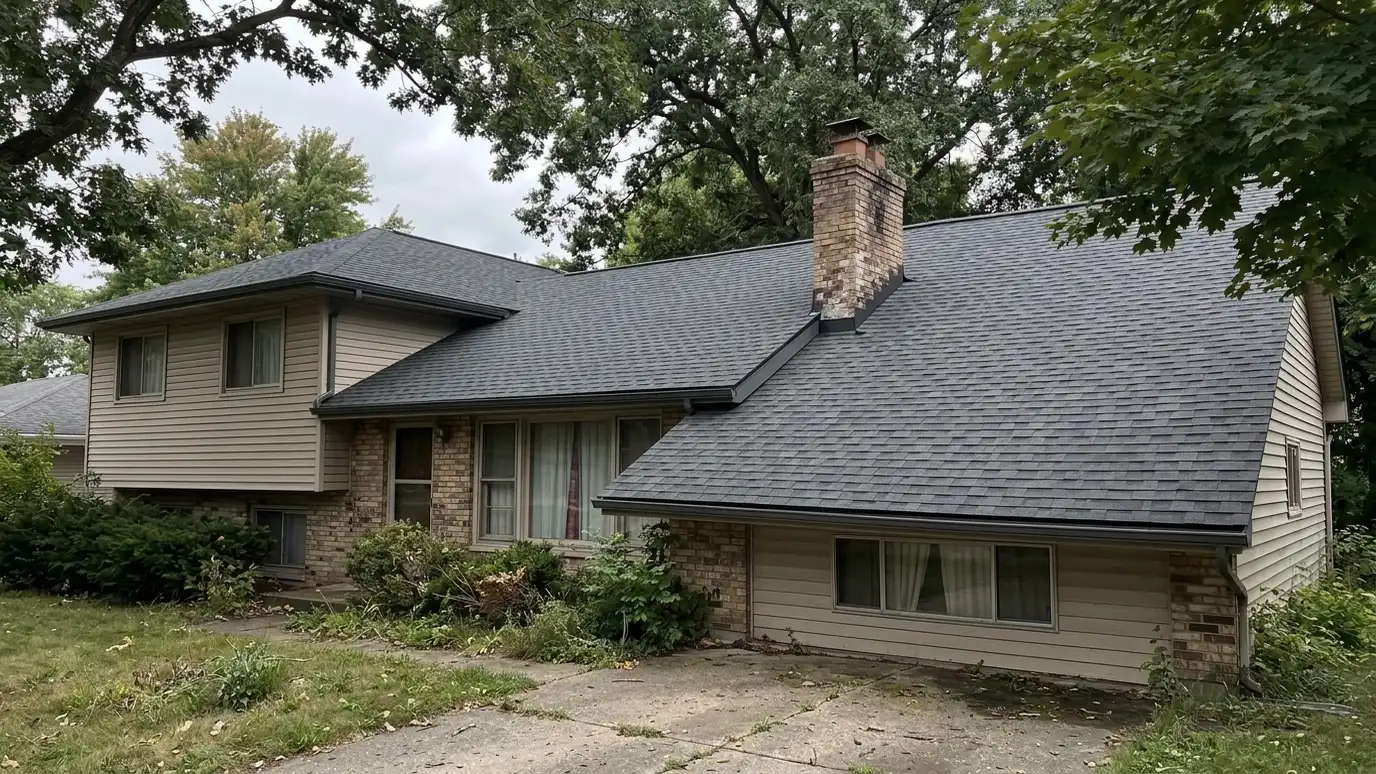
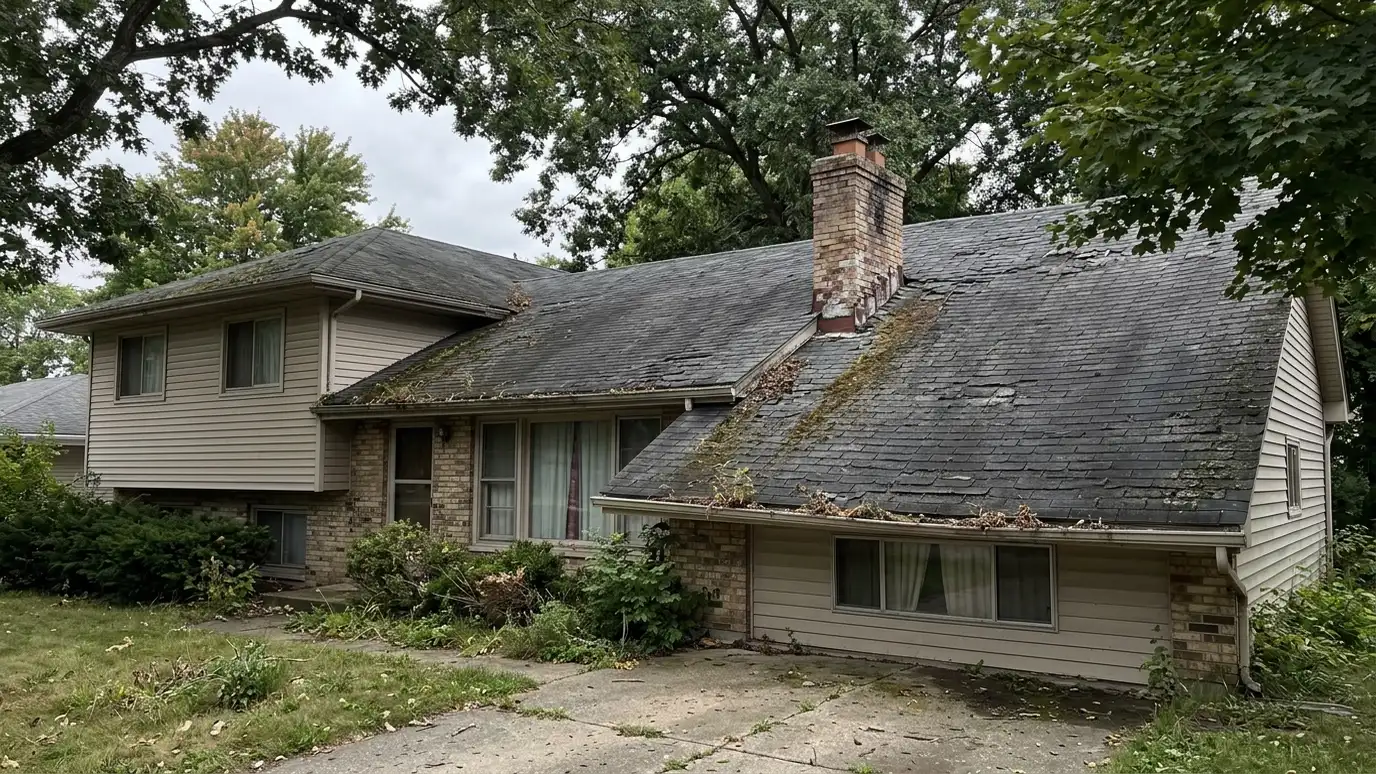 BeforeAfter
Lines reviewed.
Failing parts lifted out.
Metal or membrane placed.
Valley and ridge finished.
Ridge vent reviewed.
Water paths checked.
Every topic has its own page with what to expect and how we approach it.
 ResourceTEMAThe state emergency management agency, which shares preparedness information and updates during severe weather and disasters.Learn more
 ResourceOSHAA federal agency topic page about fall hazards and protection, an essential subject for roofing work.Learn more
 ResourceCompanyCamA photo and documentation app that contractors use to capture, organize and share job-site photos with customers and…Learn more
Pick the project and options to see a typical sequence from inspection and permits to tear-off, installation and cleanup.
You tell us what you see or what you want to change, and we set a visit that fits your day.
We inspect the roof and attic, measure, photograph details and talk through your goals and budget.
You review materials and colors with real samples and receive a plain written scope before anything is ordered.
We protect landscaping, set up debris control and schedule permits, deliveries and crews.
We remove the old roof, repair the decking, install underlayment, flashing and roofing and finish ventilation.
We sweep the yard with a magnet, haul away debris, walk through the finished work with you and share photos.
The line where two roof planes meet, carrying a lot of water.
Stains, granule loss, rust and shingle edges lifting are signs.
Yes. They face the most sun and wind and often need replacement before the field shingles.
Often yes, during repair or replacement.
Valley leaks can be serious, so prompt attention is wise.
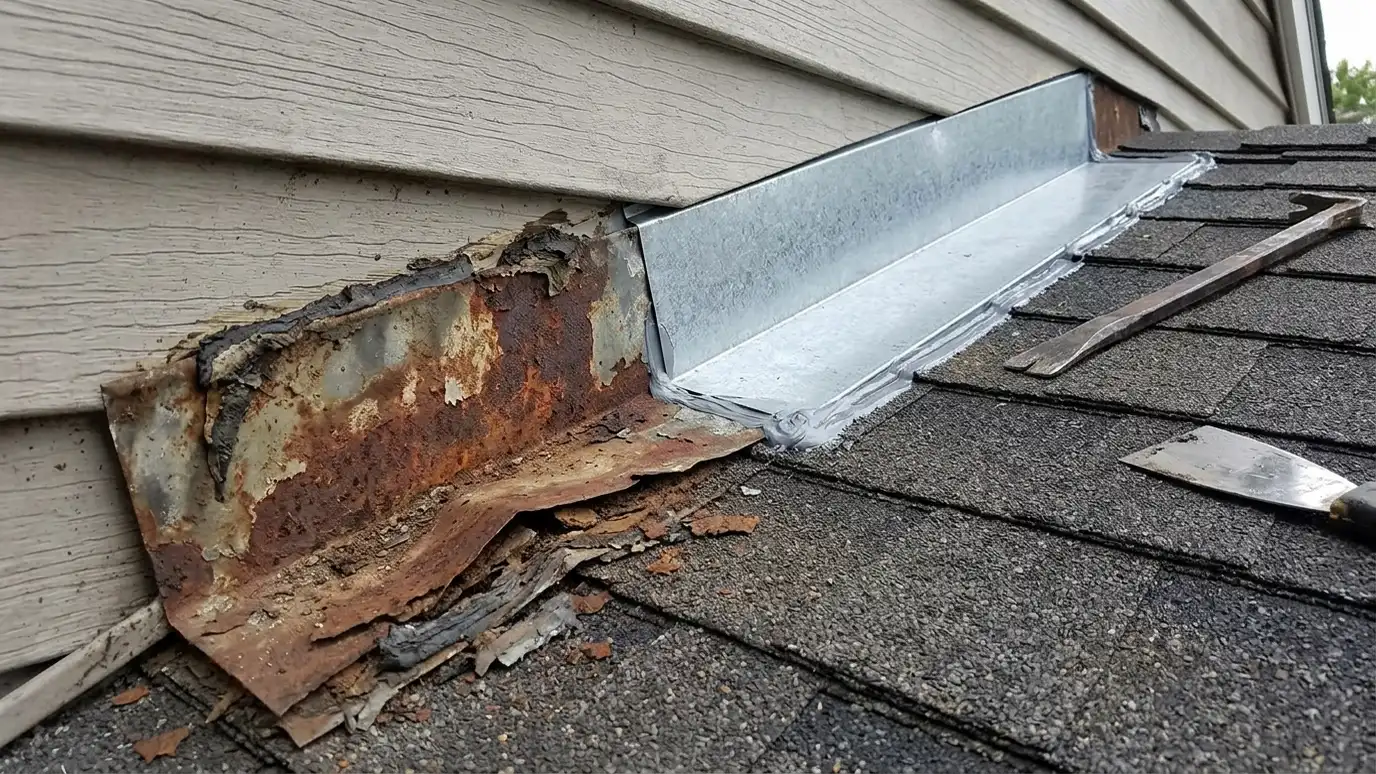 Roof Flashing RepairRepair and replacement of step flashing, valley metal, wall flashing and drip edge, the metal details that keep…Explore
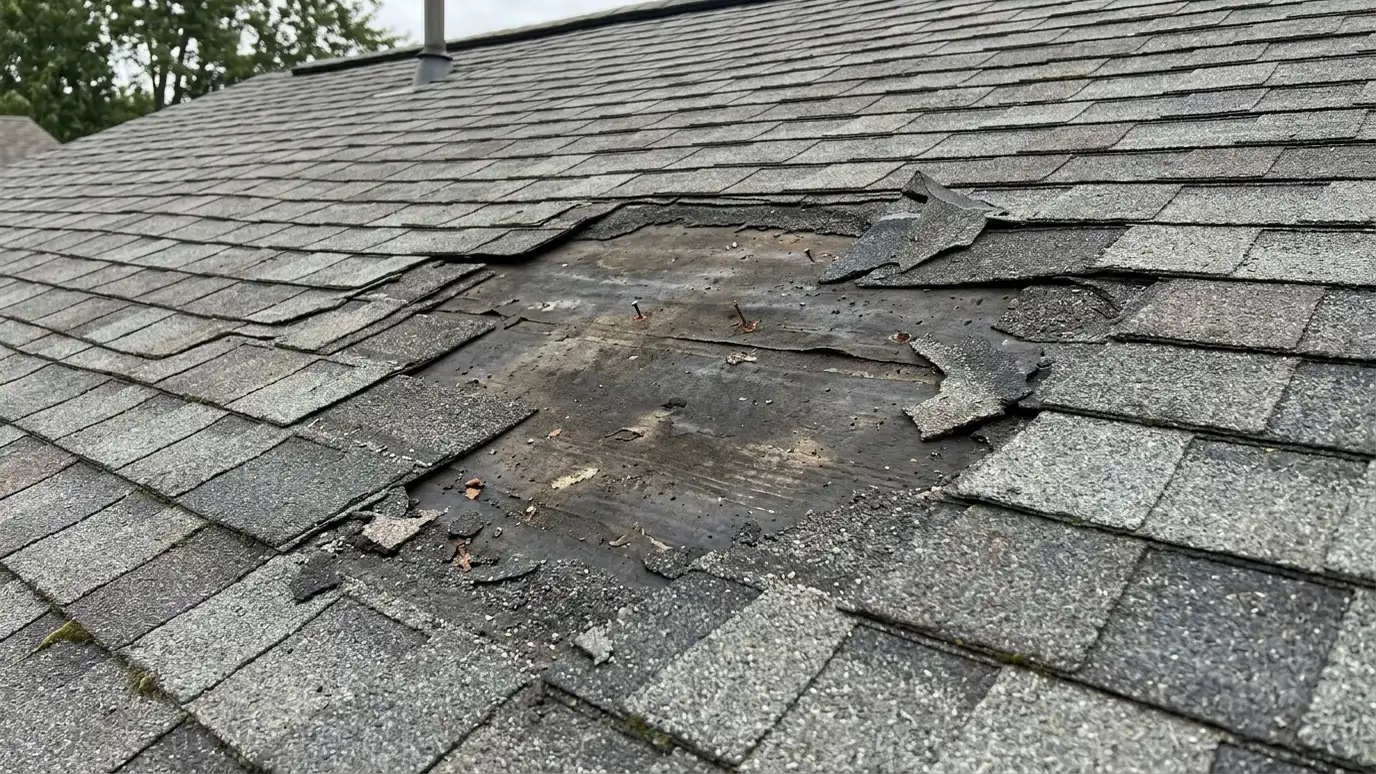 Missing and Damaged Shingle RepairPrompt replacement of missing, cracked, curled and blistered shingles with color-matched material and proper sealing.Explore
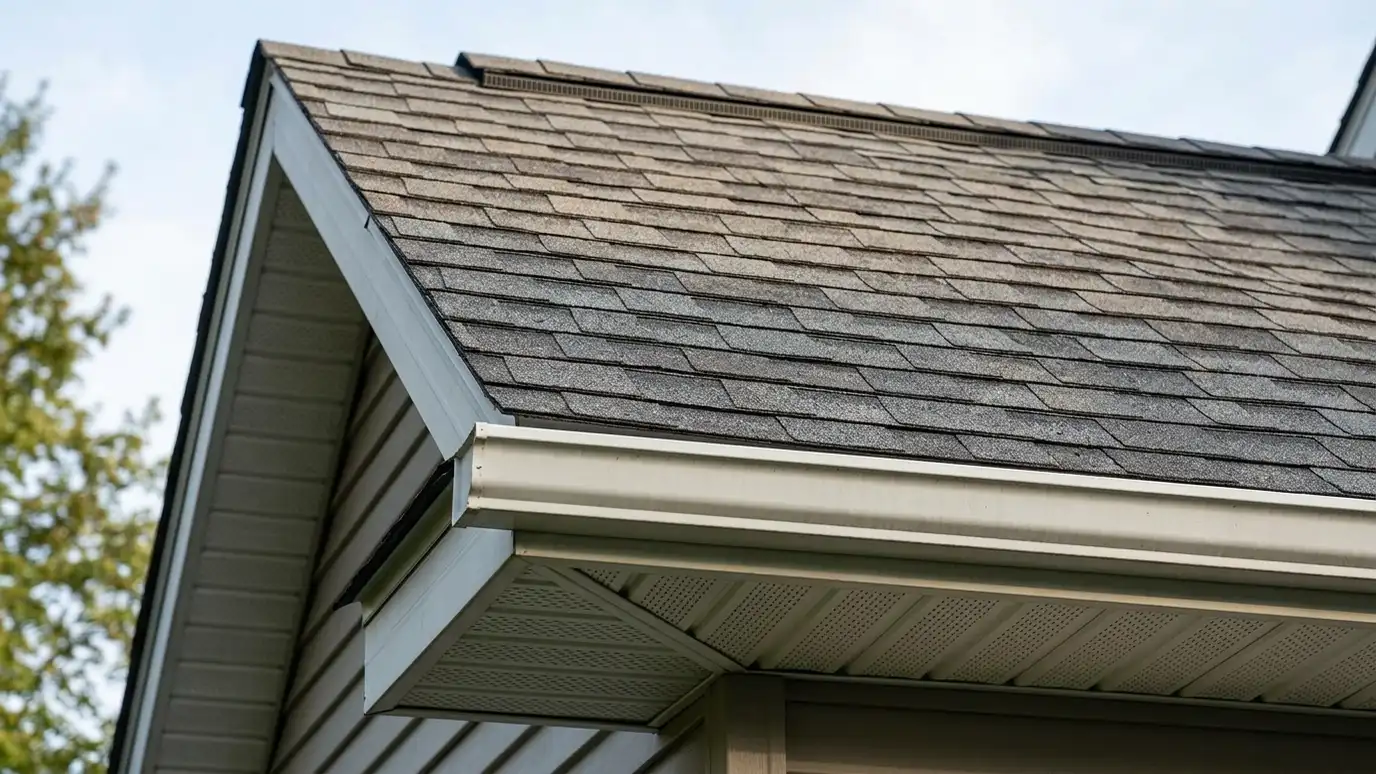 Ridge Vent and Soffit VentilationContinuous ridge vents and soffit intake vents installed as a matched pair to move air through the attic.Explore
 Roof RepairHonest inspection and repair of leaks, damaged shingles, flashing and vents, with a plain explanation of what is…Explore
Tell us about your project and we will call you back to set up a visit.
Or call (615) 357-7797 to talk now.