
Size and shape come first
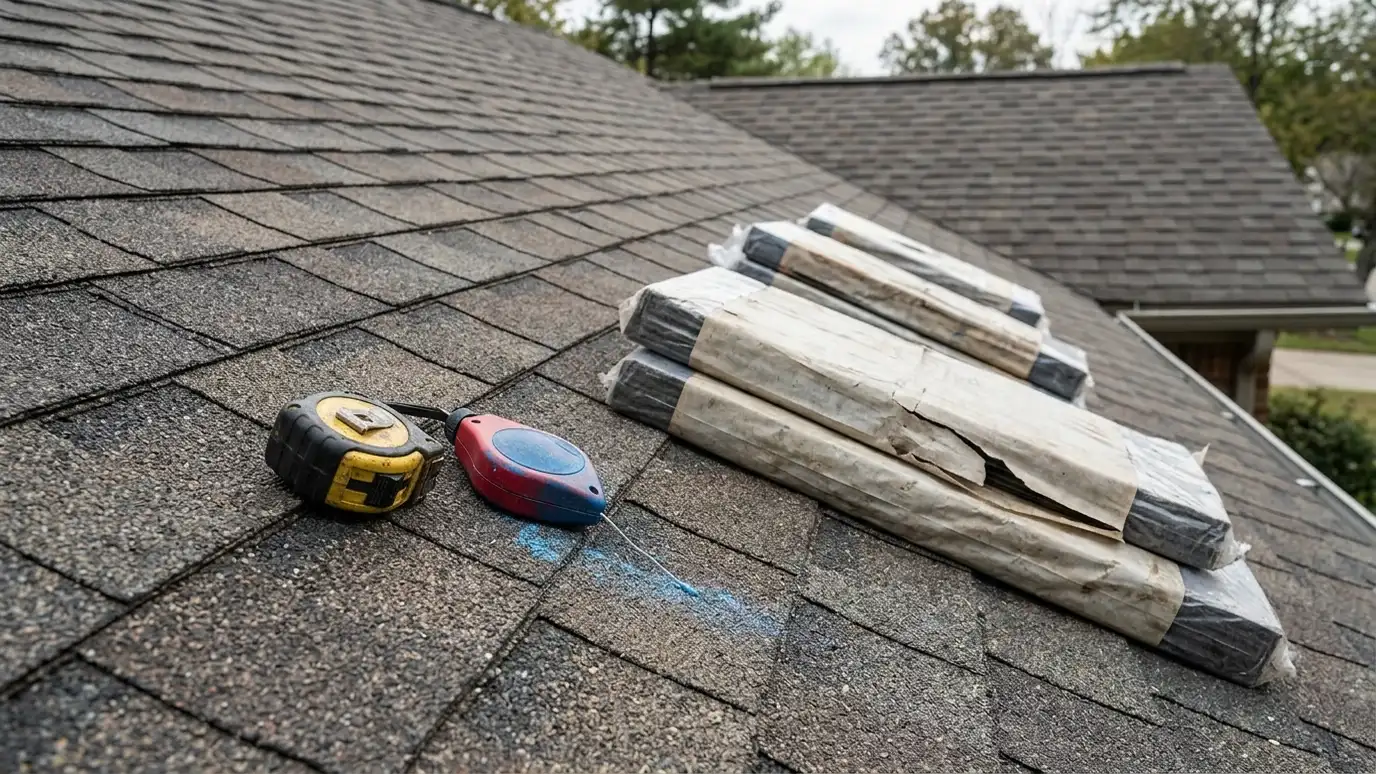
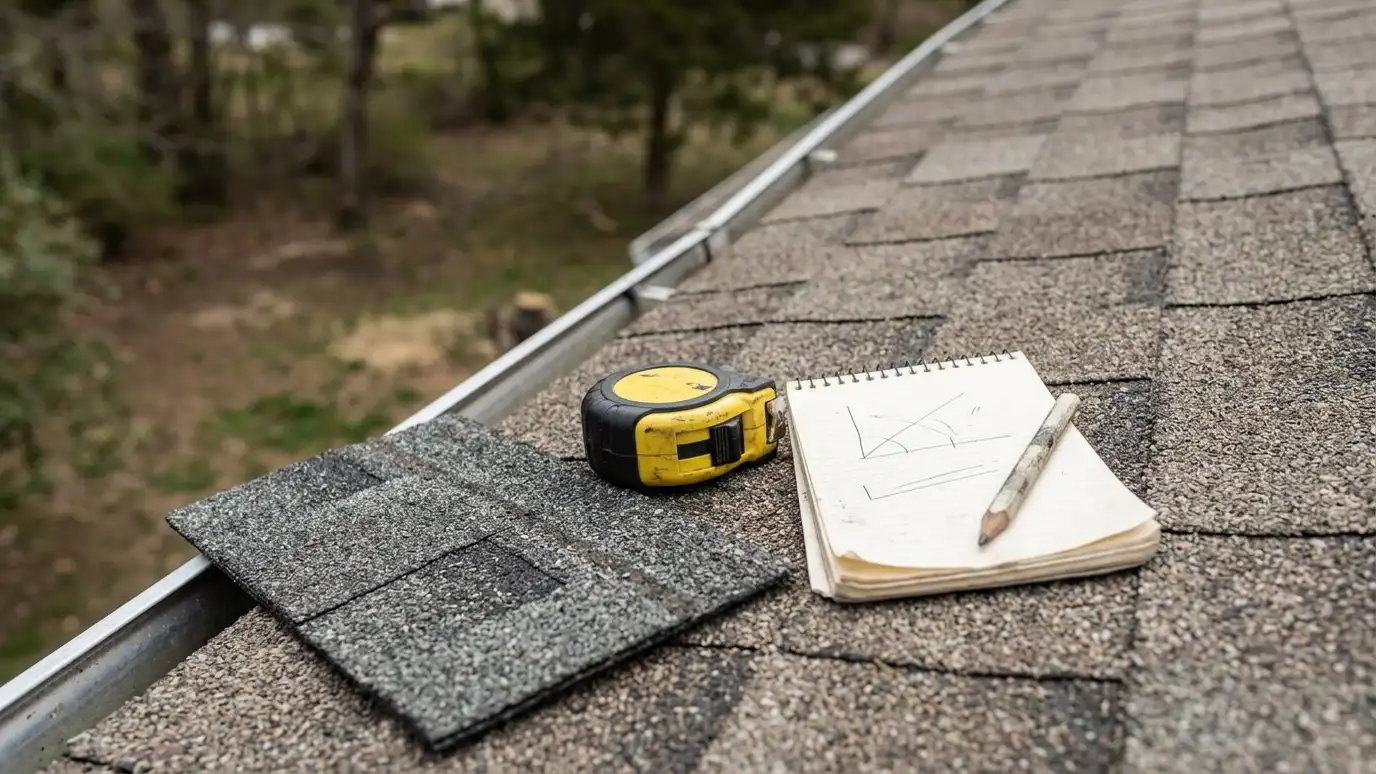
Roof area is the starting point, measured in squares, where one square covers a hundred square feet. Bigger roofs need more material and more labor.
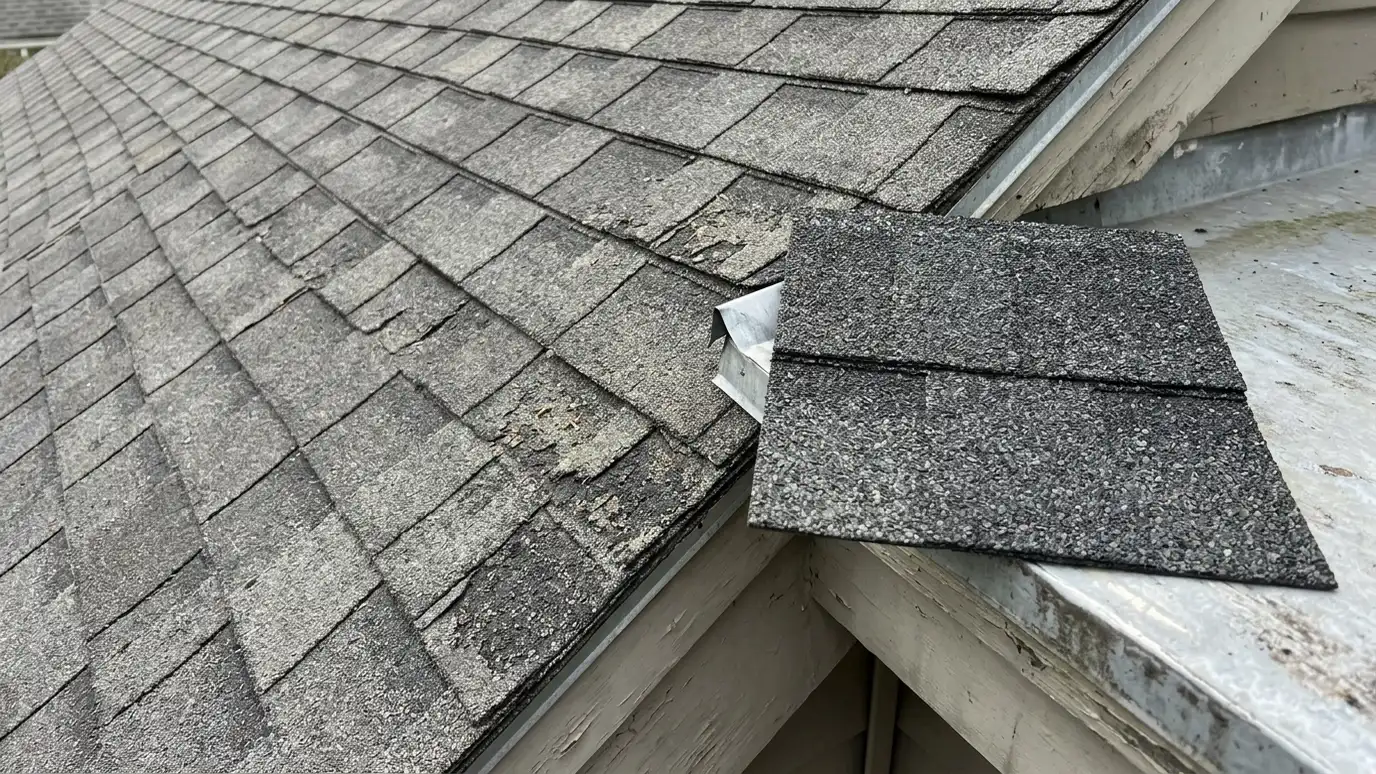
Shape matters too. Many valleys, dormers, hips and chimneys add cutting, flashing and time compared with a simple gable roof.
Ask every contractor to state the roof size they used so you can compare proposals on equal terms.
Before you call anyone, count the stories, note the roof style and look for chimneys, skylights and dormers. Sharing those details helps contractors prepare better estimates, and it helps you notice if two proposals describe different roofs.
Pitch and access
Steep roofs take more safety equipment and more time. Tall homes and tight lots complicate deliveries and staging.
A walkable low-pitch roof is quicker to work on than a steep multi-story roof, even with the same area.
A site visit tells a contractor far more than photos, which is why we start with a Free Estimate.
If a bid mentions an allowance for decking, ask how it is calculated and what rate applies per sheet. A clear answer shows that the contractor has thought about the common surprise on reroofing jobs.
Material choices
Asphalt shingles, metal, slate, tile and synthetic products differ widely in price, weight and labor. Premium shingles and standing seam metal cost more than standard shingles.
Underlayment, ice and water membrane, ridge vents and accessories add to the total, and quality varies.
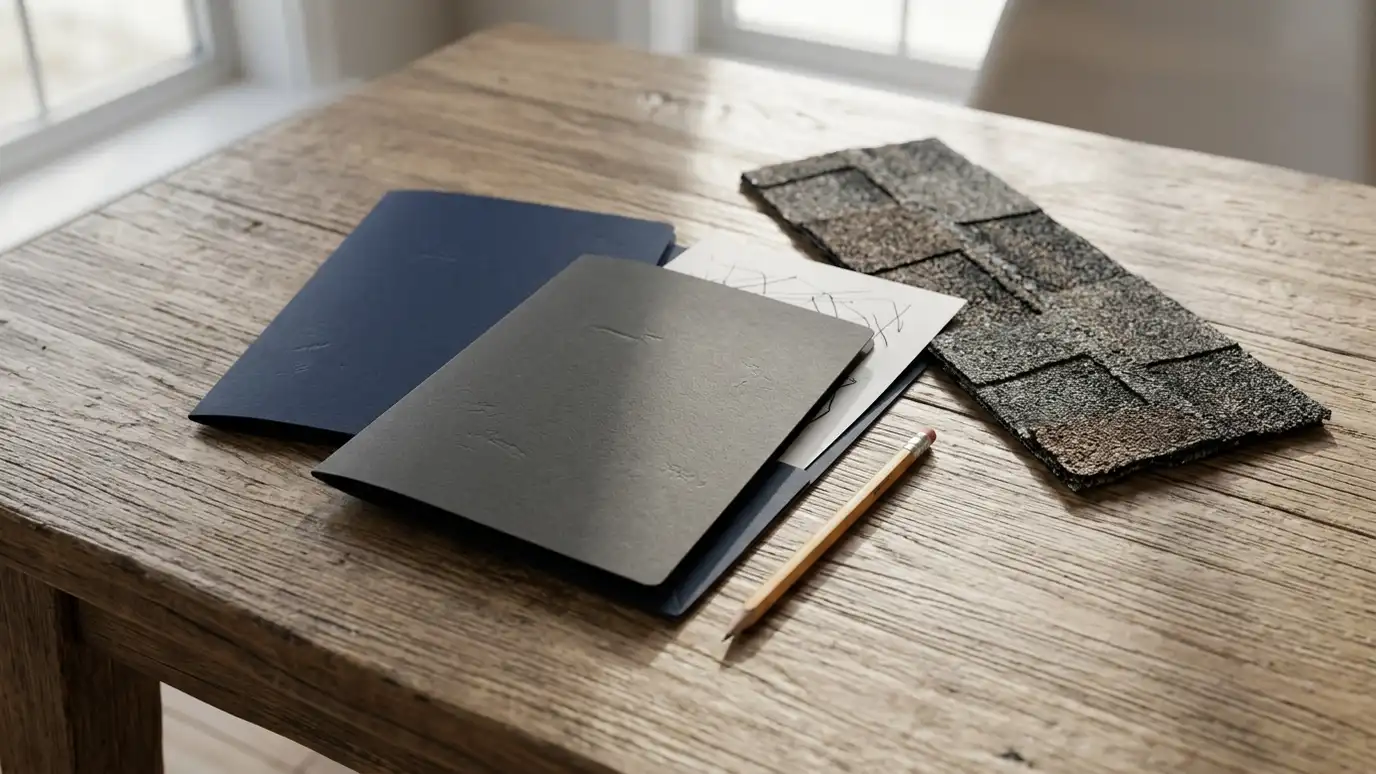
Samples and a written list of selections keep proposals clear.
Material samples matter as much as numbers. Hold a standard shingle and a premium one in your hand, and ask what is different in thickness, manufacturer coverage language and wind rating. You can then weigh value, not just price.
Decking and structure
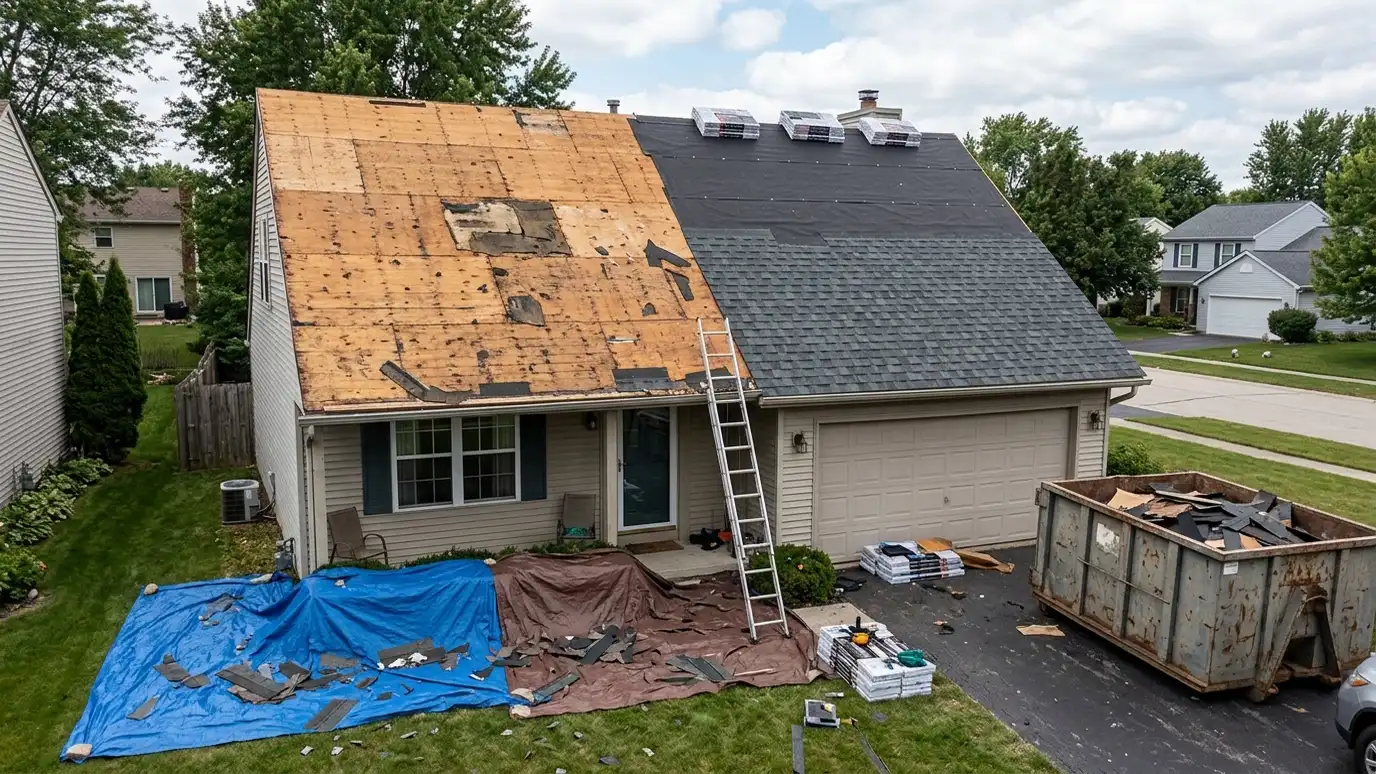
Rotted or damaged decking cannot be seen until the old roof is off. Some proposals include an allowance and some do not.
Ask how decking repairs are priced and what happens if more is needed than expected.
Structural repairs, if any, are best discussed up front.
Ask what is under the shingles. Synthetic underlayment, ice and water membrane at valleys and eaves and quality drip edge are inexpensive compared with the cost of leaks, and a bid that skips them deserves a closer look.
Extras and hidden items
Permit fees, haul-off, dumpsters, chimney or skylight work, gutter replacement, ventilation upgrades and landscaping protection can all be missing from a low proposal.
Plan a contingency for surprises such as hidden rot. Many owners set aside a margin so a surprise does not stall the project.
Ask for exclusions in writing.
Disposal, permits and cleanup are small line items that can surprise you later. Ask each contractor how they handle them, and whether a magnetic sweep of the yard is included.
Comparing proposals fairly
Give each contractor the same information and ask for the same breakdown: roof size, material, underlayment, flashing, ventilation, decking terms, permits, cleanup and schedule.
A proposal that looks lower may leave out key layers. Read the scope line by line.
Our bid comparison tool helps you line up up to three proposals on your own priorities.
Make a simple table with one row per scope item and one column per contractor. The gaps become obvious, and so do the questions to ask. Then weigh communication, schedule and fit alongside the totals.
Compare scopes before prices: roof size, layers, decking terms, ventilation and cleanup should be written down for every bid.