Surface wear
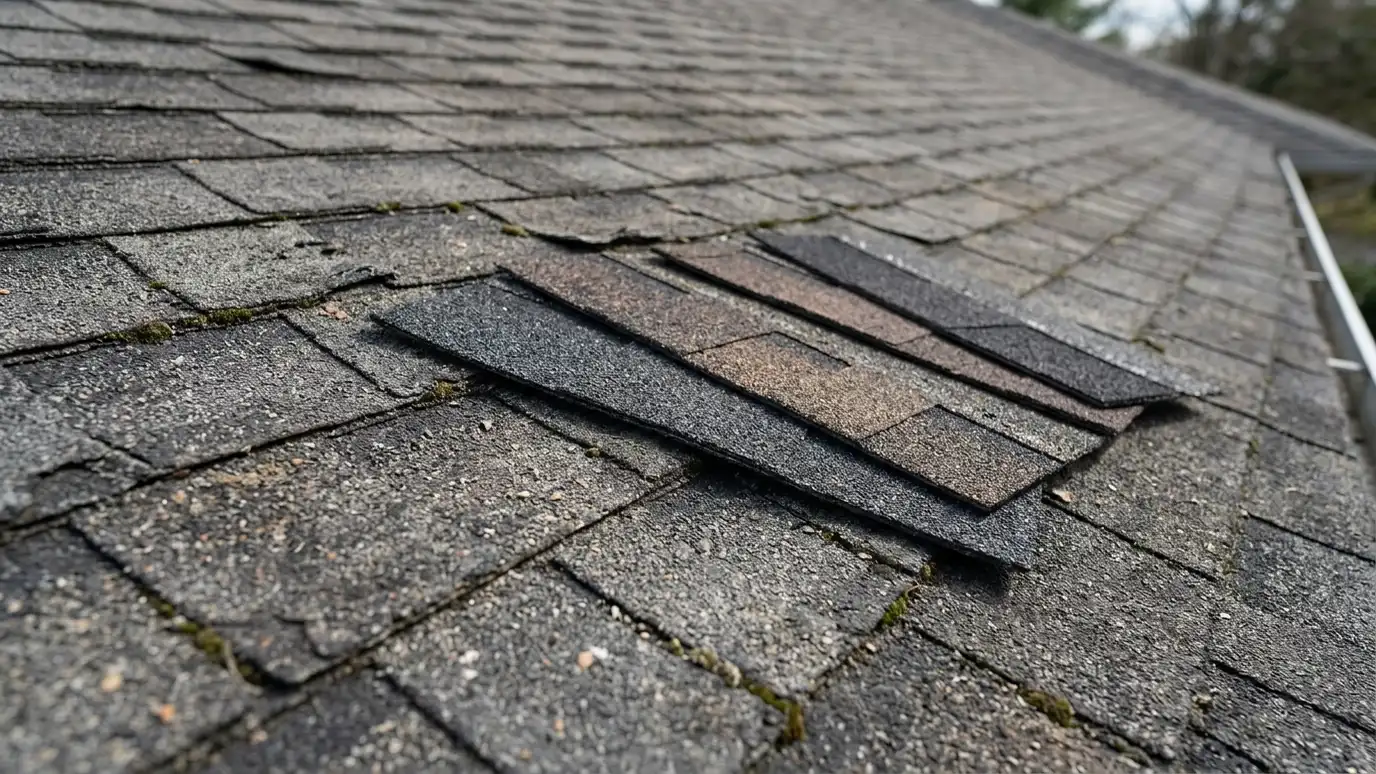
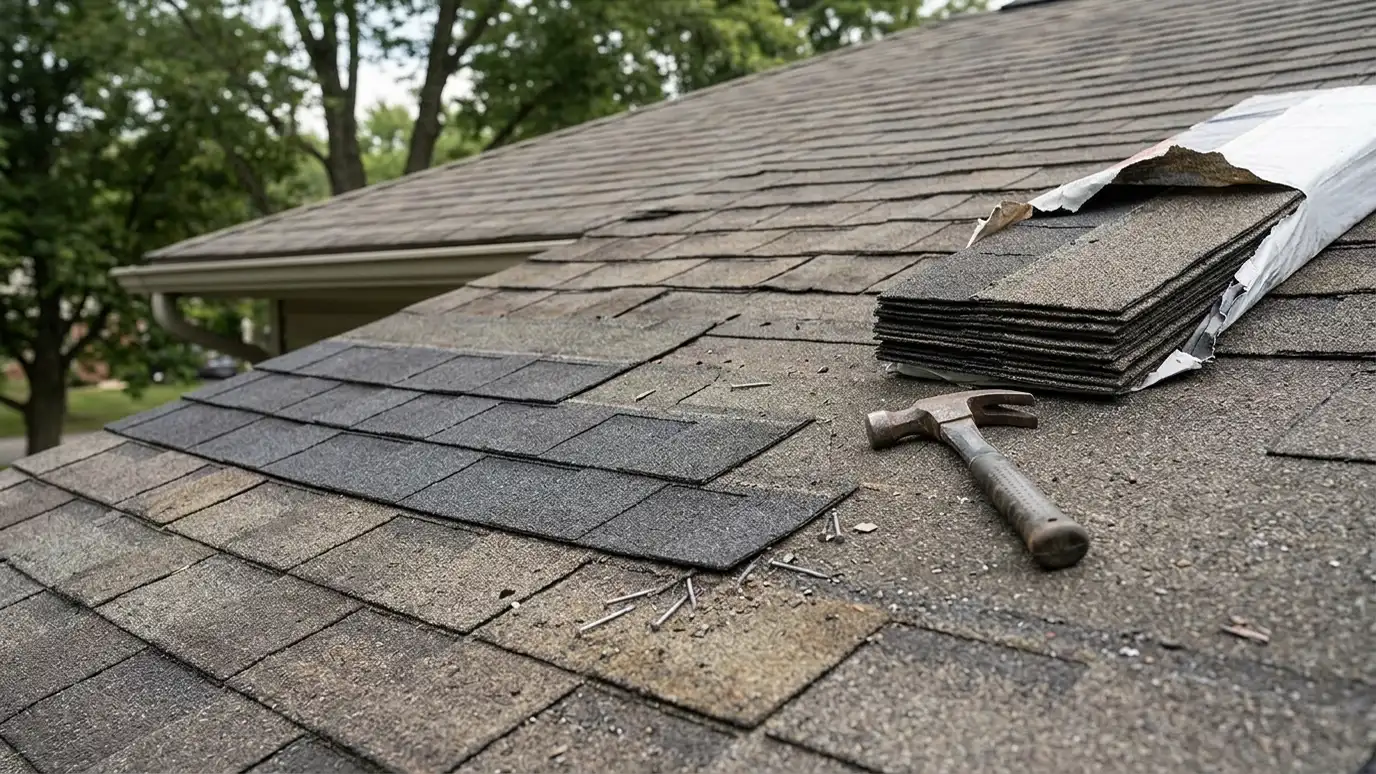
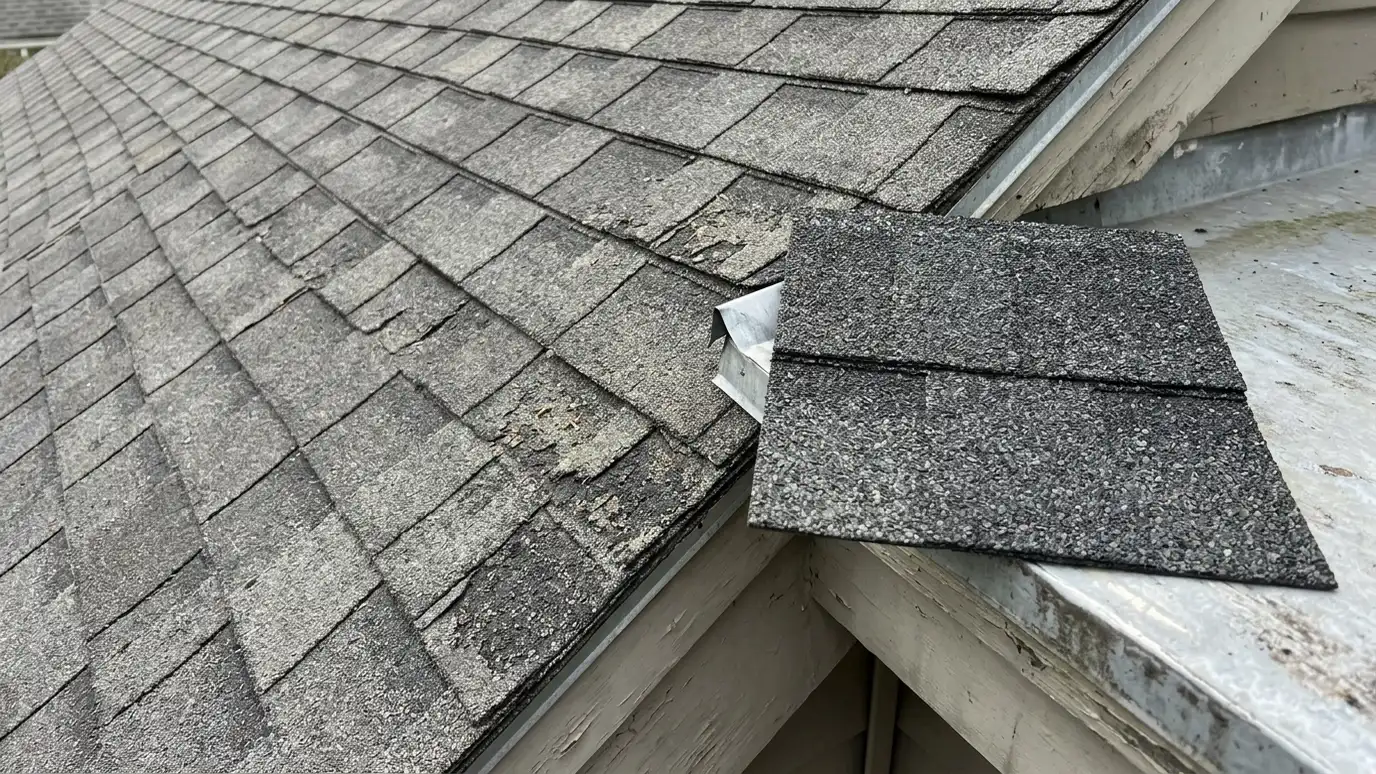
Curling or cupping shingles, bare spots, cracks and heavy granule loss in the gutters are signs of aging. Widespread wear usually means replacement is approaching.
A few damaged shingles in an otherwise good roof can often be repaired.
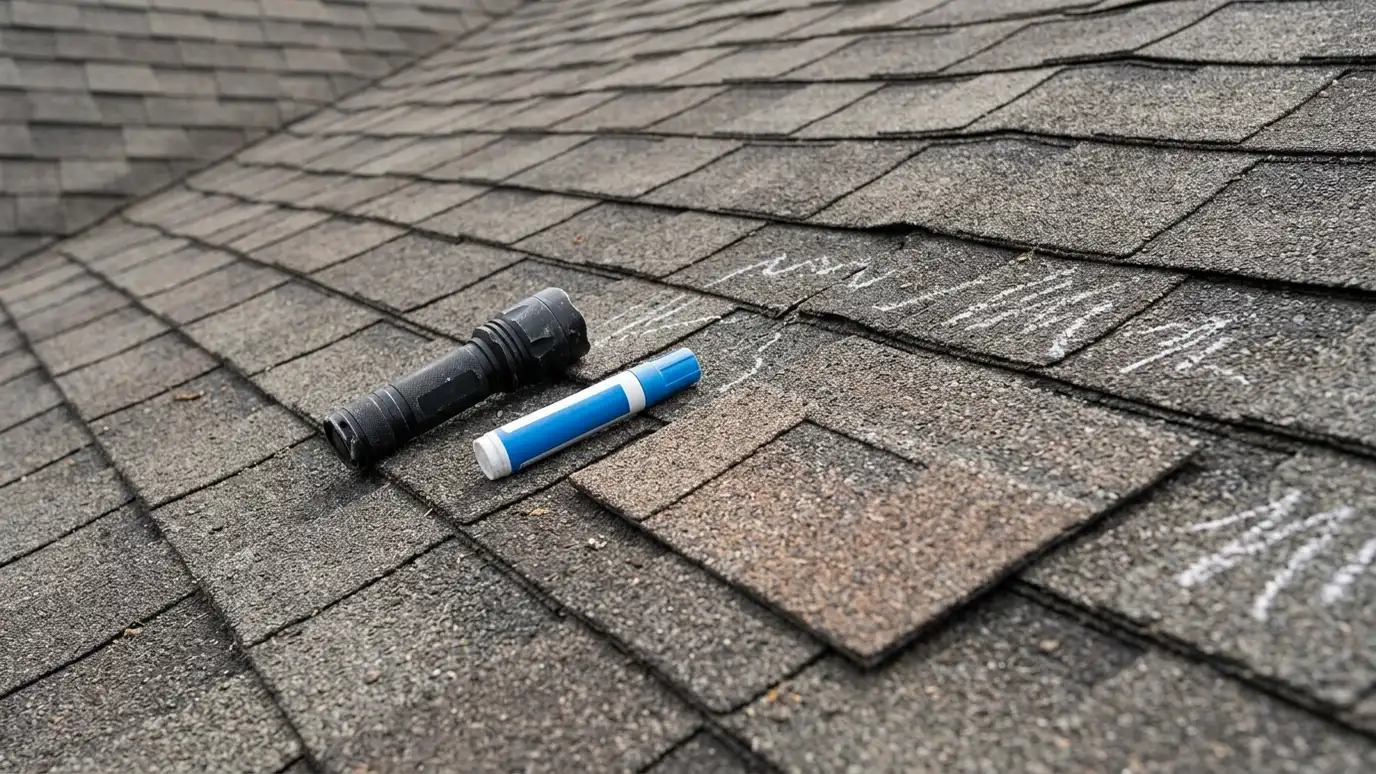
Photos help track change over time.
Take photos of your roof from the same spots every season. A simple series of pictures shows whether changes are slow or fast, and it helps a professional understand what has been happening.
Leaks and stains
Ceiling stains, damp attic insulation and daylight through the roof deck are warning signs. Repeated leaks after repairs can point to a failing roof system.
A single leak from one flashing failure is often repairable.
Find the cause before deciding.
Write down when you first noticed a stain or leak and what the weather was like. Heavy rain, wind and long dry spells all give clues about the cause.
Age and material
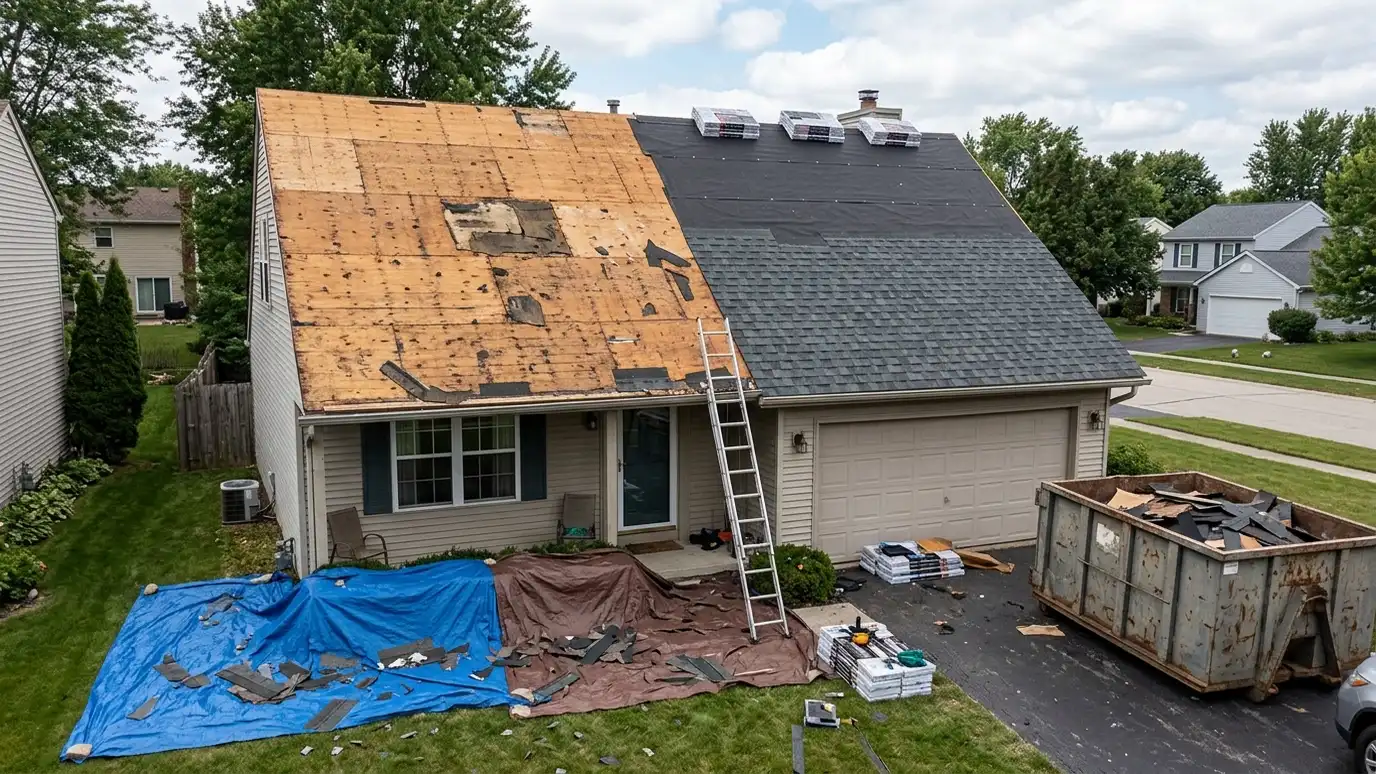
Every material has a typical life, and conditions change it. A roof near the end of its expected life deserves a careful inspection.
Age alone does not decide. Condition matters more than the date.
Ask your contractor to explain remaining life in plain terms.
Look at the date the roof was installed if you know it, and any records of repairs. History helps a contractor judge remaining life.
Structure and ventilation
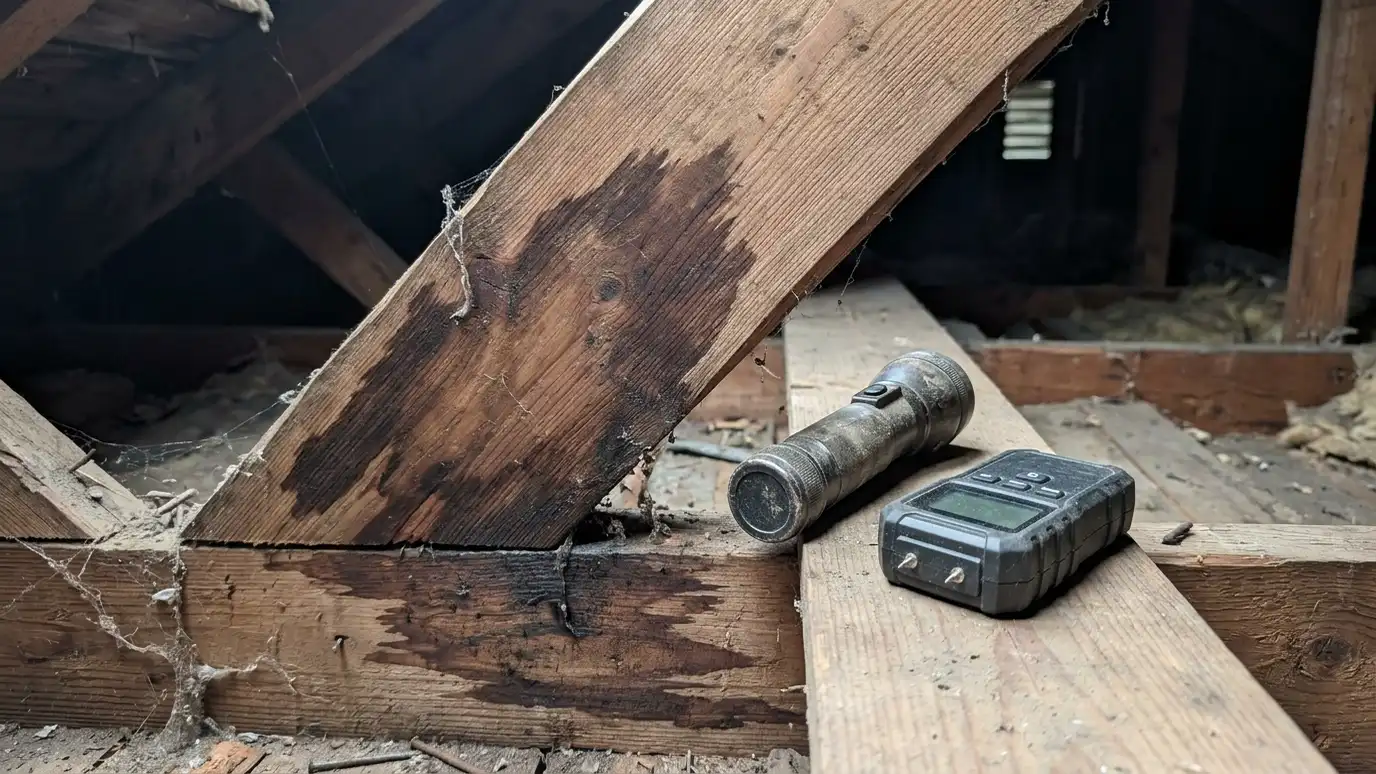
A sagging roof line, soft spots or rotted decking are serious. Poor ventilation can age shingles early and cause moisture problems.
Structural concerns deserve an engineer or experienced roofer's opinion.
Ventilation upgrades often go hand in hand with replacement.
Check the attic with a flashlight after a storm. Dark stains on the underside of the deck, damp insulation and rusty nail tips tell you more than the roof surface alone.
Storm damage
Hail bruising, creased shingles from wind and impact from limbs can shorten roof life even when no leak appears yet.
Prompt inspection after a storm helps you decide.
Documentation helps if you choose to file a claim.
If a storm has passed, look at gutters, vents and fences for dents and damage. They are clues to what the roof experienced.
Getting an honest second look
A free inspection with photos can show whether repair or replacement fits. Compare scopes from more than one contractor.
Be cautious of anyone who insists on replacement without showing evidence.
Our Free Estimate comes with photos and plain explanations.
Ask for photos with every recommendation. Evidence you can see and keep is the best protection against pressure and guesswork.
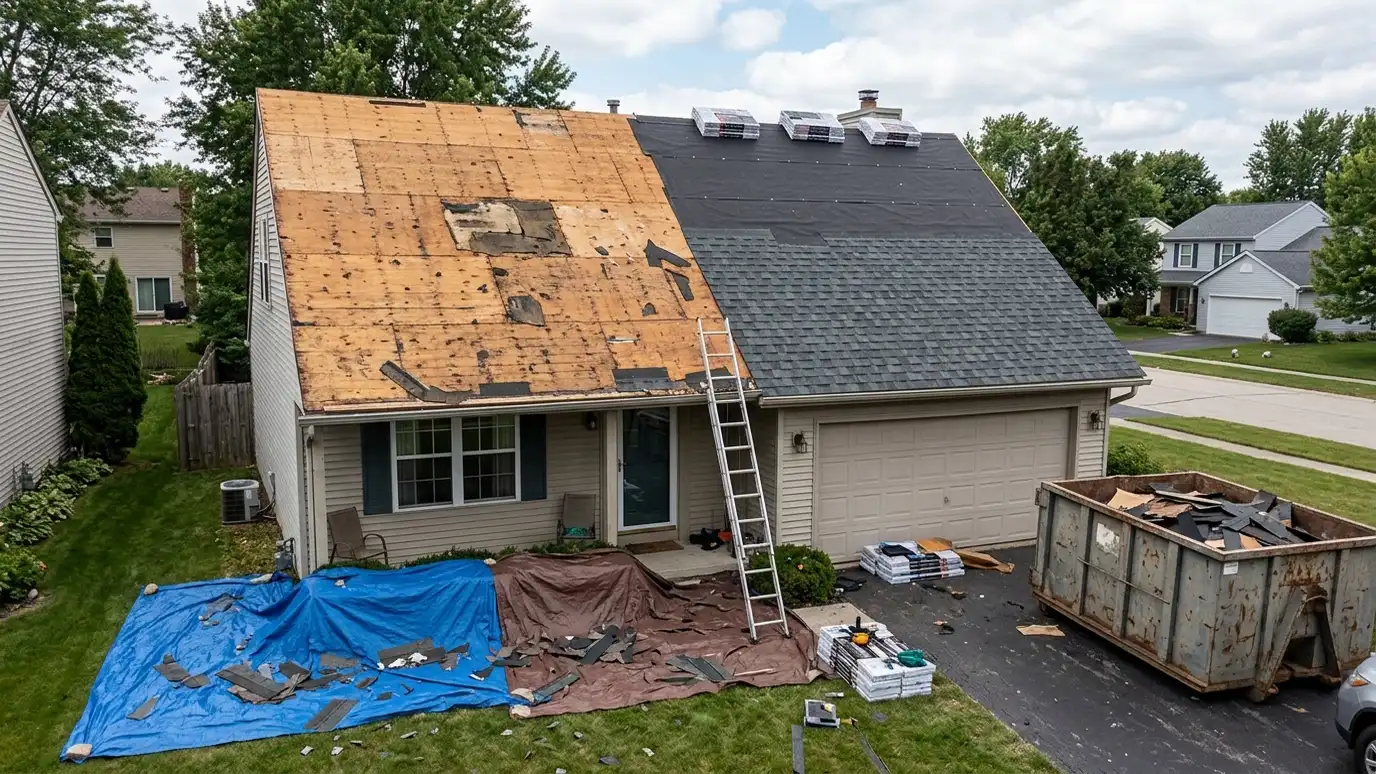
Look at the evidence: photos of widespread wear, repeated leaks and soft decking point toward replacement, and a single local failure usually means repair.