
First call and Free Estimate
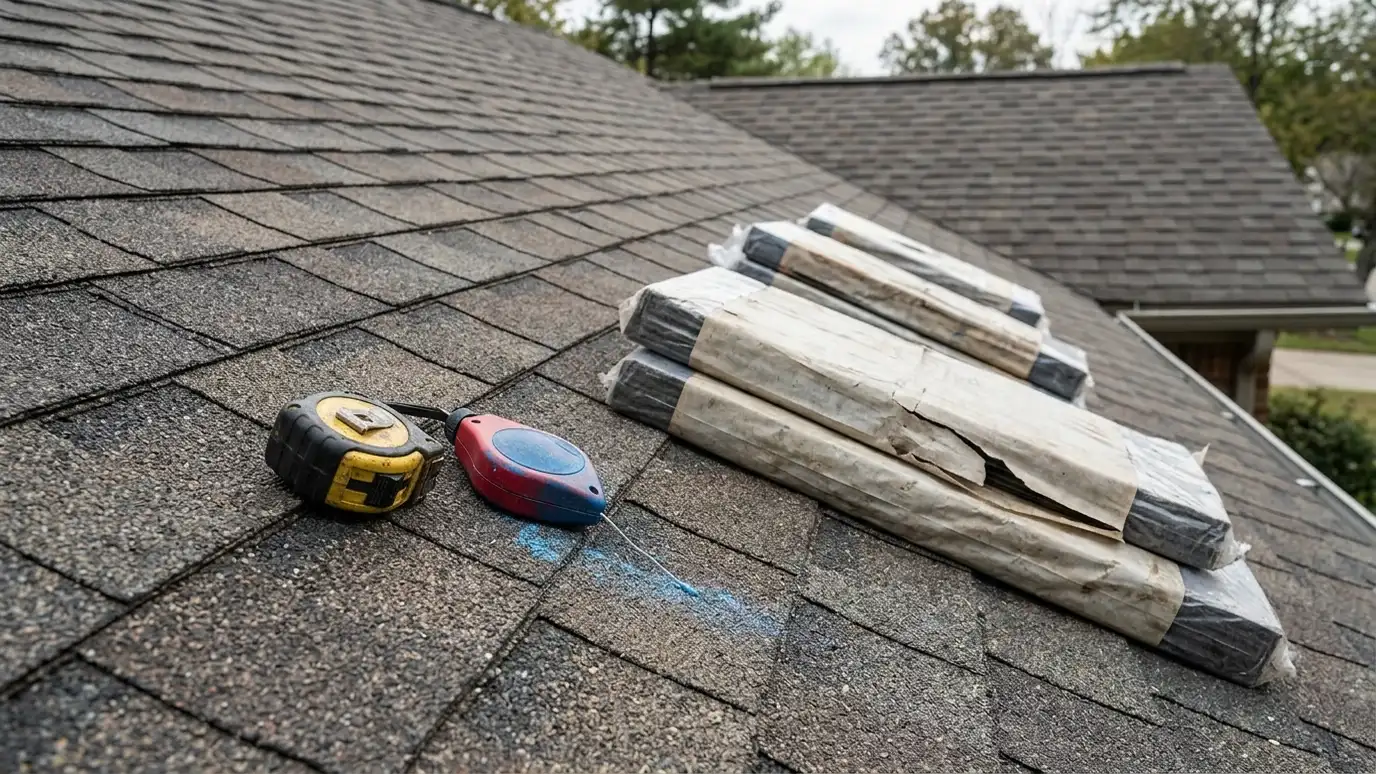
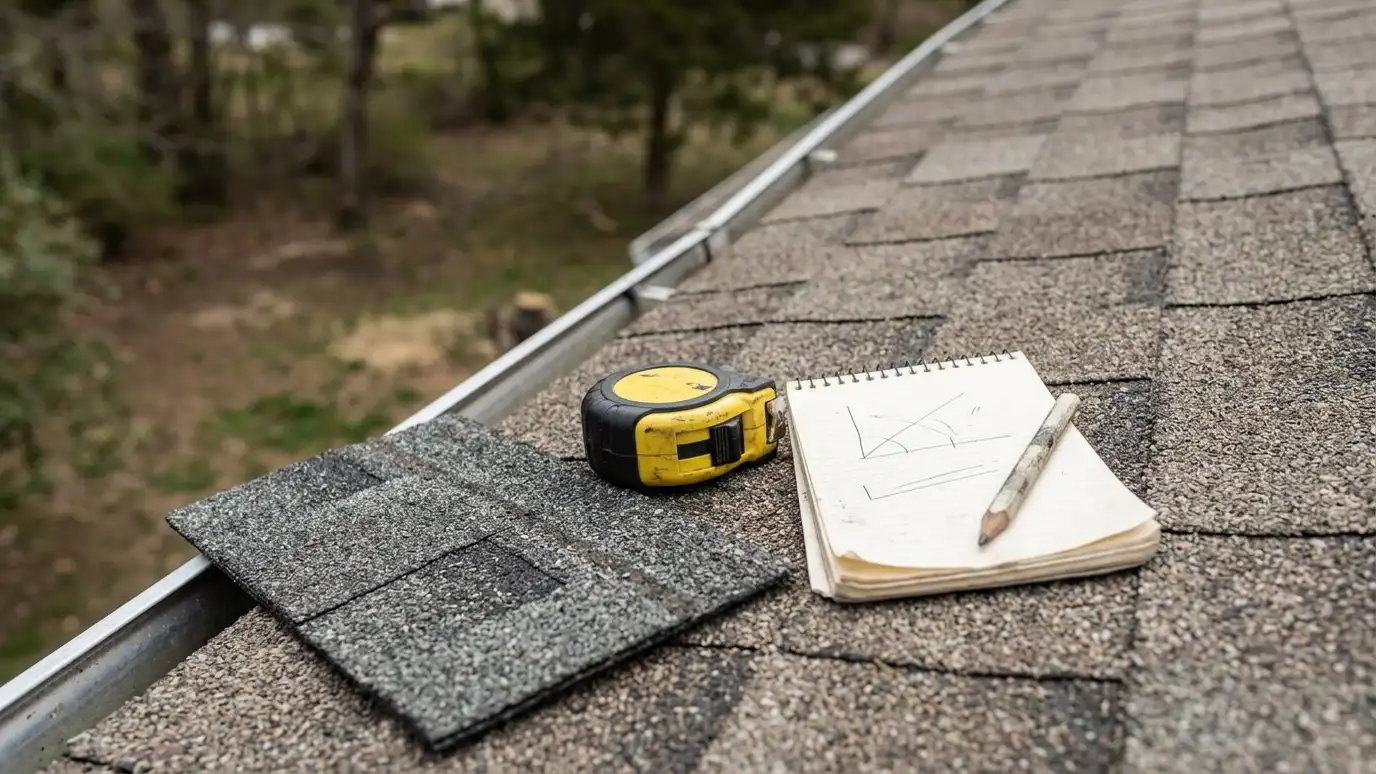
The process starts with a conversation about what you see and what you want. A good contractor visits, inspects the roof and attic, takes photos and asks about your goals and timeline.
You receive a written scope with materials, underlayment, ventilation, decking terms and clear exclusions.
You decide whether and when to move forward, with no obligation.
Prepare for the first visit by gathering photos, any past roof records and a list of questions. Tell the contractor about leaks, drafts, hot rooms and plans such as solar panels or an addition.
Selection and approvals
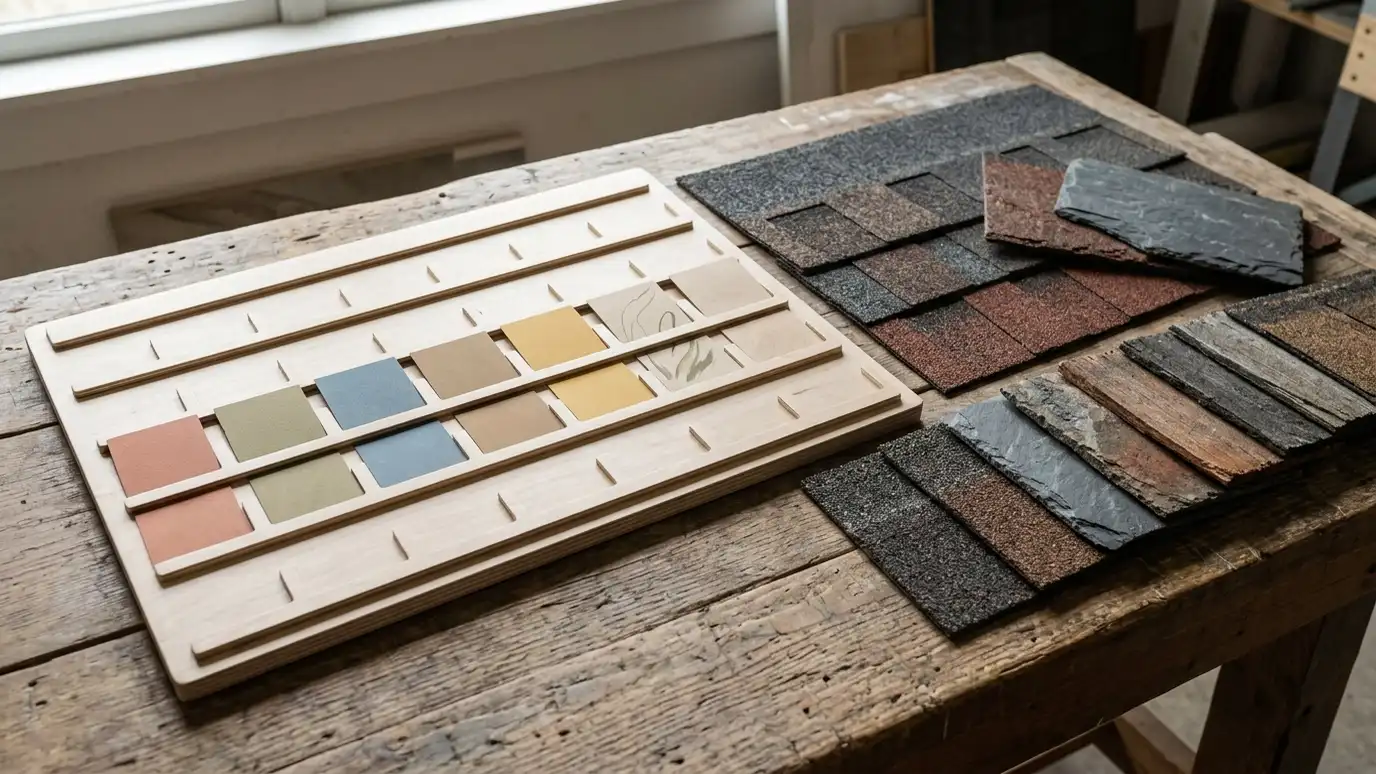
You choose materials and colors with real samples. If your neighborhood or an HOA requires approval, your contractor helps prepare samples and descriptions.
Permits are handled where required, and long-lead materials are ordered.
Starting early keeps the schedule smooth.
Ask who will handle approvals and when. A clear list of tasks, such as samples, HOA application and permit, prevents the common problem where everyone assumes someone else is doing it.
Preparation and tear-off
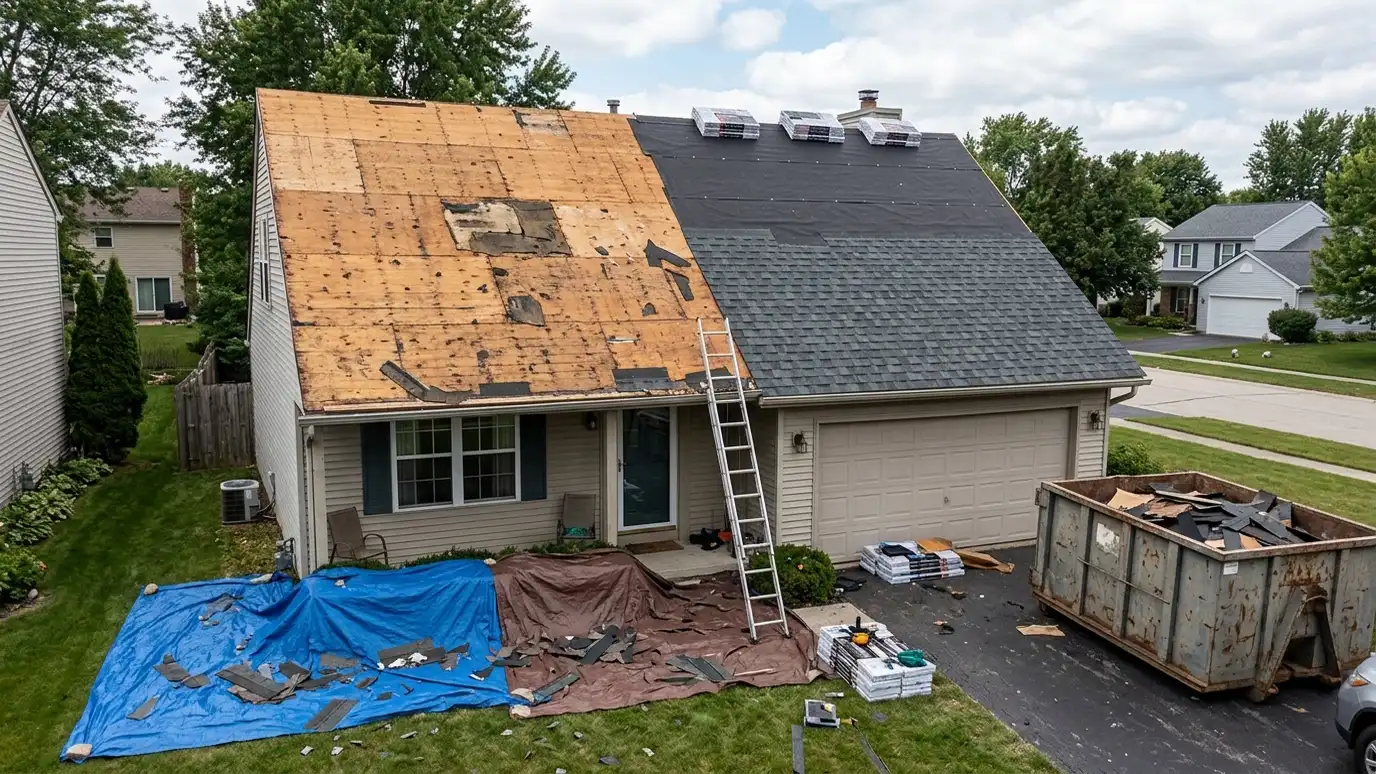
On the day, crews protect landscaping, move vehicles and set up debris control. Old roofing is removed and the deck is inspected.
Damaged decking is replaced and shown to you in photos or in person.
Gutters and siding are protected, and debris is collected as work proceeds.
On tear-off day, move cars out of the driveway, bring pets inside and remove fragile items from walls under the roof. Noise and vibration can shake things loose.
Underlayment, flashing and roofing
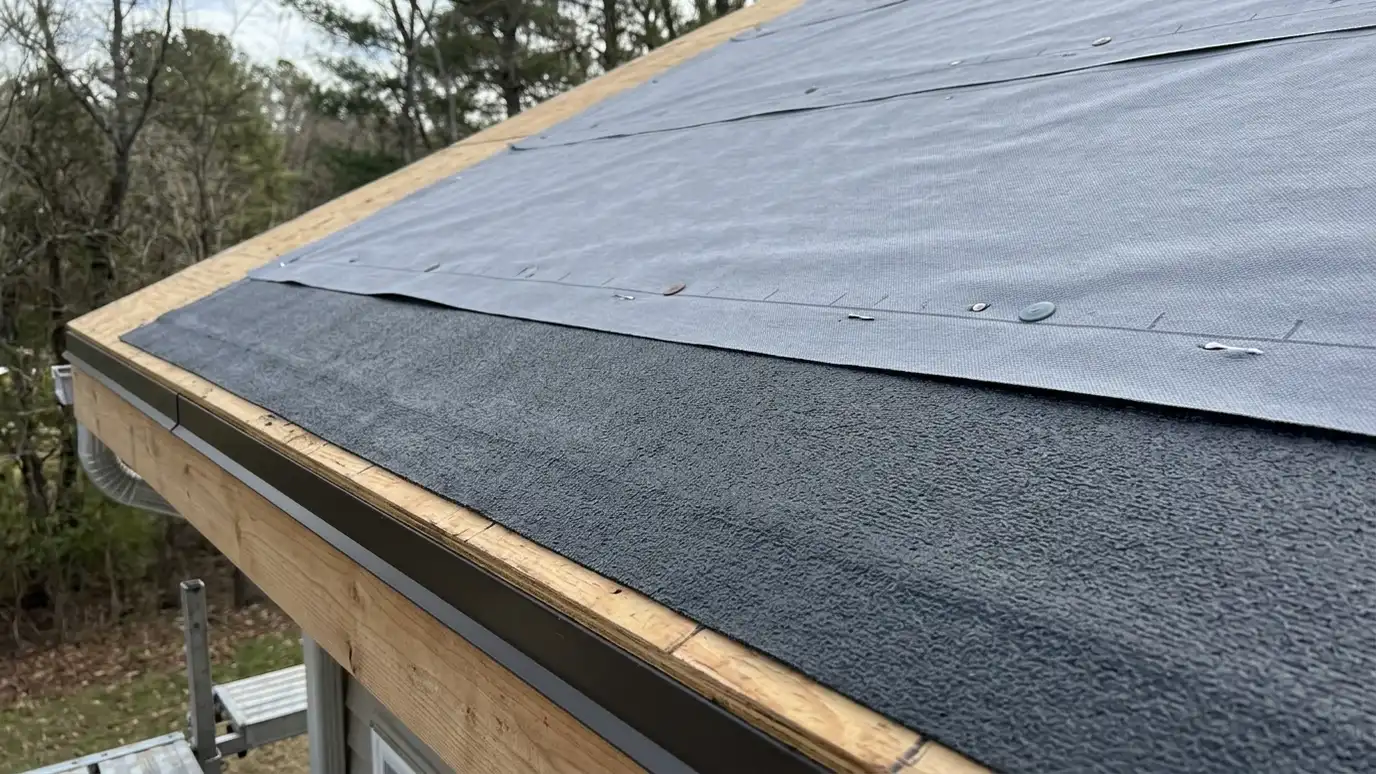
Drip edge, underlayment and ice and water membrane go on first, followed by flashing at valleys, walls and penetrations.
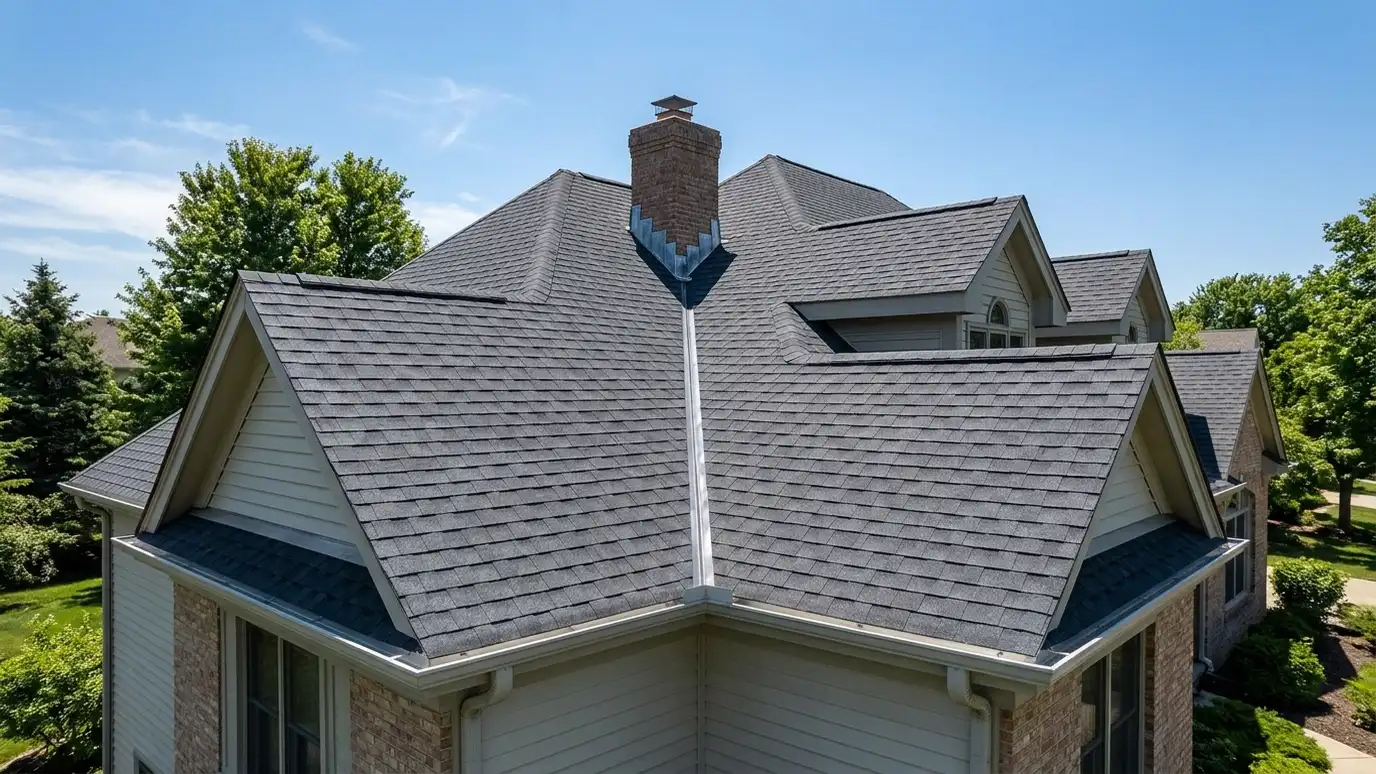
Shingles or other roofing are installed to the manufacturer's instructions, with ridge caps and ventilation completed.
Every step is checked as it goes.
If you want to see the work, ask about photo updates at key stages. Many owners like to see the deck and underlayment before they are covered, and a good contractor welcomes the questions.
Inspection and cleanup
Crews check the roof, clean the gutters of debris and sweep the yard and driveway with a magnetic tool.
Any inspection required by the city is scheduled.
You receive a final walk-through and photos.
Walk the property at the end of the day and again when the job is done. Look at the roof from several angles, check the gutters and the yard and ask any questions while the crew is still there.
Care after installation
You get a simple care guide covering inspection timing, gutter care and what to do after storms.
We keep a record of materials and colors for future repairs.
Annual maintenance helps the roof reach its expected life.
Save your care guide, photos and product information. They help with maintenance, with future repairs and with any questions about the roof when you sell.
Ask for a written scope, choose materials with real samples and make sure underlayment, flashing and ventilation are described before you say yes.