Safety first
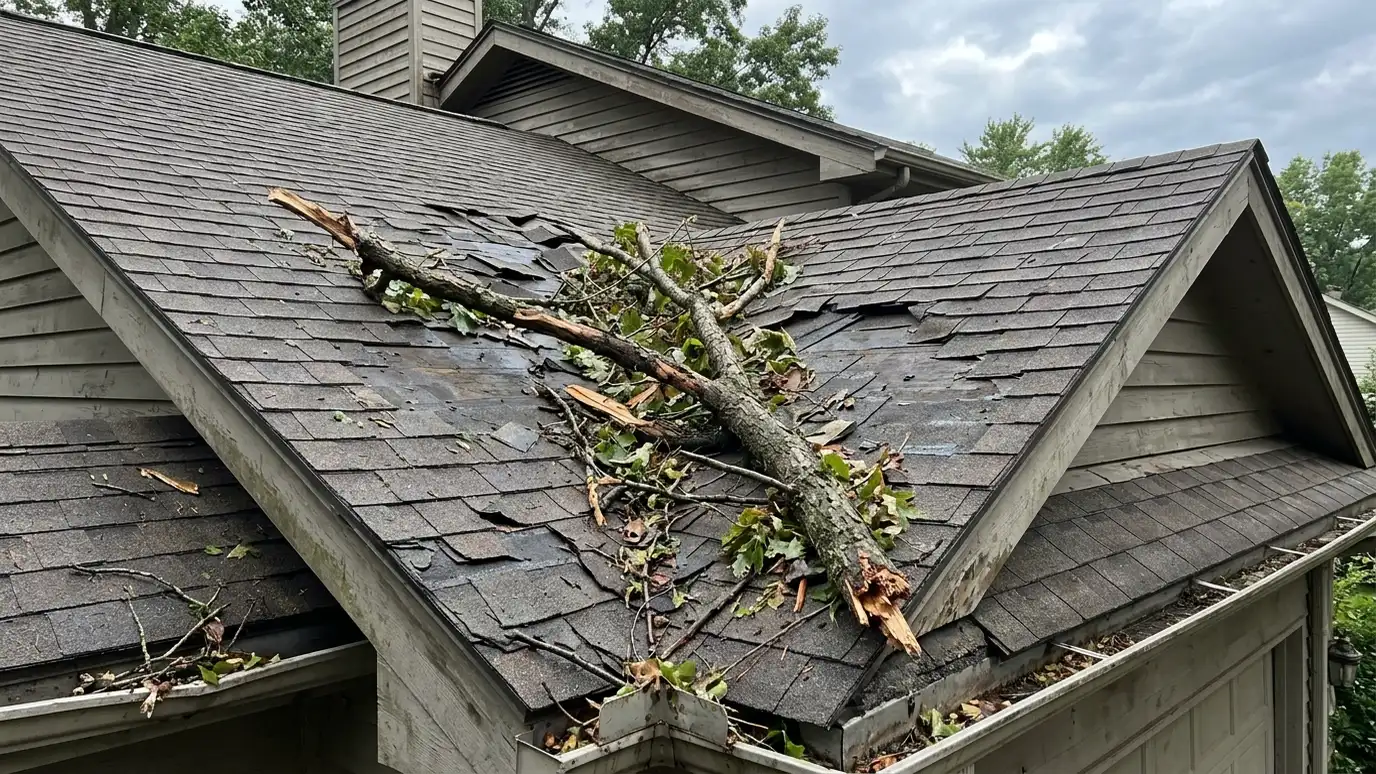
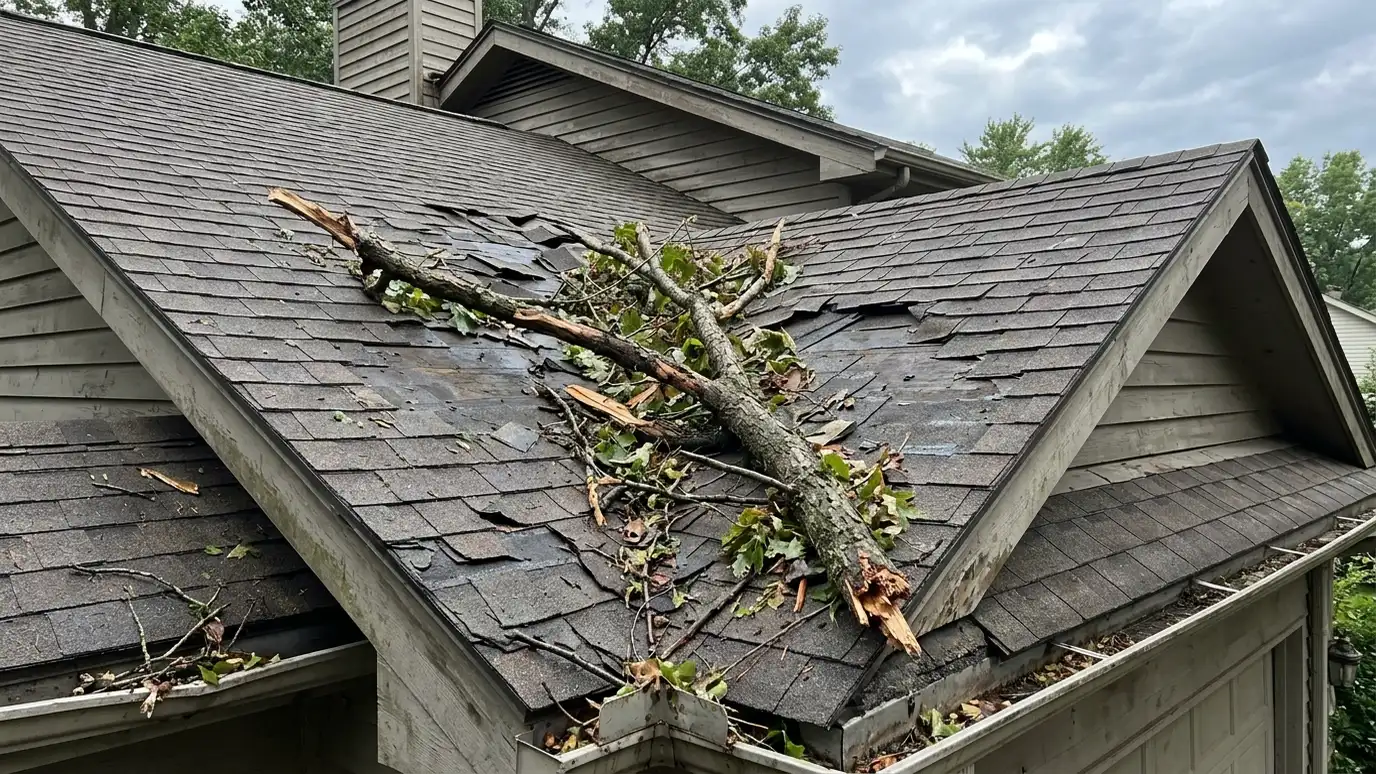
Stay off damaged roofs and away from downed power lines. If anyone is in danger, call emergency services.
Look for hazards such as hanging limbs and water near electrical fixtures.
Property can be repaired, so put people first.
Keep a flashlight, a phone charger and a list of emergency numbers where you can find them in the dark. Preparation makes storms less stressful and helps you act quickly.
Document what you see
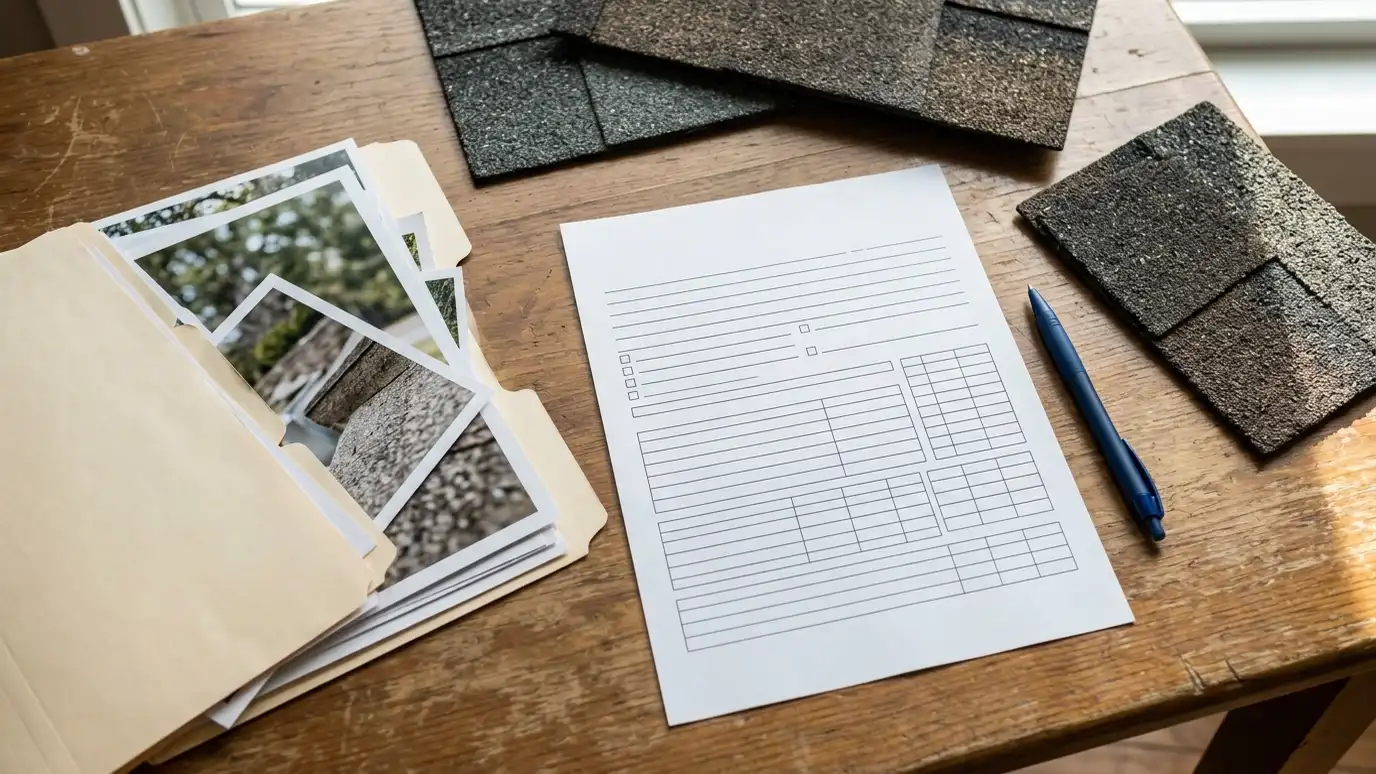
Take dated photos of the roof, gutters, siding, windows, vehicles and yard from the ground. Note the date and time of the storm.
Keep damaged items until your insurer says otherwise.
Photos help you and any professional who inspects.
Walk around the house after the storm and take wide and close-up photos. Include dated shots of the yard, fences and neighboring trees. Context makes damage easier to understand.
Protect the home
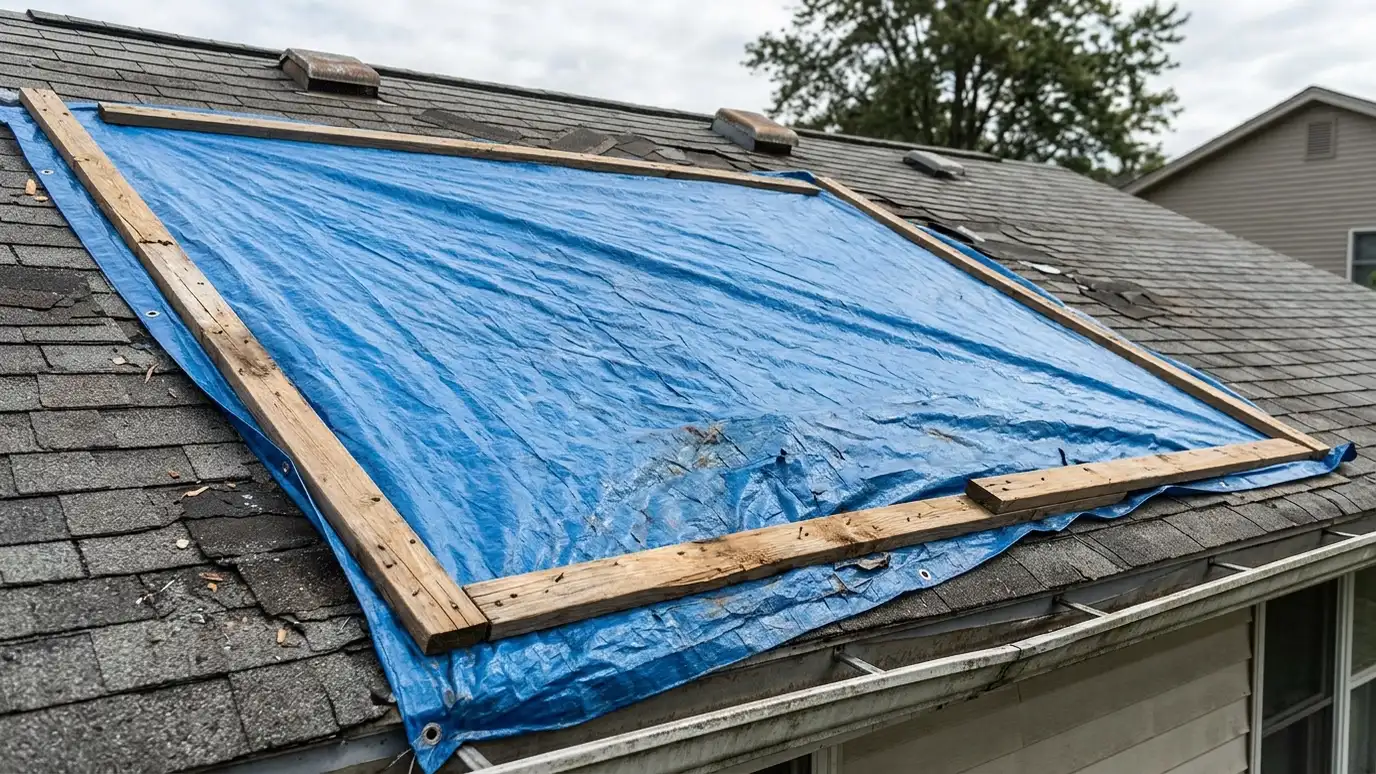
Cover openings with tarps if you can do so safely, or call a roofer for emergency tarping. Move belongings away from leaks.
Keep receipts for emergency measures.
Temporary protection limits further damage.
If you tarp a leak yourself, stay safe. Never climb a wet or damaged roof. Interior measures such as buckets and plastic over furniture are safer, and professionals can handle the roof.
Get a professional look
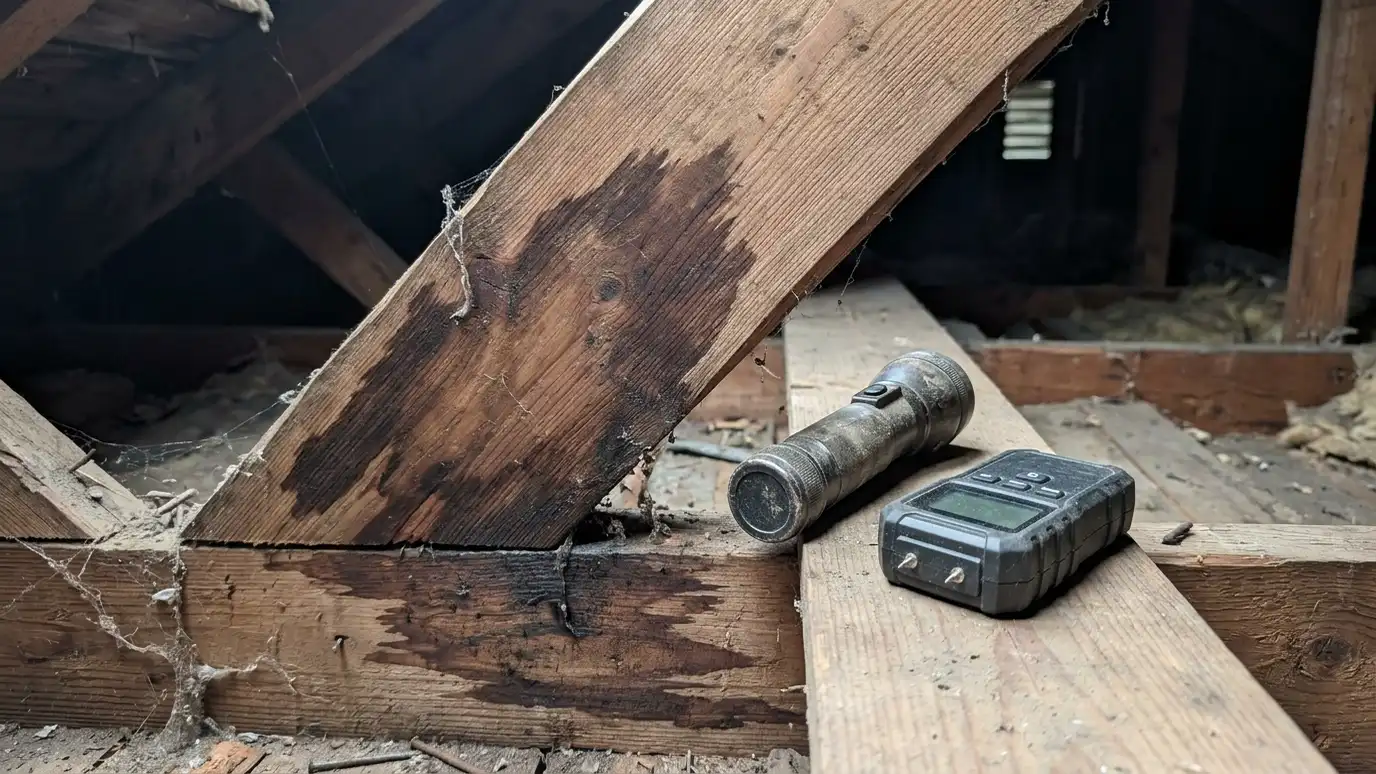
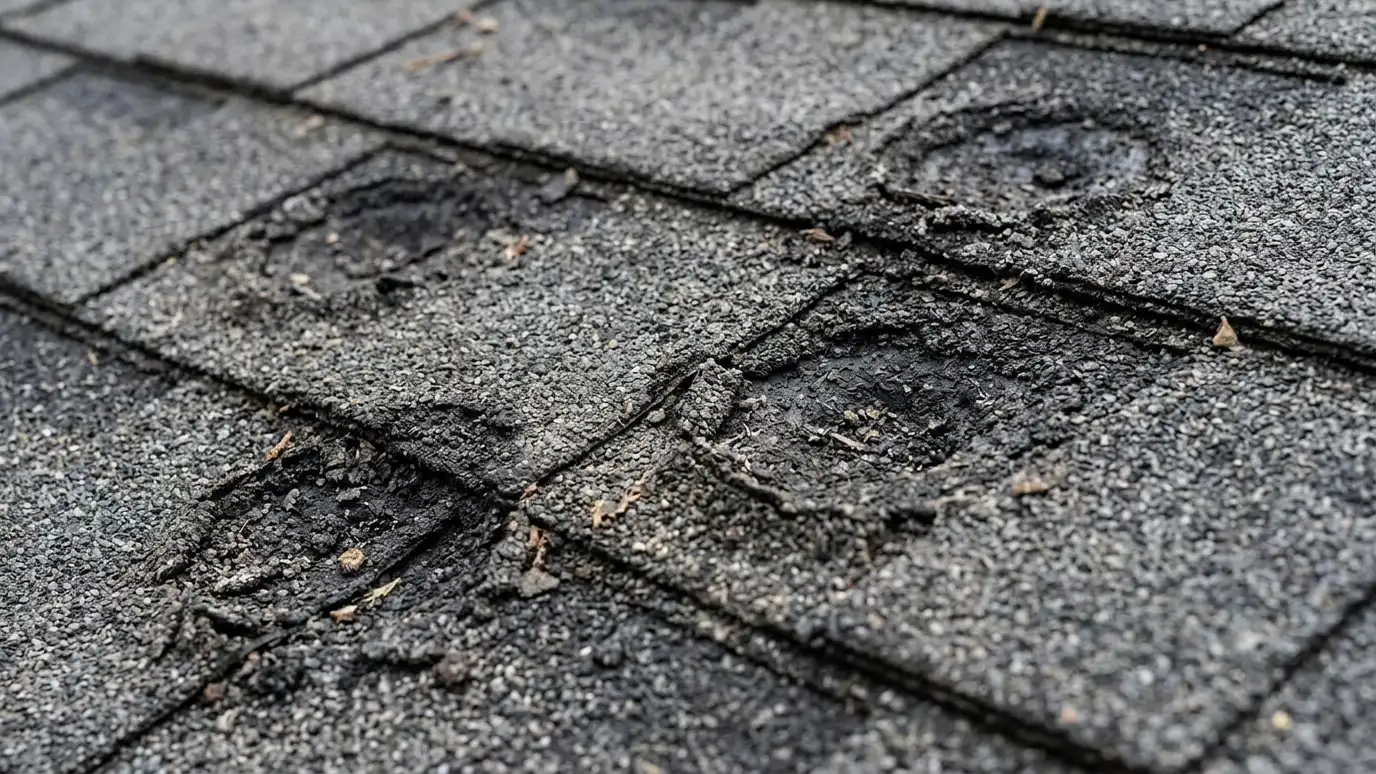
A roofer can inspect for hail bruising, creased shingles, lifted flashing and hidden damage. Ask for photos and a written scope.
Get more than one opinion if you are unsure.
Be cautious of door-to-door pressure after storms.
Ask each contractor for a written scope and photos. Compare what each one found and what each recommends. Differences deserve questions, not assumptions.
Insurance basics
Your insurance policy decides coverage. Read it, ask your agent about deductibles and file promptly if you choose to claim.
A contractor can provide documentation but should not promise claim results or waive deductibles.
Keep a folder of all records.
Read your policy for hail and wind deductibles and for any time limits on claims. Your agent can explain the terms, and keeping notes of every conversation helps later.
Permanent repairs
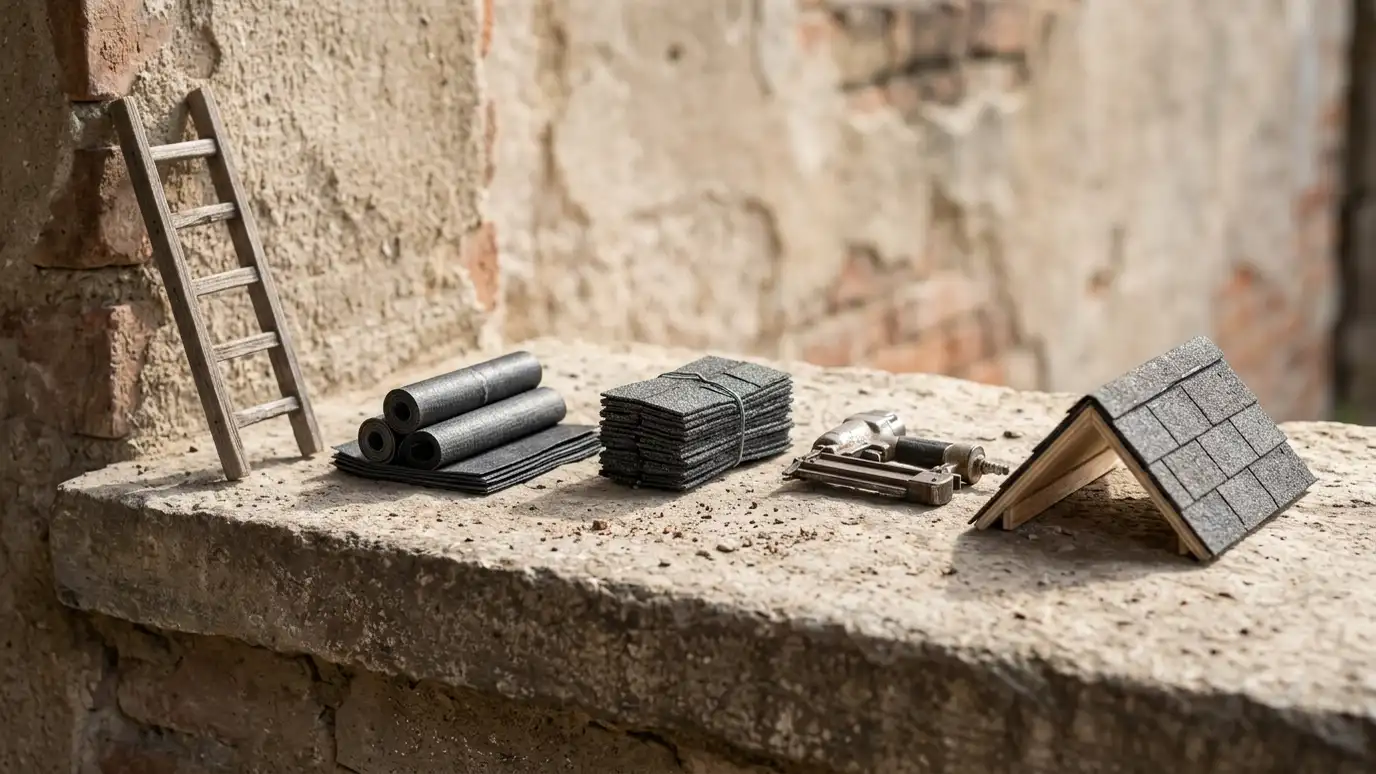
Once the weather clears, repairs or replacement restore the roof. Ask about materials, ratings and options that improve resilience.
Schedule a final inspection and keep records.
Consider annual maintenance afterward.
After repairs, ask about options that improve resilience, such as stronger shingles, better underlayment and improved nailing. Small upgrades can help the next storm go better.
Stay safe, document everything, protect the home from more water and take your time choosing a contractor.