How roofs affect heat
Roofs absorb sun and pass heat into the attic. Color, material and ventilation change how much.
Insulation limits how much reaches living space.
Results depend on the whole system.
Look at your attic insulation depth and at air leaks around lights, pipes and the attic hatch. Sealing gaps is often the best first step.
Cool roofs
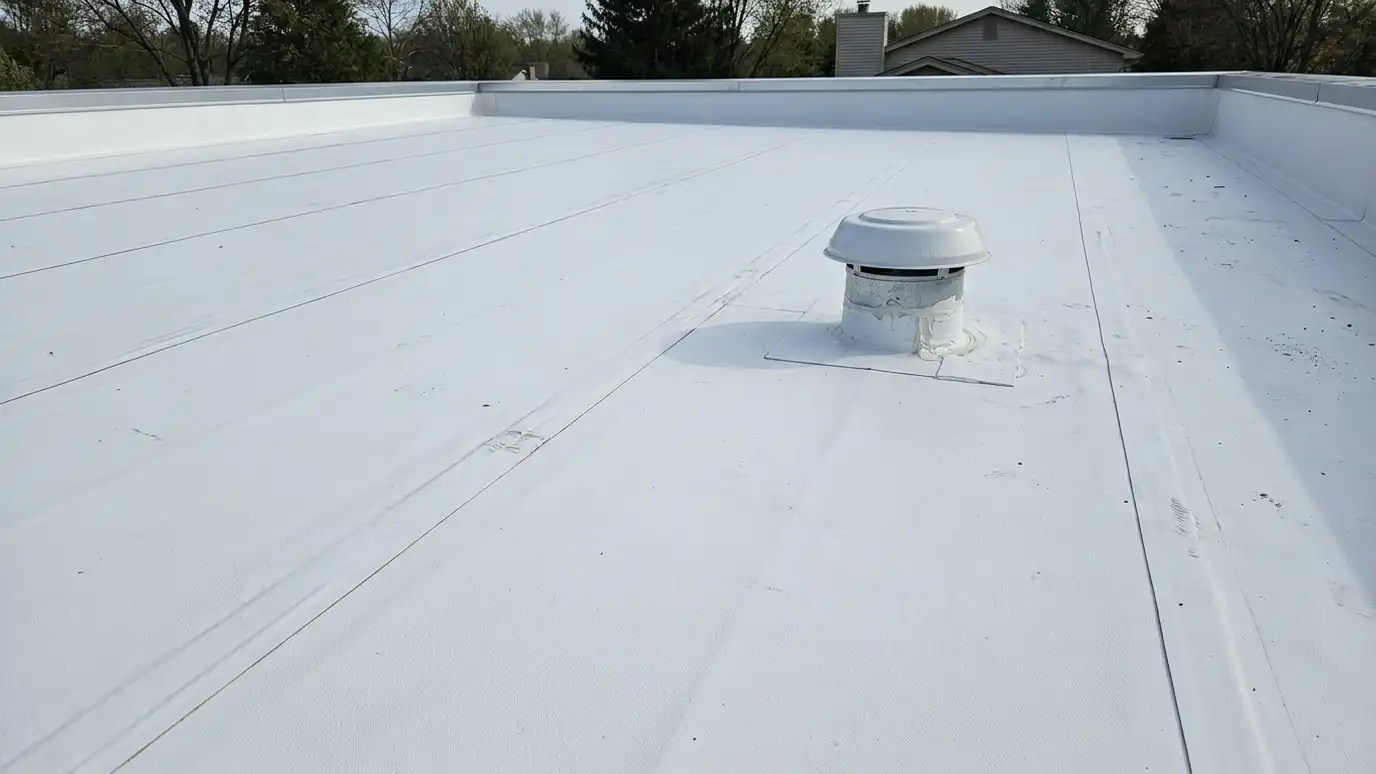
Reflective surfaces absorb less sunlight. They are most common on low-slope commercial roofs and can also be used on some homes.
Ratings describe reflectance and emittance.
Check programs and product details.
Think about roof color in context. A lighter roof can reflect more sun, and neighborhood rules and style also matter.
Reflective coatings
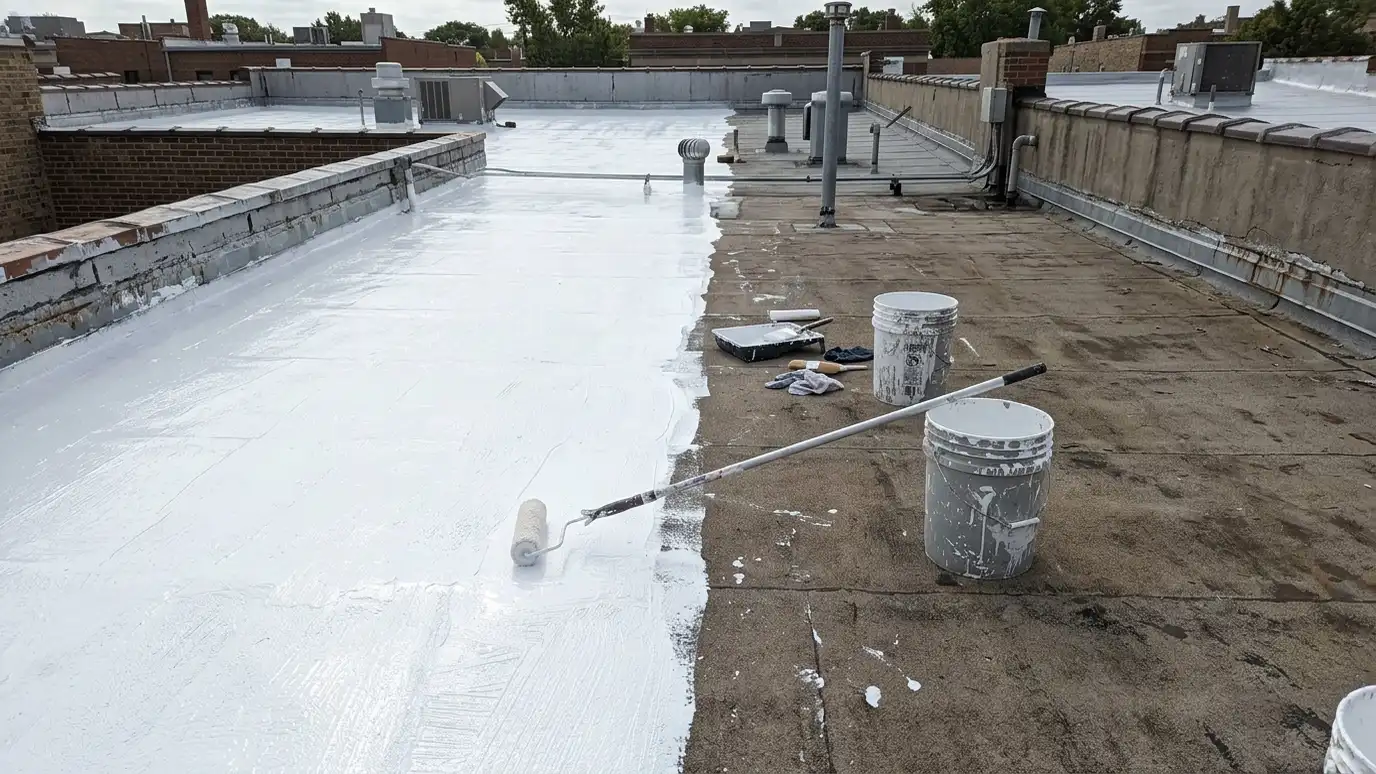
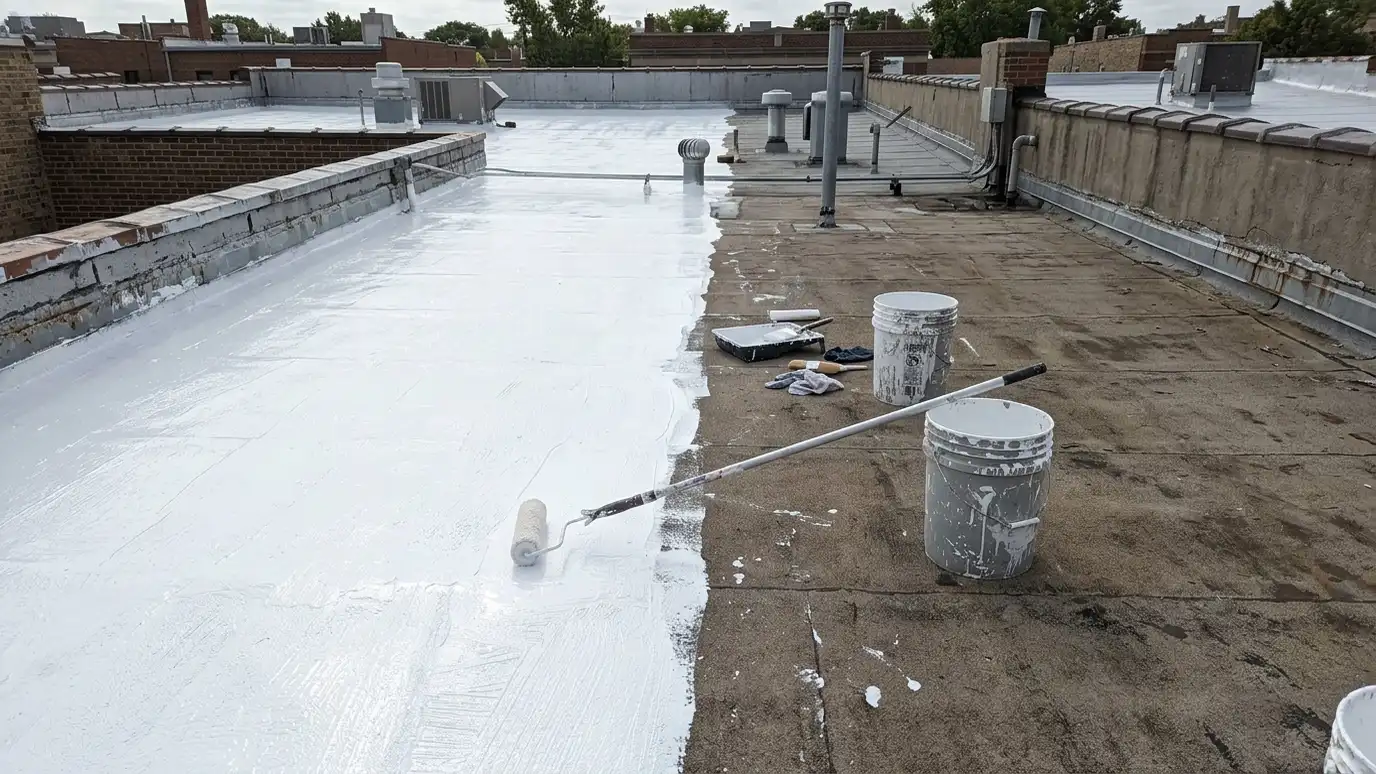
Light coatings can extend life and reduce roof temperatures on sound roofs.
Preparation and thickness matter.
Not every roof qualifies.
If you have a flat or low-slope roof, ask about reflective membranes and coatings. They are most effective on such roofs.
Insulation and air sealing
Attic insulation and sealing gaps often matter as much as roof color.
Ventilation helps manage moisture.
A whole-house view works best.
Ask for product data on solar reflectance and emittance when comparing options. Numbers help you compare fairly.
Material choices
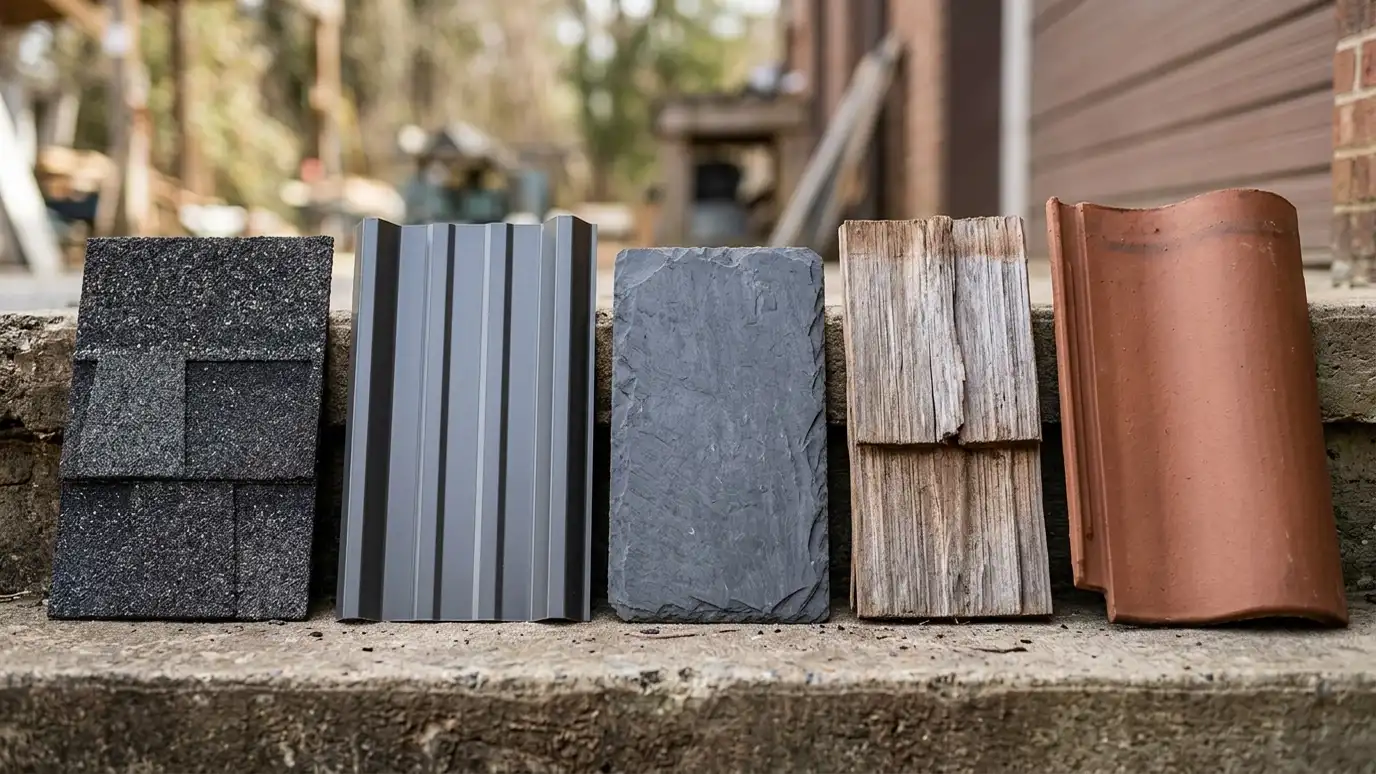
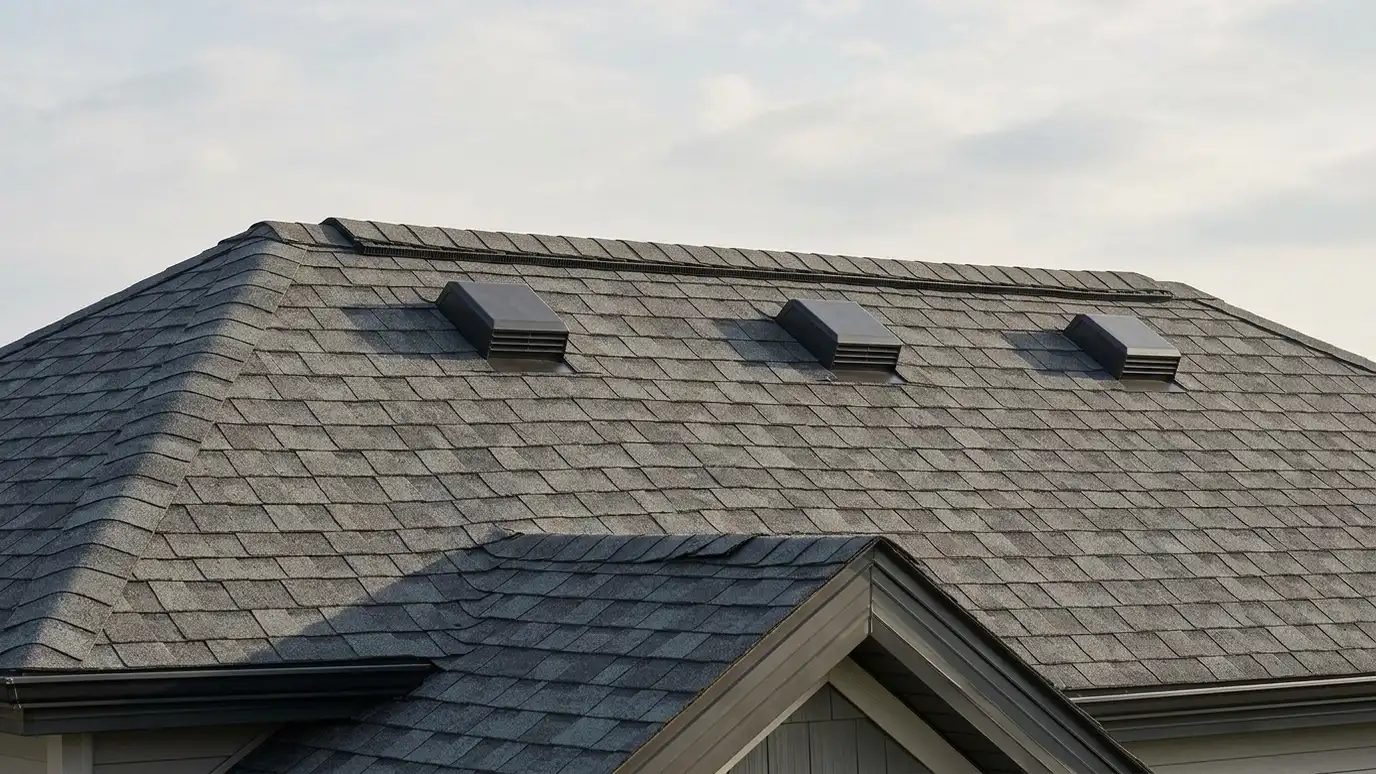
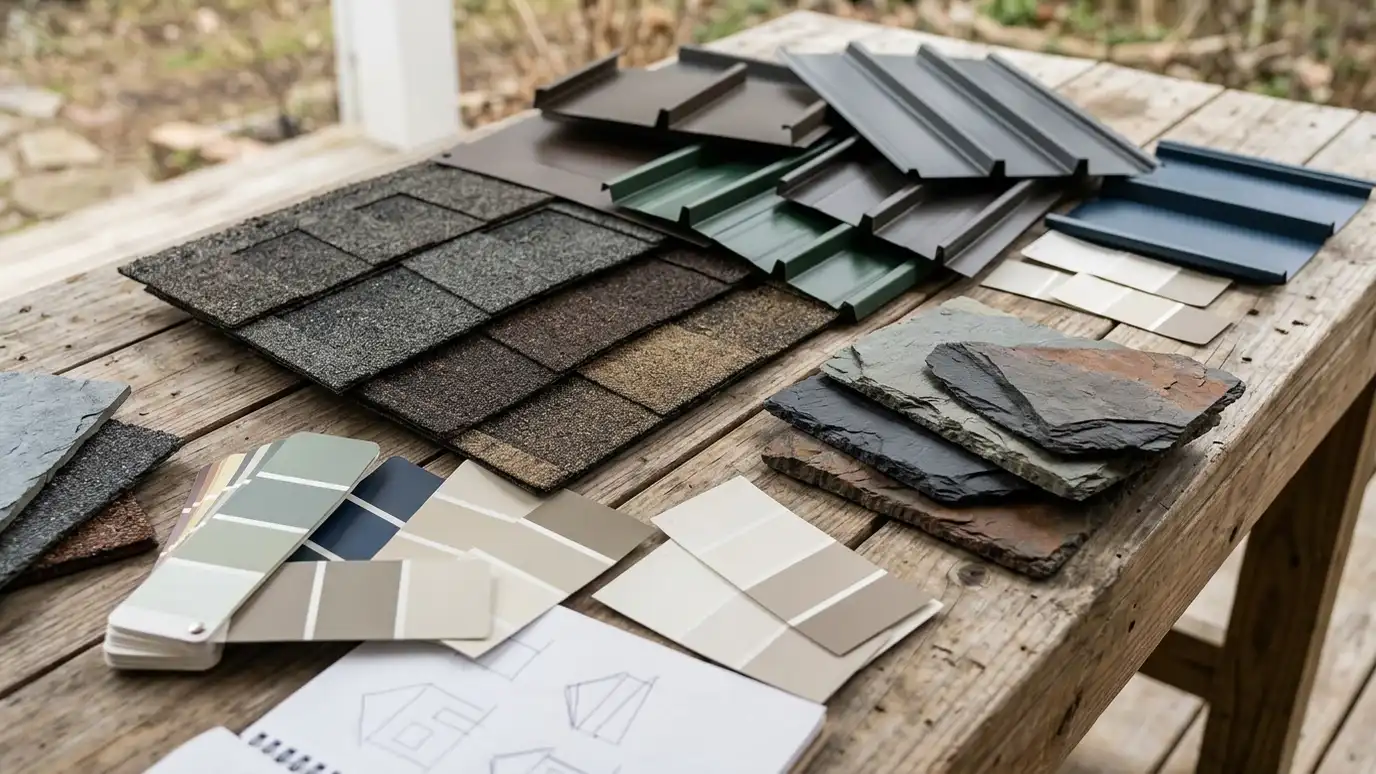
Light-colored shingles, metal with reflective finishes and membranes can help. Dark roofs absorb more heat.
Style and neighborhood rules matter too.
Ask for product data.
Remember that comfort depends on shade, windows and ductwork too. The roof is one part of the picture.
Realistic expectations
Savings vary by home, insulation and habits. Roofing alone rarely changes bills dramatically.
Comfort improvements can be noticeable.
We avoid overpromising.
Be skeptical of promises of dramatic savings. Honest contractors explain what a roof can and cannot change.
Treat the roof, insulation and ventilation as one system and expect realistic, not magical, savings.